Egyptian Epagomenal Days — Five Days Outside the 360-Day Year
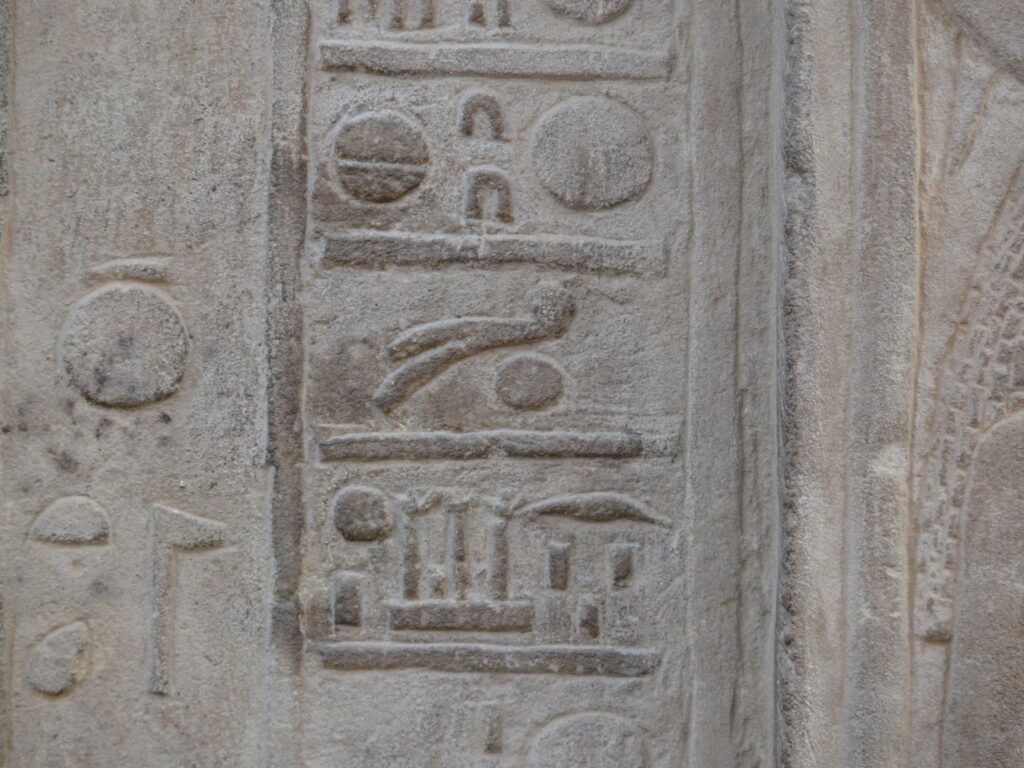
In Geomytha, the five epagomenal days stand outside the ordered twelve-by-thirty wheel as sacred remainder. The closed count cannot contain the whole year, and the excess becomes a threshold rather than a defect. In the symbolic reading, life and renewal enter precisely where the formal system fails to close upon itself.
Historically, the five epagomenal days complete the ancient Egyptian civil year and later acquire divine-birth associations. Geomytha treats their position outside the twelve regular months as an interpretive image of remainder, not as a claim about the calendar's original metaphysical intention.
Ancient Egyptian civil calendar
Met, Telling Time in Ancient Egypt; UCL Digital Egypt festival dates.
Documented facts and Geomytha interpretation are kept separate; the symbolic mapping is interpretive rather than a claim of creator intent.
The five added days complete a 365-day civil year and do not correct every long-term seasonal drift. Plutarch's birth ordering is a later narrative witness. Do not turn five names into a universally attested Egyptian sequence without version-specific evidence.