Island — Aldous Huxley
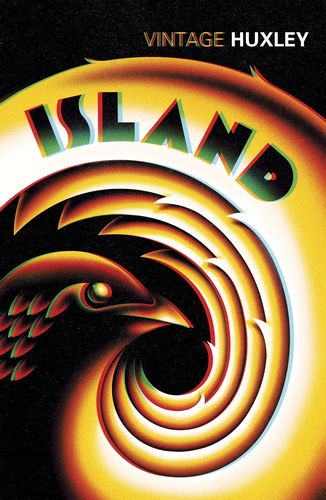
GEOMYTHA reads Island as a test of whether a practice returns a person to lived contact or becomes a completed story about being enlightened. Pala must remain a serious counterexample to the World State, not be forced into the same diagnosis because it has institutions and uses a psychoactive substance. The useful comparison is between attention that can meet suffering and an identity that claims suffering has been abolished.
The publisher frames the source novel as a utopian counterpoint to Brave New World. Regazzi’s scholarly abstract treats it as a practical method for imagining alternatives. GEOMYTHA adds a conditional question about spiritual identity; it does not turn those accounts into evidence that Huxley secretly wrote another dystopia.
Aldous Huxley, Island (1962)
Island, ch.1 and 14–15; checked digital text at Huxley Archive. Current Vintage Classics publisher framing checked. Regazzi (2024): metadata and abstract reviewed, not a complete new article reading.
GEOMYTHA’s comparison is distinct from source facts, attributed scholarship and creator intent. External conquest is not proof that Pala’s compassion is false. The final chapter distinguishes repeated advice from understanding, while its violence prevents a claim of guaranteed social salvation. Fictional moksha-medicine is not the same narrative device as soma, and neither novel supplies medical advice.
External conquest is not proof that Pala’s compassion is false. The final chapter distinguishes repeated advice from understanding, while its violence prevents a claim of guaranteed social salvation. Fictional moksha-medicine is not the same narrative device as soma, and neither novel supplies medical advice.
Original story: Huxley’s Island (1962), not a documentary about a real island. Targeted chapter checks use later digital texts, not an authenticated first-edition facsimile or oldest surviving manuscript. No full fresh reread or exhaustive scholarly survey claimed. Island, ch.1 and 14–15; checked digital text at Huxley Archive. Current Vintage Classics publisher framing checked. Regazzi (2024): metadata and abstract reviewed, not a complete new article reading.