GEOMYTHAAll stories are the same story
Index Record

Lower Egypt

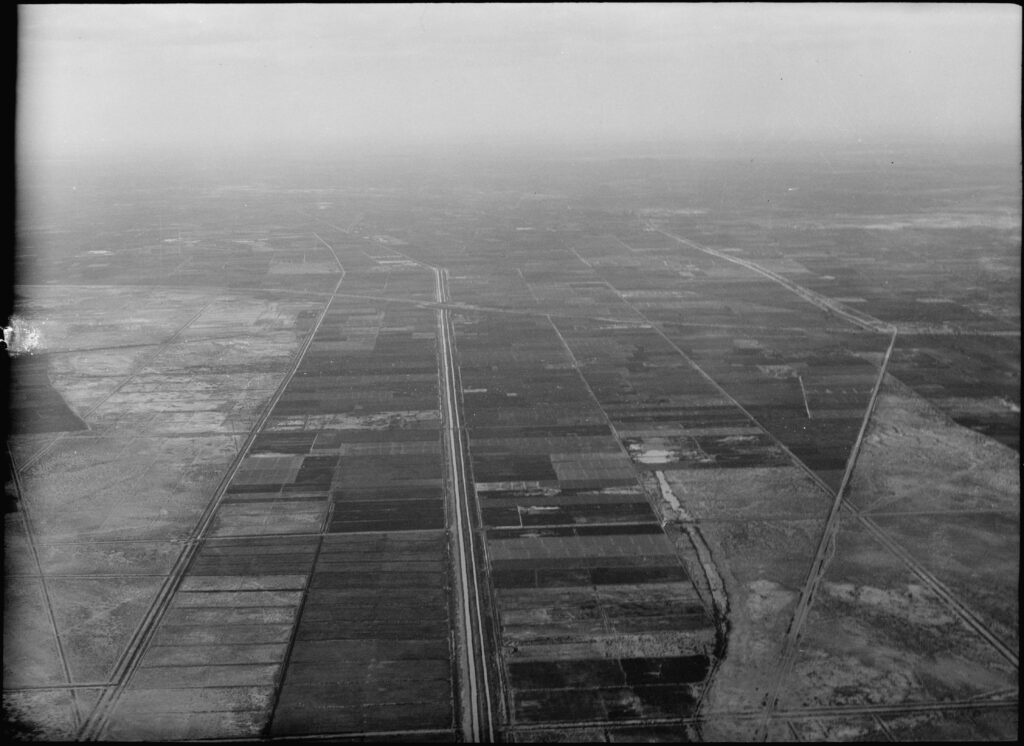
Aerial photograph showing the Nile Delta's mosaic of cultivated fields and water canals.
Nile Delta: fields and water canals; LOC matpc.15921 · Matson Collection · ca. 1932 · Library of Congress, G. Eric and Edith Matson Photograph Collection · No known restrictions; Commons marks public domain ↗
Historic aerial photograph, not an ancient map. Distinct from the Nile/desert boundary photograph used for Kemet/Deshret.
Conventional Reading
Lower Egypt is the northern, downstream region associated with the Nile Delta, where the river branches toward the Mediterranean. The Red Crown is its conventional royal emblem. Lower describes position along the river, not cultural inferiority or lower altitude in an esoteric hierarchy. Its agricultural landscape belongs to the fertile land/desert distinction without being identical to that distinction.
Geomytha Reading

GEOMYTHA reads Lower Egypt as one differentiated domain within the Two Lands. The Red Crown gives the part a visible designation, while the Double Crown presents a larger unity. This is a comparison about how names organize a whole, not a claim that the Delta naturally embodies Set, I or separation. The selected aerial photograph helps keep the reading concrete: the region is a landscape of fields, canals and communities before it is an emblem. An interpretation should return attention to those relations rather than allow a royal symbol to stand in for everyone who lived there.

Why the Difference Matters

The conventional reading identifies a downstream geographic region and its regalia. The GEOMYTHA reading asks how a named part is gathered into an identity. The comparison must preserve the difference between people and the emblem that claims to represent them.

Parent work / tradition / source

Ancient Egyptian geography, Nile agriculture and royal/religious traditions

Source location / reference

Harvard Digital Giza FAQ; UCL Kingship, Red Crown; Narmer Palette; Matson Collection, LOC matpc.15921.

Reading Boundary

Lower Egypt is northern/downstream. Red Crown association does not mean that all early Red Crown evidence originated in the Delta. Modern fields and canals cannot reconstruct all ancient river channels. No moral or racial hierarchy follows from the name.

Archetype stress test

Claim tested: a regional sign helps a larger identity represent differentiated territory. Support: separate and combined crowns. Counterexample: UCL notes an early Red Crown motif from southern Naqada, so symbolic association cannot be used as a simple origin map. The aerial photograph shows a network, not a single undifferentiated mass. Result: retain the named-part comparison, reject lower/inferior and red/evil shortcuts.

Original story and earliest witnesses

Original story and earliest witnesses: Lower Egypt has no single original literary narrative. Early royal evidence consulted includes Narmer's palette and its separate Red Crown depiction. UCL's regalia overview distinguishes earlier attestations from later regional convention. The Matson aerial photograph, ca. 1932, illustrates the Delta's cultivated landscape and canal network; it is not evidence of ancient administrative borders. Harvard Digital Giza supplies modern geographic context. No earliest lexical attestation or exhaustive history of Delta settlement is claimed.

Source trail

Evidence beneath the record

Harvard Digital Giza — Geography and Nile River
Authority limited to the specified text, geographic fact, edition metadata or historic image. GEOMYTHA's comparative reading is editorial and requires its own supporting scene and counterexamples.
Digital Giza, FAQ, Egyptian Geography/Nile River and Royal attire
UCL Digital Egypt — Kingship and Royal Regalia
Supports the specified artifact, historical context or scholarly description; not evidence that ancient Egyptians encoded modern English pronouns. Targeted source consultation, not an exhaustive literature survey.
University College London, Kingship in Ancient Egypt; 2002
Narmer Palette — Egyptian Museum, Cairo
Supports the specified artifact, historical context or scholarly description; not evidence that ancient Egyptians encoded modern English pronouns. Targeted source consultation, not an exhaustive literature survey.
The Egyptian Museum, Cairo; Early Dynastic Period, Narmer, ca. 3100 BCE
Nile Delta Fields and Canals — Matson Collection
Authority limited to the specified text, geographic fact, edition metadata or historic image. GEOMYTHA's comparative reading is editorial and requires its own supporting scene and counterexamples.
Library of Congress, matpc.15921, ca. 1932; Commons copy