Pala — Island
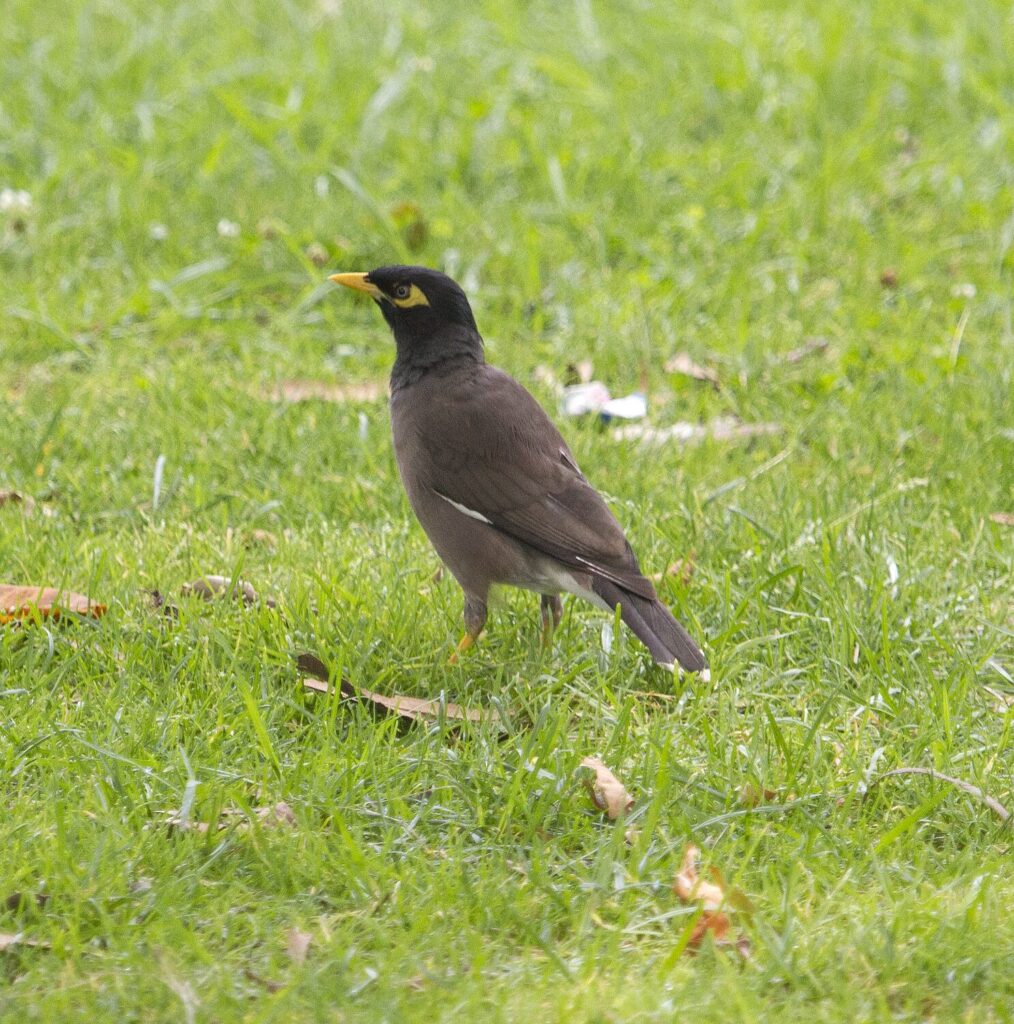
GEOMYTHA reads Pala as a test case for the difference between a living practice and an identity built around that practice. The birds offer a concrete limit: correct words can be repeated without being understood. That does not prove that the human practitioners are merely parroting. The comparison becomes valid only where an actual action replaces attention with a rehearsed claim to wisdom.
The conventional source society is a utopian experiment, not automatically a spiritual prison. GEOMYTHA’s comparison asks what a practice does in a given moment. A reminder that supports attention and a slogan that blocks questioning may look similar, but they need not perform the same function.
Aldous Huxley, Island (1962)
Island, ch.1 (opening bird motif) and ch.15 (repetition, understanding and final intervention). Regazzi (2024), abstract-level scholarly counterpoint. Museum image credit is independent of the fictional source.
GEOMYTHA’s comparison is distinct from source facts, attributed scholarship and creator intent. Pala’s ability to respond to grief and the possibility of practical reform challenge any blanket false-utopia label. Its defeat by force is a political event, not a test that disproves inner insight. The real myna photograph is an illustrative companion only; it neither locates Pala nor establishes the exact species imagined by Huxley.
Pala’s ability to respond to grief and the possibility of practical reform challenge any blanket false-utopia label. Its defeat by force is a political event, not a test that disproves inner insight. The real myna photograph is an illustrative companion only; it neither locates Pala nor establishes the exact species imagined by Huxley.
Original story: Huxley’s Island (1962), not a documentary about a real island. Targeted chapter checks use later digital texts, not an authenticated first-edition facsimile or oldest surviving manuscript. No full fresh reread or exhaustive scholarly survey claimed. Island, ch.1 (opening bird motif) and ch.15 (repetition, understanding and final intervention). Regazzi (2024), abstract-level scholarly counterpoint. Museum image credit is independent of the fictional source.