Strawberry Field — Liverpool
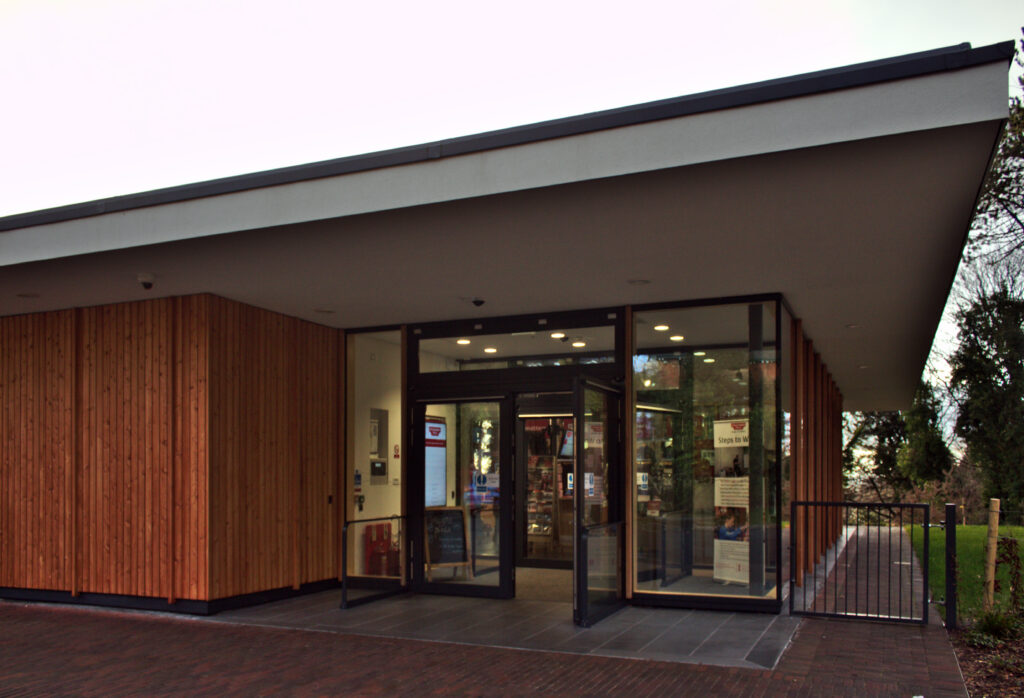
No standalone symbolic claim is made about the actual site or the children who lived there. GEOMYTHA keeps the historical place separate from the song and from the project's later Star Field association. The relevant interpretive question is how a remembered location can acquire meanings beyond a map reference without ceasing to be a real place.
Such an association can help discuss memory and orientation, but it does not establish an astronomical origin for the name, a hidden property of the grounds or an esoteric explanation of the institution. The conventional history remains a check on the reading rather than an obstacle to be removed.
The source records a particular Liverpool site and its cultural association. GEOMYTHA explores the distinction between a documented place and a remembered or imagined field. Star Field is a later reader's resonance, not established etymology or evidence of the site's historic purpose.
Strawberry Field, Woolton, Liverpool · historical place context
Strawberry Field / Salvation Army About us: historical significance, Lennon connection and original-building questions. Phil Nash / Rodhullandemu photograph, 7 January 2020, Wikimedia Commons.
Strawberry Field is the singular place-name; Strawberry Fields Forever is the song title. The modern entrance is not the original children's-home building. Do not conflate a 2020 photograph with Lennon's childhood, or infer residents' experiences from an artistic interpretation.
If a reading requires the photographed modern building to have existed during Lennon's childhood, it fails. The ordinary historical account already explains the song's place reference; resemblance between words cannot replace it. No archetype is imposed on the residents or the physical site.
The site's current institutional account is the source used for its earlier children's-home history and the demolition of the original building. Phil Nash's 2020 photograph documents a later entrance. These different dates and evidence types are kept separate; the earliest surviving institutional files or eyewitness accounts have not been established here.