Scarecrow — The Wizard of Oz
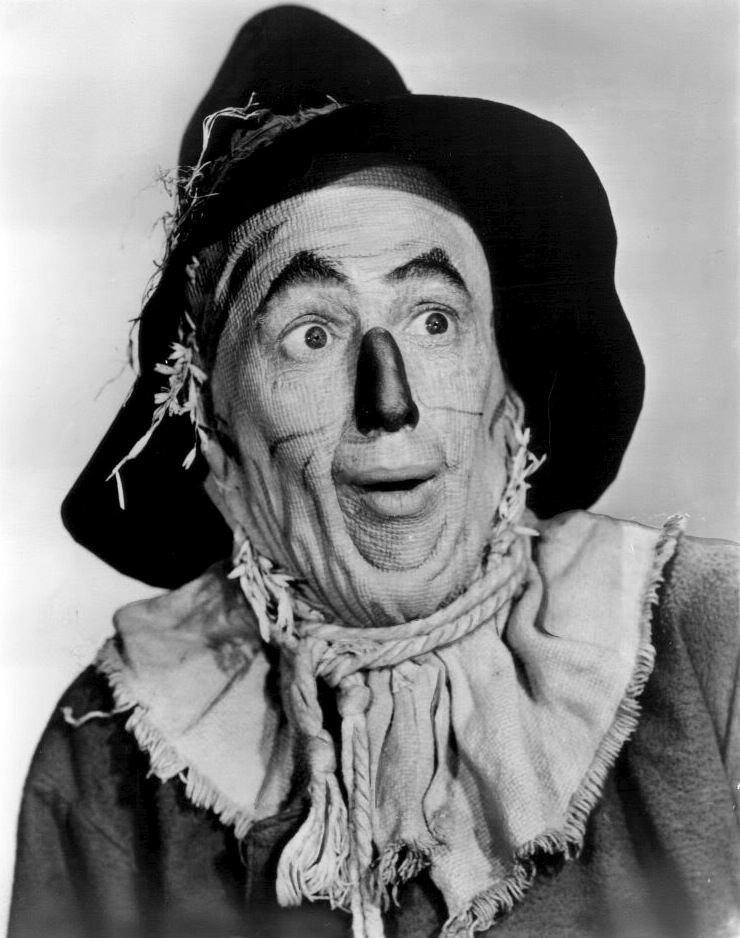
In Geomytha, the Scarecrow shows how a description becomes identity. He repeatedly reasons, improvises, and solves problems while maintaining the claim that he has no brain. The mechanism is I attaching itself to deficiency — I am brainless — so evidence is forced to orbit the identity rather than revise it. Recognition breaks the spell when lived intelligence becomes more authoritative than the label.
Conventionally, the Scarecrow believes he needs a brain. Geomytha focuses on the contradiction between the claimed deficiency and the intelligence already visible in his conduct: the lack becomes identity before evidence can revise it.
Metro-Goldwyn-Mayer, The Wizard of Oz (1939); Scarecrow from L. Frank Baum’s Oz material
Library of Congress film and first-edition Oz records; Ray Bolger publicity photograph associated with the 1939 film role.
This is a scene-based GEOMYTHA comparison, not an authorial intention or psychological diagnosis. Keep Baum's 1900 book and MGM's 1939 adaptation distinct. A character can change function across scenes, and practical needs do not automatically become false identity.
The Scarecrow displays resourcefulness before receiving the Wizard's credential. Yet learning and assistance still matter; prior ability does not make education unnecessary. The deficiency-as-identity reading requires his label to outweigh the evidence of his actual reasoning.
Baum's The Wonderful Wizard of Oz appeared in 1900; the linked Library of Congress first-edition record is the earliest published book witness used here. MGM's 1939 film is a separate adaptation. Silver shoes belong to the book, ruby slippers to the film; the film's dream framing cannot silently determine the novel's meaning. Character actions and scene references must identify which version is being compared.