Wizard of Oz — The Wizard
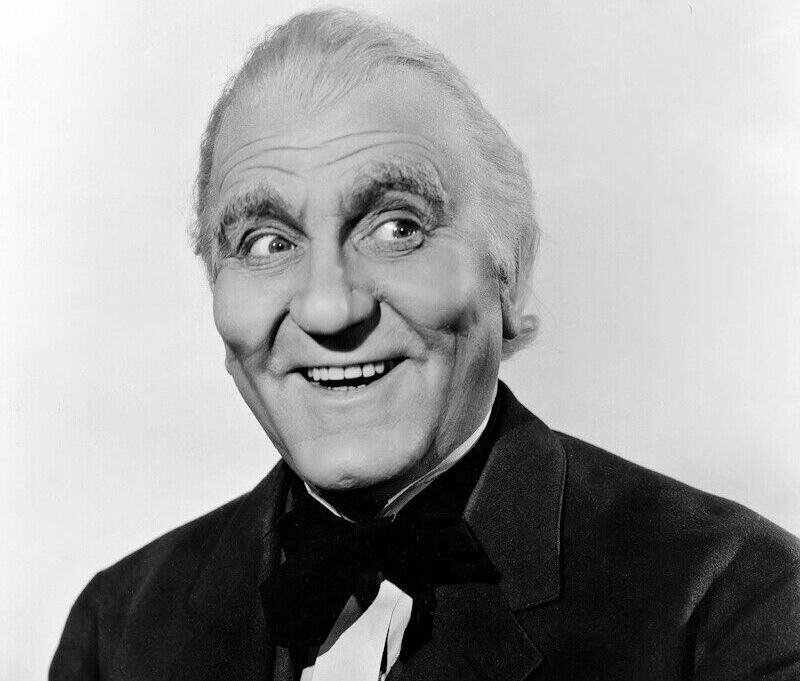
In Geomytha, the Wizard is projection mistaken for source. Image, machinery, ceremony, distance, and fear enlarge an ordinary man into a sovereign center capable of granting what others think they lack. The curtain is the decisive break: once the mechanism of projection becomes visible, the image can no longer monopolize reality. Authority collapses not because a stronger ruler appears, but because appearance is returned to its source.
Conventionally, the Wizard is exposed as an ordinary man behind extraordinary effects. Geomytha treats the curtain as the break between projection and source: authority loses force when the image can no longer monopolize what is seen.
Metro-Goldwyn-Mayer, The Wizard of Oz (1939); the Wizard from L. Frank Baum’s Oz material
Library of Congress film and first-edition Oz records; MGM publicity photograph of Frank Morgan as the Wizard.
This is a scene-based GEOMYTHA comparison, not an authorial intention or psychological diagnosis. Keep Baum's 1900 book and MGM's 1939 adaptation distinct. A character can change function across scenes, and practical needs do not automatically become false identity.
The Wizard's effects inflate authority, but the ordinary man can also help and recognize capacities. Exposure need not make every act worthless. Test the concealed machinery and its demand for obedience rather than equating all offices with fraud.
Baum's The Wonderful Wizard of Oz appeared in 1900; the linked Library of Congress first-edition record is the earliest published book witness used here. MGM's 1939 film is a separate adaptation. Silver shoes belong to the book, ruby slippers to the film; the film's dream framing cannot silently determine the novel's meaning. Character actions and scene references must identify which version is being compared.