GEOMYTHAAll stories are the same story

All stories are the same story.

Look closely at a myth, a film, or an ordinary day. The names change. The same questions return. What do we see? What do we claim? What do we become?

Start with the story. Follow the pattern. Keep facts and interpretations apart.

FREE · DAILY · TWO MINUTES

See your day differently.

A sourced artwork. The Moon and Sun. A GEOMYTHA reading you can carry into your day.

GEOMYTHA
DAILY ATTUNEMENT
SYMBOLIC SAMPLE · NO DATE ASSIGNED
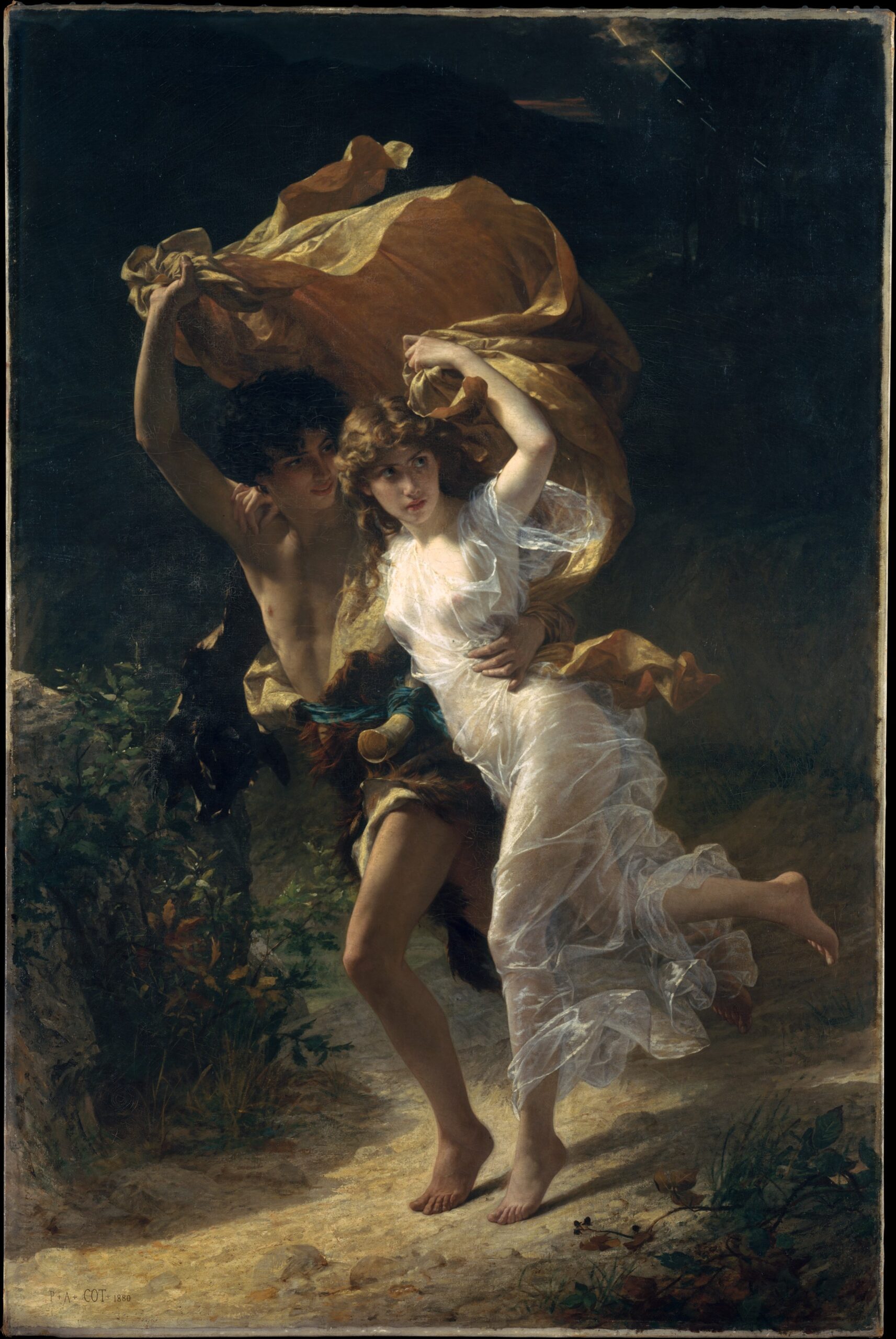
Pierre-Auguste Cot, The Storm, 1880: two young people run together under a billowing cloth.
Pierre-Auguste Cot, The Storm, 1880 · The Metropolitan Museum of Art · Artwork source ↗ · Past Daily Attunements ↗
🌒LUNARWaxing CrescentStir · Hope
♋SOLARCancerFeel
GEOMYTHAAMReflection · Osiris

What Holds in the Storm

Look at the cloth first. Two young people run together under a dark sky. They lift a piece of fabric over their heads as the wind catches it. Their feet keep moving.

The cloth cannot stop the weather. But for a moment, it creates a place they can share. Their shelter exists because they hold it together.

GEOMYTHA reads the storm as Set—the interruption that breaks the feeling of safety. The shared cloth gives us AM, the Osiris function of reflection and relation. There are two people here, not one. They can meet without either becoming the other’s property.

Waxing Crescent · Stir points to the first movement of hope under pressure. Cancer · Feel asks what care can hold when the world turns uncertain. The bond is real, even though the shelter may not last.

There is a limit to this reading. Protection can become control. If one person uses the shelter to decide where the other must go, the same cloth can become a trap. The difference is whether both people remain free to move.

Today, notice the space between offering shelter and trying to own the outcome. Hope does not require you to command the storm.

Reading note. This is a GEOMYTHA interpretation, not a claim about Cot’s intent. Lunar and solar signs are illustrative, not tied to a date.

ONE PRACTICAL RETURN

Offer one useful act of support. Leave the other person room to choose.

A QUESTION TO CARRY

Am I making room for a bond—or trying to claim it?
The proposition

Stories change clothes. Structures recur.

Geomytha does not depend on the claim that different cultures, filmmakers, mystics, or artists consciously encoded one secret doctrine. The comparison is structural.

A mirror in one myth, a simulation in one film, a divine name in one scripture, and a role in ordinary life may perform the same symbolic function without being historically identical. The question is not merely whether two stories look alike. It is what they do.

01 · Encounter

See the thing first.

Begin with the film, image, myth, body, text, or event before turning it into a theory.

02 · Compare

Follow the function.

Ask what moves, reflects, claims, hardens, fractures, returns, or restores relation.

03 · Test

Keep the contrast.

A useful reading has boundaries. Counterexamples reveal where a pattern stops working.

04 · Return

Give the world back.

Interpretation succeeds when it sharpens encounter rather than replacing it.

How to read GEOMYTHA

One story. Two calendar layers. Four movements.

Start with the story. Use the Sun and Moon as calendar themes, then follow the grammar: IS → AM → I → THIS.

The calendar

The Sun gives the seasonal field. The Moon gives the phase and action. These are ways to ask questions, not predictions.

The grammar

Isis · IS, Osiris · AM, Set · I, Horus · THIS: field, reflection, claim, identity. Compare what each figure does, then test the reading against the story.

How to read GEOMYTHA →
EXPLORE GEOMYTHA

Choose where to begin.

Read the essays, explore the books, watch the videos, or look up the sources. Select a card to enter.

Human + machine

The machine is an instrument, not an oracle.

Geomytha is human-led and supported by technology. The machine can search, compare, retrieve, classify, and stress-test. Interpretation remains answerable to the source, the work, and the encounter.

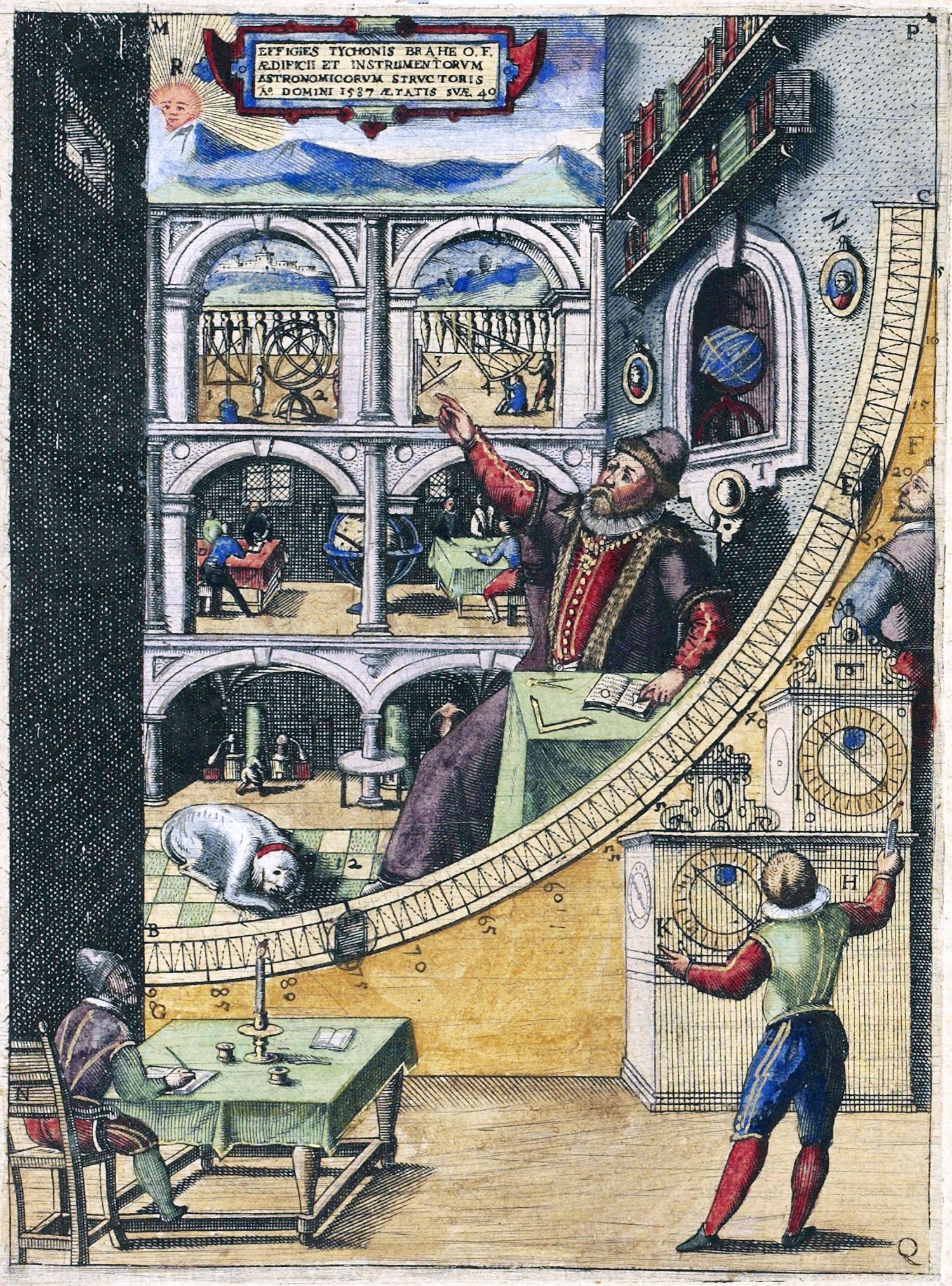
Tycho Brahe and assistants using a large mural quadrant at Uraniborg, with one assistant reading a clock and another recording measurements.
Tycho Brahe’s mural quadrant at Uraniborg, from Astronomiae instauratae mechanica, c. 1598. Unknown engraver. Public domain. Wikimedia Commons ↗
Technology can widen the field. It cannot replace the field.

ESSAYS & NEWSLETTERS

Read on Substack

Selected published essays. Each preview opens the work on GEOMYTHA’s Substack.

All Substack essays ↗

GEOMYTHA NOIR · LONG-FORM

Explore on Patreon

A look at the deeper breakdowns and series in development. These are previews, not claims that the full works have already been released.

Visit GEOMYTHA Noir ↗

VIDEO ESSAYS

Watch on YouTube

Published videos. Select a work to watch it directly on the GEOMYTHA channel.

More on YouTube ↗

The recurring test

Encounter first. Interpretation second.

A Geomytha reading should remain answerable to the thing it is reading. Interpretation becomes useful when it returns attention to the work, image, body, relationship, or world—not when it replaces them.

How to read Geomytha →