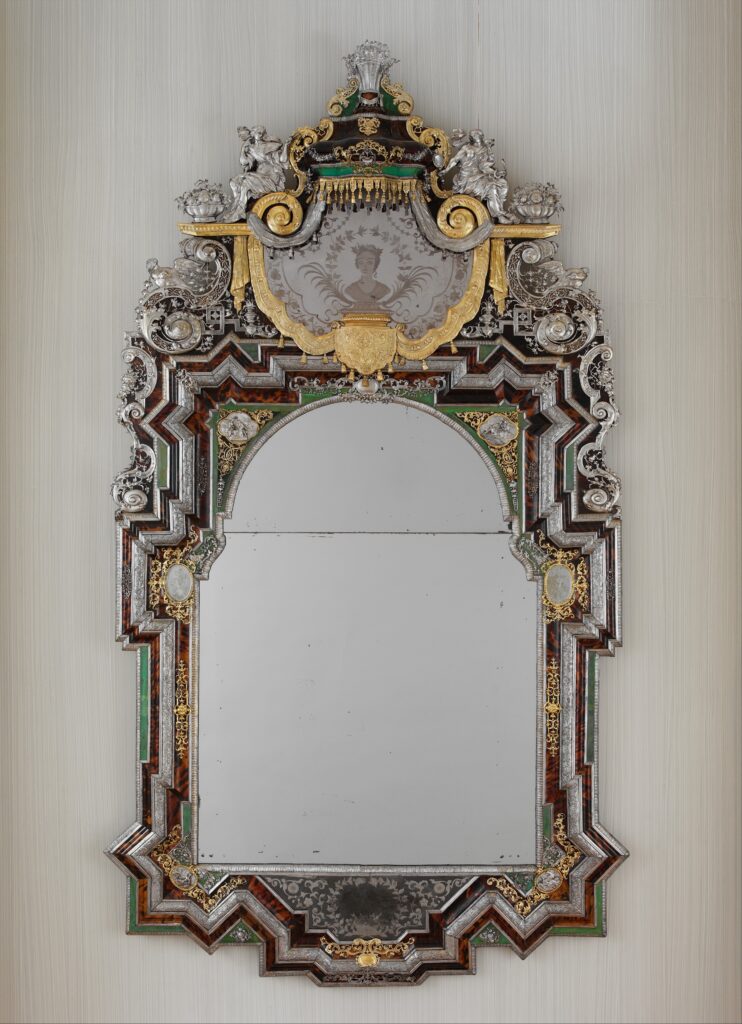
A mirror is useful when it lets the situation answer back.
You can spend an evening thinking about a conversation and still hear only yourself.
You remember what you said. You improve the answer you wish you had given. You imagine the other person finally understanding. By the end, the scene is familiar enough to feel examined. Yet nothing in it has been allowed to surprise you.
That is the difficulty inside the claim that reflection is a panacea. Looking again can open a situation. It can also polish the account that keeps it closed.
What is allowed to change?
Suppose a colleague says your instructions were unclear. You have at least three things to examine: the words you used, the conditions in which they were heard, and what each person reasonably understood. You might discover an omission. You might discover that the instruction was sound but the circumstances changed. You might find a disagreement that needs another conversation.
Reflection becomes useful when those possibilities can remain genuinely available. It becomes a loop when the only acceptable conclusion is that you were right, misunderstood, uniquely guilty, or beyond repair.
Even self-accusation can protect a settled story. Calling yourself hopeless may feel severe, but it can leave the actual mistake unexamined. The practical question is smaller: what happened, what remains uncertain, and what response belongs to you now?
This is not a clinical account of rumination or a promise that careful attention cures distress. Some problems require treatment, resources, protection, or changes in conditions. A clearer description does not make those needs disappear.
The reflection is not the source
GEOMYTHA distinguishes Is, presence before claim, from Am, reflected presence. The distinction matters because an account of an experience is not identical to the experience or the living situation from which it came.
The claimant appears when the account must become mine in a stronger sense: the version that establishes my innocence, my depth, my suffering, or my authority. This is the image that hardens after the claim. Now the mirror is being asked to issue a permanent identity.
Reflection can interrupt that movement when the account remains corrigible. Someone else can contribute a fact. An expectation can prove mistaken. A feeling can be acknowledged without being made the final description of another person.
That is the useful meaning of looking again. There is room for something you did not put into the mirror yourself.
The grail is not every good thing
The original impulse behind this essay reached toward the Grail, the Tree of Life, and an elixir that restores what has been lost. Such images can invite comparisons. They should not be declared interchangeable before their particular stories have been read.
A cup, a tree, and the practice of attending are different things. Calling all three reflection may sound like a discovery while removing the very differences that could teach us something.
The same discipline applies to wordplay. Reflection is not a palindrome merely because a mirror can reverse an image. A visual operation, a property of a written word, and a philosophical practice need separate evidence.
We can keep the question of restoration without announcing a universal key.
The strongest objection
Sometimes thinking less is the useful response. A task needs doing. A dispute needs a concrete proposal. A tired body needs rest. The demand to reflect can itself become avoidance when it postpones an action whose need is already clear.
Sometimes, too, you have examined the matter and still disagree. Openness does not require accepting every accusation. It asks that a conclusion remain proportionate to the evidence, including evidence that protects your boundary.
The test is not whether you can keep contemplating. It is whether attention makes you more answerable to the situation.
A practical return
Choose one scene you keep replaying. Write down one observed fact, one interpretation, and one question you cannot yet answer. Then identify the next useful action, even if that action is to pause until better information is available.
Do not ask the exercise to prove that you are reflective. Let it help you see what your preferred account leaves out.
Reflection is worth keeping when life can correct the reflection.
Let the mirror show you something you did not already decide to see.
Source boundary
The Is/Am/I/This distinction comes from GEOMYTHA’s supplied Core Grammar. The workplace scenes are illustrative, not research participants or clinical findings. Grail and Tree of Life comparisons remain explicitly unasserted here; no etymology, palindrome, universal cure, or historical common origin is claimed.