GEOMYTHAAll stories are the same story
Index Record

Dragon Ball — Series and Transformation Motifs
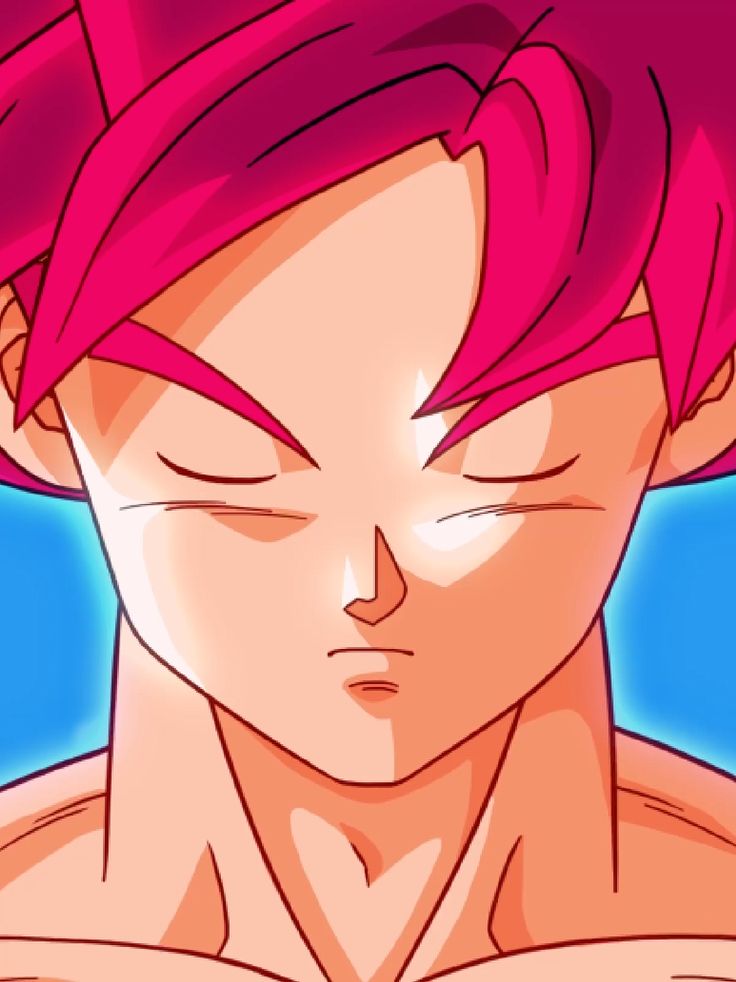
Super Saiyan God Goku — Dragon Ball Z Dokkan Battle reference
Super Saiyan God Goku — Dragon Ball Z Dokkan Battle reference · Bird Studio/Shueisha; Toei Animation; Bandai Namco Entertainment · Copyrighted official game illustration · limited-resolution reference for direct criticism and identification; no public-domain or permission claim ↗
Primary recognizable reference image for the work under discussion.
Conventional Reading
Dragon Ball began manga serialization in 1984 and expanded into anime and related media including Dragon Ball, Dragon Ball Z, and Dragon Ball GT. The franchise centrally features Dragon Balls and Shenron, Saiyans and Super Saiyan transformations, characters including Goku and Vegeta, antagonists such as Frieza, Cell and Majin Buu, fusion techniques including the Fusion Dance and Potara, and GT’s child-bodied Goku.
Geomytha Reading

Geomytha reads the franchise through body, projection, wish, transformation, fusion, and crowned power. The Ball/Dragon pairing, Super Saiyan radiance, Goku/Vegeta polarity, DBZ/GT comparison, and return-to-child-body sequence are treated as modern mythic analogies for reflection becoming projected identity and then attempting return.

Why the Difference Matters

The official franchise sources establish the works, chronology, wish mechanics, characters, transformations, fusion mechanics, and GT child-Goku premise. Geomytha overlays a separate symbolic grammar to analyze how power becomes image and identity.

Parent work / tradition / source

Akira Toriyama / Bird Studio / Shueisha / Toei Animation

Source location / reference

Dragon Ball Official Site series chronology and official franchise material.

Reading Boundary

This record does not claim that Akira Toriyama or the franchise's producers intended Dragon Ball as an encoding of the Old/New Testament split, Geomytha's Is/Am/I/This grammar, a solar initiation system, or the Ball=reflection / Dragon=projection equation. Those are Geomytha comparative readings.

Archetype stress test

Transformations in Dragon Ball can serve cooperation, rescue or comedy, not only inflated identity. Distinguish manga, anime and later continuities. A change of bodily power does not automatically establish a claimant's permanent self-definition.

Source trail

Evidence beneath the record

Dragon Ball Series — Official Site
Official franchise source for titles and chronology. It does not support Geomytha's Ball/Dragon, Old/New Testament, or reflection/projection symbolism.
Dragon Ball Official Site
Dragon Ball Z: Battle of Gods — Official Goku Frame
Official franchise source and copyrighted film imagery. The image is not public domain; use is documented under editorial fair-use review.
Dragon Ball Official Site
Dragon Ball Story Part Three — Cell, Buu, and Fusion — Official Site
Official Dragon Ball franchise source for Cell, Buu, Fusion Dance/Potara, Gotenks and Vegito plot mechanics. Geomytha’s synthetic-identity, false-unity, and fusion readings are editorial.
Dragon Ball Official Site
Shenron and the Seven Dragon Balls — Dragon Ball Official Site
Official franchise source for Shenron and wish mechanics. Geomytha’s ball=reflection / dragon=projection / wish=inversion reading is interpretive.
Dragon Ball Official Site
Goku’s First Super Saiyan Transformation — Dragon Ball Official Site
Official franchise source for the transformation scene and visual aura. Geomytha’s reading of the golden form as a crown or solarized identity-image is interpretive.
Dragon Ball Official Site
Dragon Ball GT — Goku Becomes a Child Again — Official Site
Official franchise source for the GT child-Goku premise. Geomytha’s reading of GT as a return-to-child-body problem after cosmic projection is interpretive.
Dragon Ball Official Site