Egypt
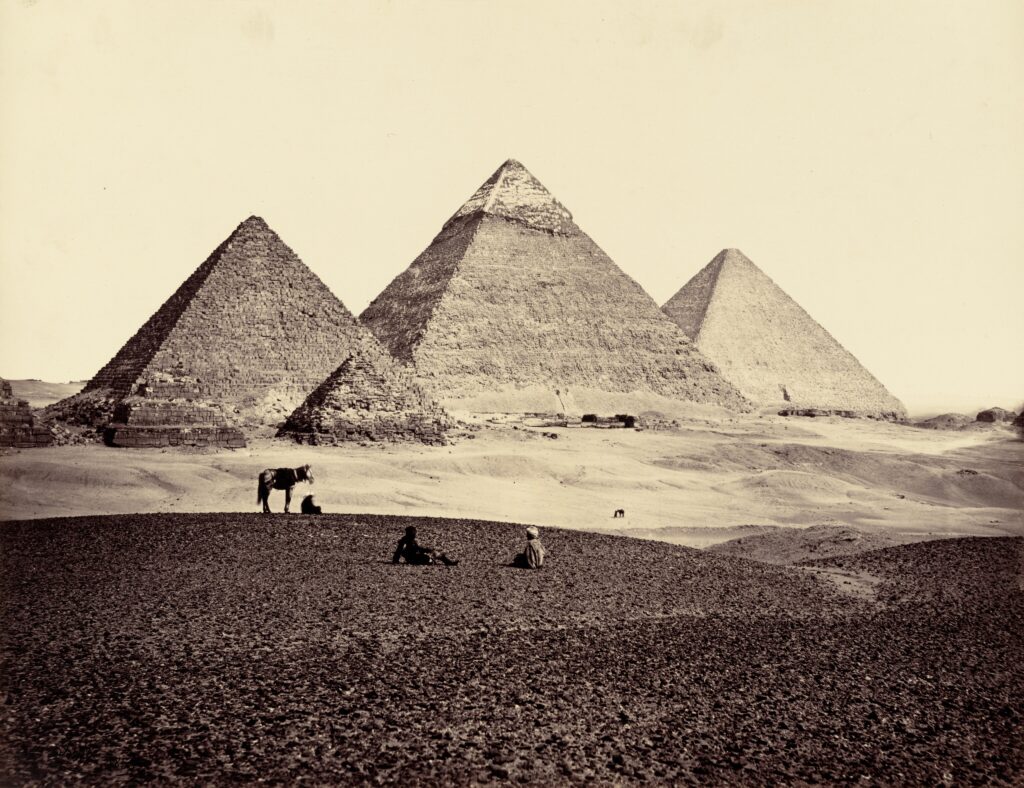
Geomytha makes no standalone claim that Egypt as a civilization equals the Geomytha system. Egypt is the primary historical and mythic source field from which the names Isis, Osiris, Set, and Horus are drawn because those figures preserve a particularly clear symbolic grammar. The interpretive work belongs to specific myths, images, rites, and functions; the civilization itself remains historically larger than the framework built from it.
Conventionally, Egypt is the ancient cultural and religious field in which these deities, rituals, texts, and images developed. Geomytha uses selected Egyptian symbols as an interpretive vocabulary while preserving the distinction between historical Egyptian religion and the later Geomytha grammar.
Ancient Egypt / Nile Valley civilization and mythic traditions
Ancient Egyptian cultural, religious, artistic, and funerary traditions of the Nile Valley; this record functions as the civilization-level context for related deity and underworld records.
Place/civilization record; Geomytha interpretation must remain distinct from historical claims.
Egypt spans millennia of different institutions, texts and religious practices. No standalone symbolic claim about every Egyptian follows from using an Osirian grammar. Date the actual witness and preserve contradictions between periods.
The surviving Egyptian record begins with ritual and fragmentary witnesses, not one recoverable original story. The late Fifth-Dynasty Pyramid Texts provide the early inscribed corpus; Middle Kingdom Lahun fragments preserve an early extensive Horus–Seth struggle. Plutarch's On Isis and Osiris, written much later in the Roman period, supplies a connected narrative. Compare versions rather than attributing Plutarch's complete sequence to the earliest inscriptions. GEOMYTHA's grammatical assignments are modern comparisons.