Julian Calendar
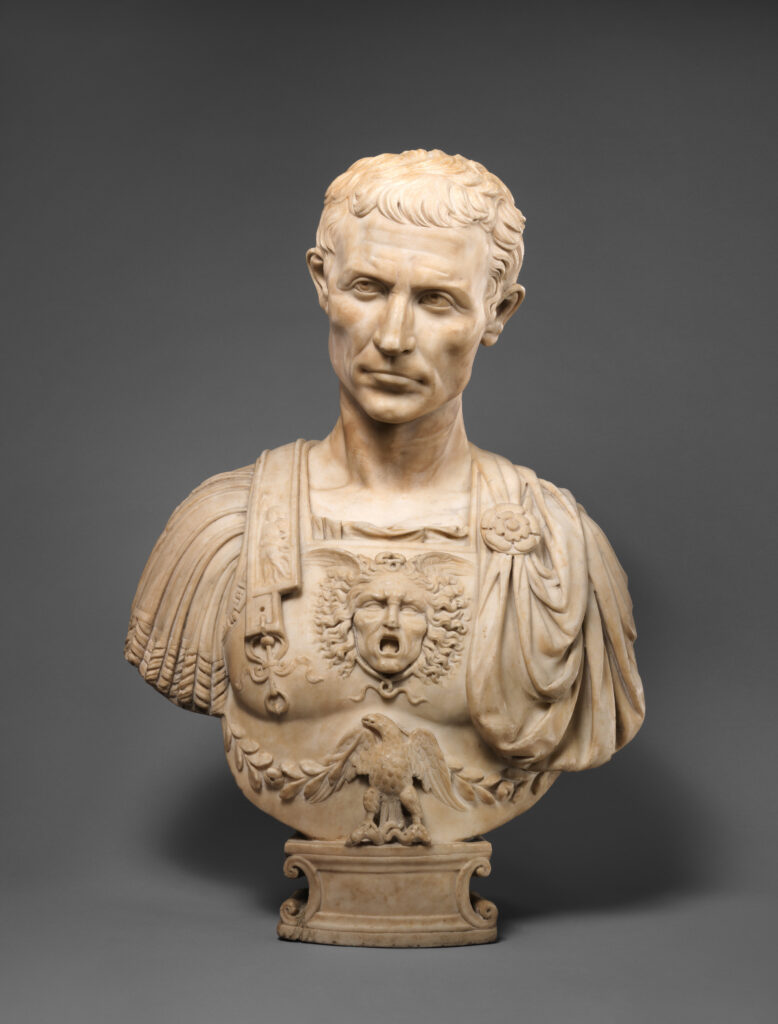
Geomytha uses the Julian reform as an example of measurement pursuing alignment with astronomical reality without ever abolishing remainder. The reform matters symbolically because the calendar must keep correcting itself: civil order can organize time, but it cannot fully possess the heavens.
Historically, the Julian calendar regularized Roman civil time through a 365-day year and leap-year correction. Geomytha reads the continuing need for correction as a symbolic reminder that administrative order can approximate the heavens without fully possessing them.
Roman civil calendar / Julian reform
Plutarch's account of Caesar's calendar reform; U.S. Naval Observatory explanation of the tropical year and leap-year correction.
Historical claims about the Julian reform are source-bound. Geomytha's closure, seizure, possession, and remainder language is interpretive and is not presented as Caesar's intent.
The Julian leap rule corrects the civil year's length approximately and later accumulates seasonal error. Correction does not imply perfect closure or hidden knowledge of GEOMYTHA. Preserve the independently documented calendrical reform.