Mirror / Reflected Image — Literary and Screen Motif
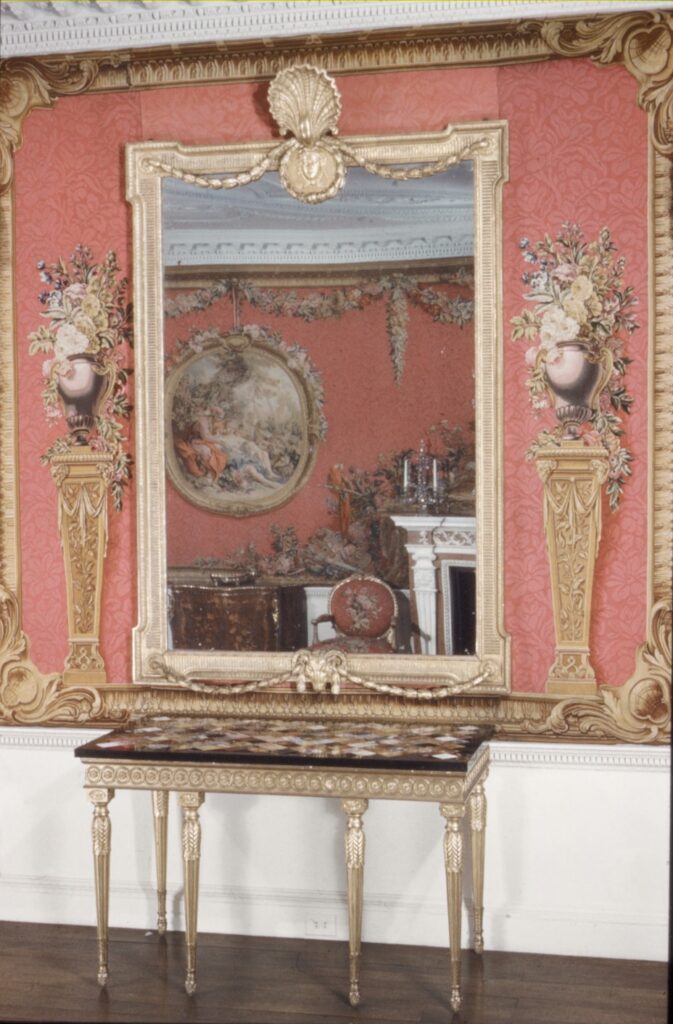
Geomytha treats reflection as Am before claim: an appearance can be seen without being possessed. The mirror becomes a crown when I claims the reflected image and hardens it into This. The related essays use mirrors, portraits, prophecies, profiles, and public images to dramatize the difference between reflection and identity.
Conventional readings treat each mirror, portrait, prophecy, or object within its own story. Geomytha compares their structural function—appearance becoming claim—without replacing the individual works' documented contexts.
Snow White; Dorian Gray; Robin Hood; Genesis; Macbeth; The Lord of the Rings; related literary and screen traditions
Primary and institutional sources linked across the related works; no single historical tradition is claimed to originate the Geomytha mirror grammar.
This is a comparative motif record, not a claim that these works share a documented source, encoded Geomytha's grammar intentionally, or meant the same thing historically. The symbolic equivalences among serpent, mirror, crown, profile, prophecy, and identity are Geomytha's interpretive synthesis.
A mirror may reveal an overlooked fact rather than imprison a self. Macbeth's prophecy, Dorian's portrait and Snow White's ranking mirror have different narrative powers. The comparison needs a specific transfer from appearance to governing authority in each work.

