Moses — Exodus
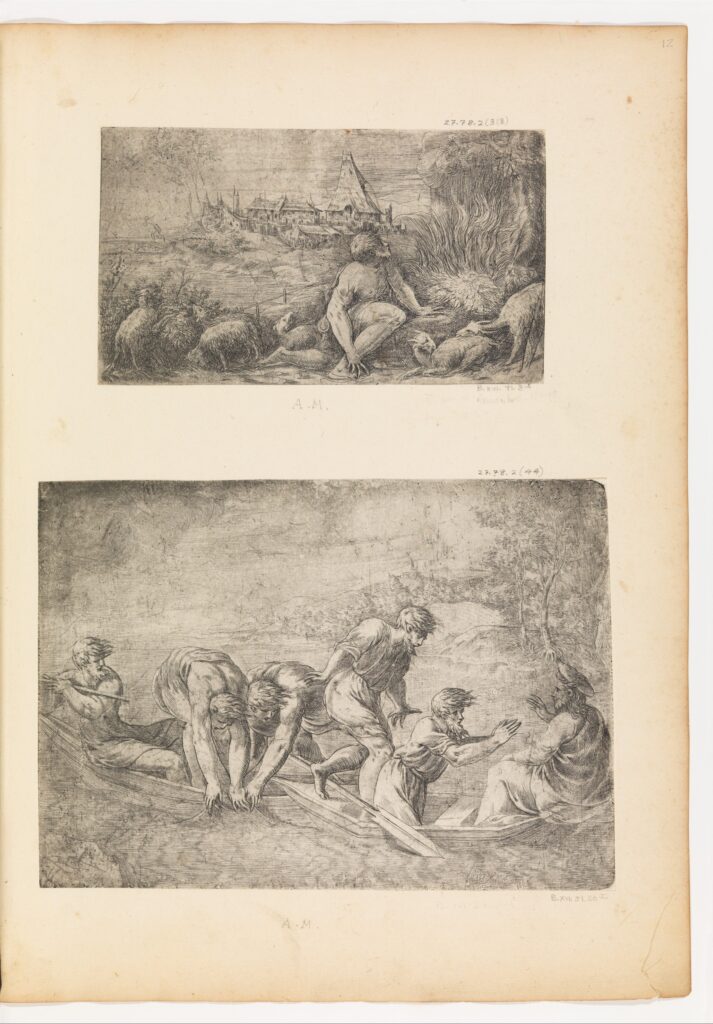
In Geomytha, Moses at the Burning Bush is the witness encountering fire without taking possession of it. The flame appears in the living vessel without consuming it, and Moses is reoriented before the encounter can become personal proof or crown. The symbolic motion is received fire rather than claimed fire: presence becomes felt, the witness is humbled, and the ground becomes holy precisely because ownership is interrupted.
The Exodus account presents Moses' call at the Burning Bush within its own biblical and theological context. Geomytha reads the scene as an image of received fire and non-possession; that fire grammar is an interpretive layer rather than a claim that Exodus explicitly teaches Is / Am / I / This.
Exodus / Hebrew Bible
Exodus 3, especially Moses at the Burning Bush and the divine-name passage in Exodus 3:13–15.
Scriptural description must remain tied to Exodus; Geomytha fire grammar is interpretive.
Moses acts as prophet, organizer and lawgiver across several books. He is not one fixed function in every scene. The burning-bush encounter, confrontation with Pharaoh and later leadership should be tested separately.