Pasiphaë — Queen of Crete
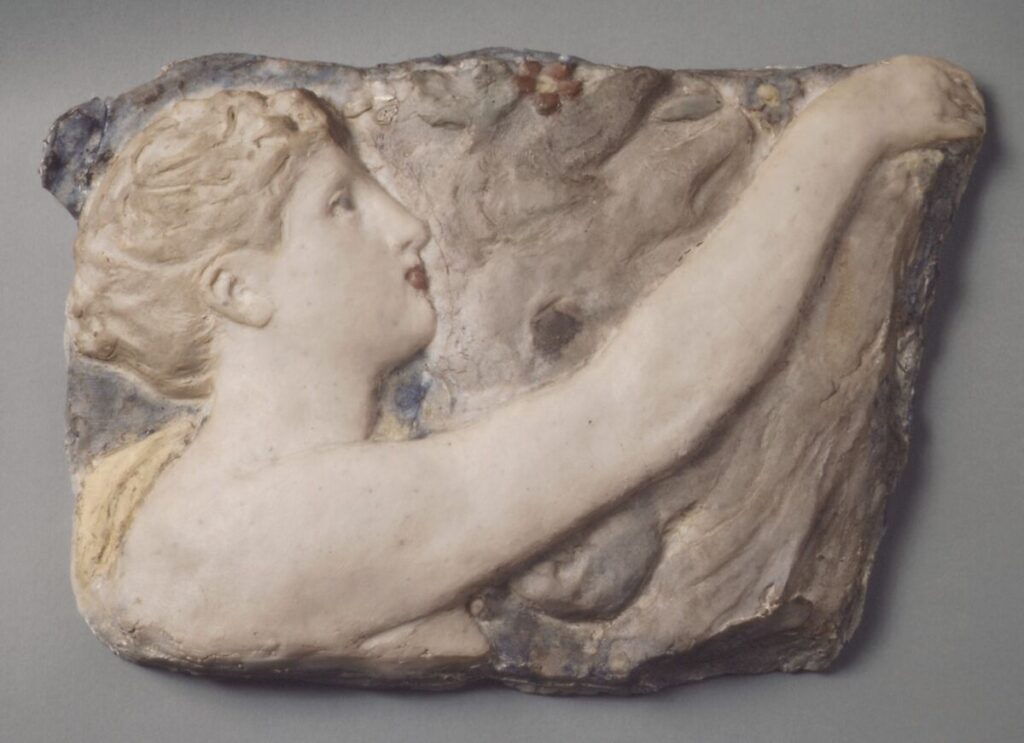
GEOMYTHA reads Pasiphaë's predicament as the displacement of a ruler's broken obligation onto another person's body and reputation. The mechanism is responsibility transferred: Minos's public claim is protected while its consequences are made to appear to belong only to his wife. Her speech resists that imposed identity by naming the preceding decision and refusing the accusation as a complete account of herself. This is a reading of how an identity is assigned and contested, not a claim that womanhood is passive matter, that desire is inherently corrupt, or that Pasiphaë has only one narrative function. Her assistance to Daedalus further prevents reducing her to the container of another person's failure.
The conventional reading describes the ancient narrative and its surviving variants. The GEOMYTHA reading offers a separate symbolic comparison: A plot summary tells how the Minotaur is born. This reading asks who is allowed to define the cause and distribute blame. Pasiphaë's own surviving speech complicates an account centered entirely on Minos's authority.
Ancient Greek myth and its reception
Euripides, Cretans, surviving defense (Diotíma selection 33, GLP 11); Library 3.1.3–4; Diodorus 4.77, especially 4.77.5; Met 24.131.1.
Euripides' defense is a dramatic character's argument, not a neutral legal finding or the complete lost play. Variants must remain separate. No blame attached to women, sexuality or motherhood as categories; no historical event or encoded Egyptian correspondence is established.
Claim tested: Pasiphaë exposes displaced responsibility. Supporting evidence: the Cretans fragment explicitly challenges Minos's allocation of blame. Counterexample: Diodorus 4.77.5 gives her practical agency in helping Daedalus; a passive-field archetype cannot account for it. Limit: the fragment's divine-compulsion explanation belongs to that dramatic voice, not every version. Result: retain the imposed-identity/resistance comparison; reject a universal equation of woman, body and corruption.
Original story and earliest witnesses: the surviving Cretans fragment is an early direct literary witness to Pasiphaë's defense, presented in the consulted anthology as mid-fifth century BCE (GLP 11). Only the surviving speech is assessed; no ending is invented for the lost tragedy. Pseudo-Apollodorus, Library 3.1.3–4, and Diodorus 4.77 preserve later connected accounts. The modern Lloyd-Jones translation is paraphrased and remains separately credited; Diodorus's Oldfather translation (1939) is not treated as public domain.