Plato
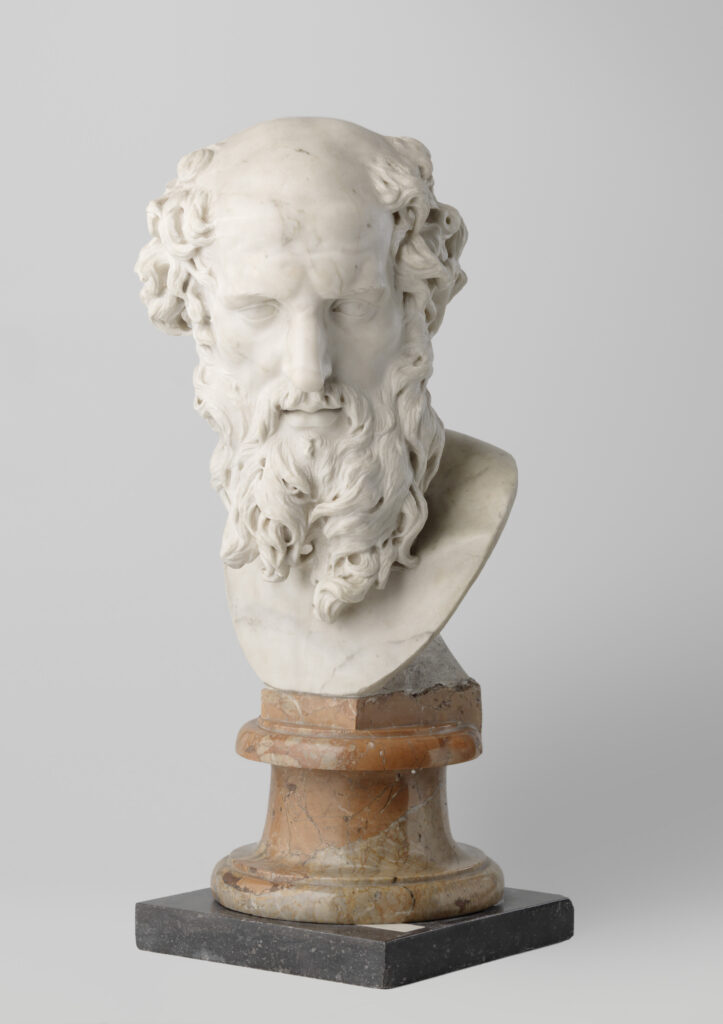
Geomytha makes no standalone symbolic claim about Plato as a person. His Allegory of the Cave functions as a source text for a specific mechanism: inhabitants can mistake representations for reality because the mediated environment is the only world they know. The Geomytha relevance belongs to that cave-pattern of appearance, conditioning, and release rather than to Plato's identity.
Conventionally, Plato is the ancient Greek philosopher whose Republic contains the Allegory of the Cave. Geomytha uses that passage as a comparison for mediated reality and mistaken appearance while keeping Platonic philosophy distinct from the later Geomytha framework.
Plato, Republic, Book VII
Plato, Republic, Book VII, especially the Allegory of the Cave (514a–521d).
Do not collapse Platonic philosophy into Geomytha; source the Cave passage directly.
Plato's dialogues contain distinct arguments and dramatic speakers. A character's account is not automatically Plato's personal assertion. The Cave, Timaeus and Atlantis passages need their own textual contexts.
