Revelation — Book of Revelation
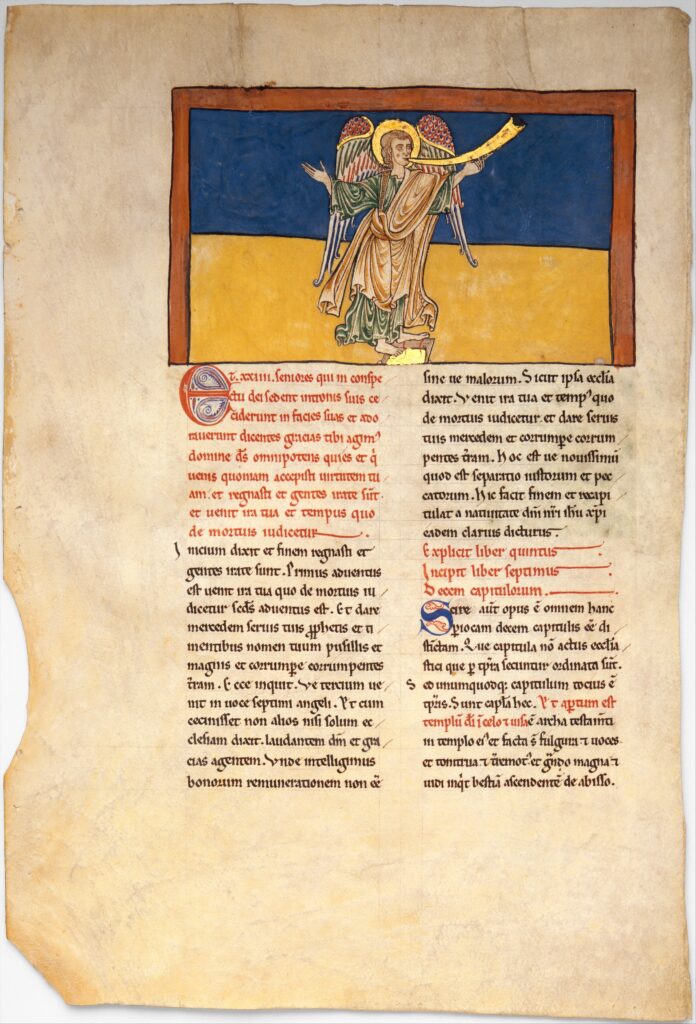
In Geomytha, Revelation supplies the terminal fire-image for the attention cycle. The lake of fire and second death are read not as the fire that creates the vessel, and not as the claimed fire that expands identity, but as exposure after All This has reached its limit. Second Death Fire burns the false claim to permanence: the beast-system, enemy-field, and hardened identity can no longer continue merely because they have learned to perpetuate themselves.
The Book of Revelation is a Christian apocalyptic text with its own historical, theological, and literary contexts. Geomytha's First Fire / claimed fire / Second Death Fire sequence is an interpretive framework applied to specific Revelation imagery; it is not presented as the book's sole or explicit doctrinal meaning.
Book of Revelation / Apocalypse of John
Book of Revelation, especially chapters 13 and 19–21 for beast, fire, second death, judgment, and final-order imagery.
Specific claims must be tied to passages; Geomytha’s fire grammar is interpretive.