Index Record

Rosebud — Citizen Kane
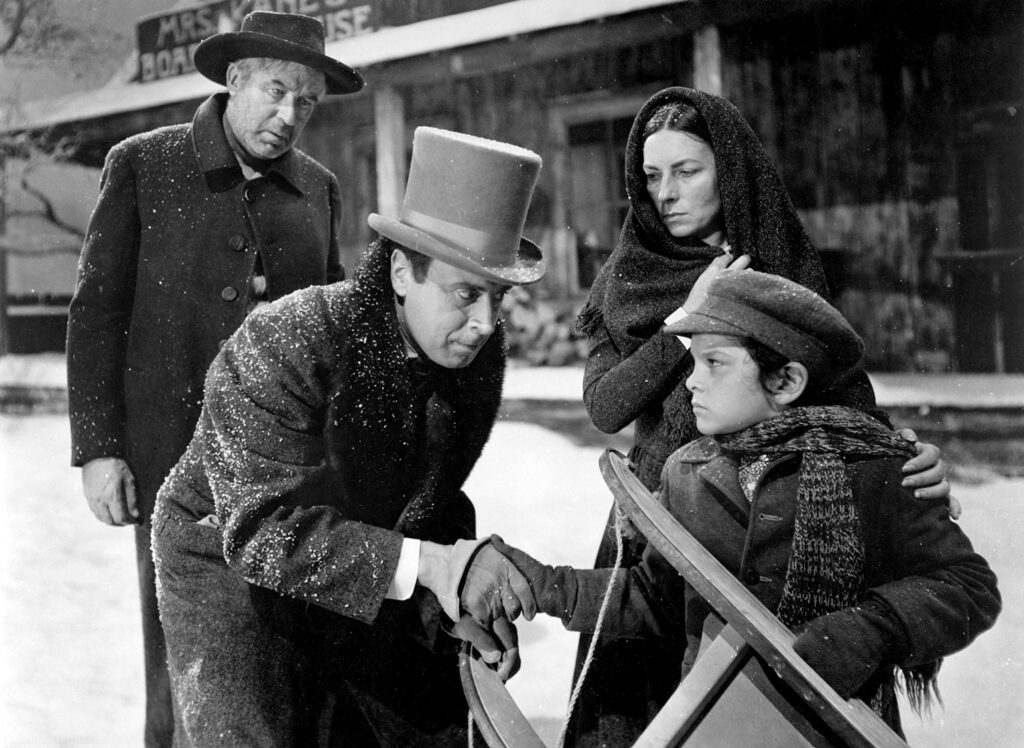
Young Charles Foster Kane holding his sled Rosebud in Citizen Kane.
Primary recognizable reference image for the work under discussion.
Conventional Reading
Citizen Kane organizes much of its retrospective investigation around Kane’s final word, “Rosebud.” The film ultimately reveals Rosebud as the sled associated with his childhood before he was taken from his mother. The Library of Congress essay treats the sled as a poignant symbol within the film’s backward search for an explanation of Kane while explicitly cautioning that Rosebud may not fully explain him.

Geomytha Reading

Geomytha reads Rosebud as an image of the final attachment: after power, property, reputation, and accumulation, the last charged object points backward toward a self-story that was never fully released. Its strength as an example lies precisely in its incompleteness: the object can condense a lost identity without explaining the whole person.

Parent work / tradition / source

Citizen Kane (1941)

Source location / reference

Citizen Kane (1941), especially the opening death scene, the investigation of Kane’s final word ‘Rosebud,’ the childhood separation sequence, and the final reveal of Rosebud as Kane’s childhood sled. Supporting source: Library of Congress National Film Registry essay by Godfrey Cheshire.

Reading Boundary

This reading does not reduce Citizen Kane to Rosebud, diagnose Kane through a single childhood cause, or claim that Welles or Mankiewicz intended Geomytha’s grammar. The film documents Rosebud’s role as childhood object and organizing mystery; the “final attachment” mechanism is Geomytha’s interpretation.

Source trail

Evidence beneath the record

Citizen Kane — National Film Registry essay

Library of Congress National Film Registry essay by a film historian/critic, used for Rosebud’s sled identity and the explicit limitation that it does not fully explain Kane.

Library of Congress — National Film Preservation Board