Captain Nemo — Twenty Thousand Leagues Under the Seas
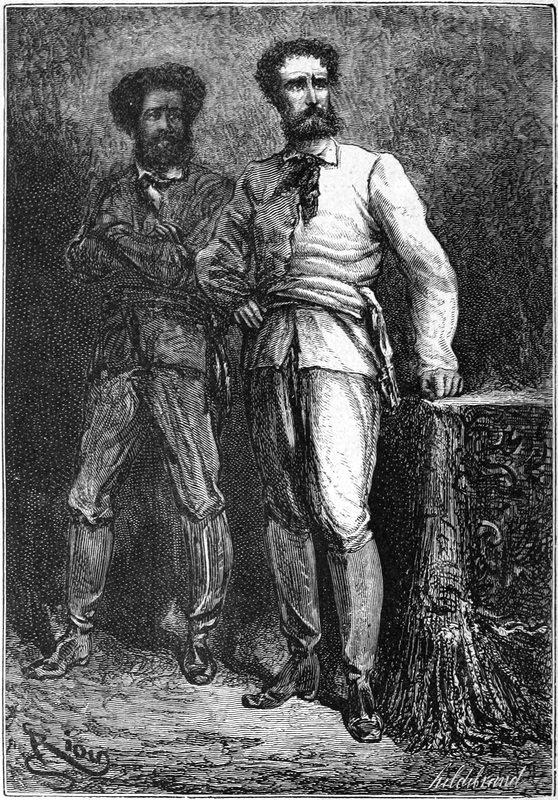
GEOMYTHA reads Nemo as a wounded sovereign when his answer to oppression becomes a private world governed by his unchallengeable will. He escapes existing powers yet reproduces domination by denying his passengers an exit. The mechanism is the conversion of legitimate injury into an identity that authorizes control and revenge. It is not the claim that resisting oppression, grieving or seeking solitude is itself egoic.
The source character is an enigmatic captain with conflicting ethical commitments. GEOMYTHA focuses on the gap between freedom claimed for oneself and freedom granted to others; this sharpens the interpretation without treating every act of resistance as a false kingdom.
Jules Verne, Twenty Thousand Leagues Under the Seas
Gutenberg 54873, I.10 (conditions of captivity); II.3 (pearl diver), II.4 (oppression and captivity), II.21–22 (warship and final departure).
GEOMYTHA’s conditional literary comparison is distinct from the novel’s documented events and from any claim of Verne’s intention. No character is assigned a universal identity or diagnosis. Nemo risks his life to save a stranger and aids the oppressed. Those actions resist a one-note tyrant reading. His later violence and confinement support the narrower mechanism. Do not import Prince Dakkar’s later backstory from The Mysterious Island as if disclosed in this novel.
Nemo risks his life to save a stranger and aids the oppressed. Those actions resist a one-note tyrant reading. His later violence and confinement support the narrower mechanism. Do not import Prince Dakkar’s later backstory from The Mysterious Island as if disclosed in this novel.
Original story: Jules Verne’s Vingt mille lieues sous les mers, not a screen adaptation. The checked French text is Project Gutenberg 54873, with the early Hetzel illustrations; BnF catalogues the illustrated Paris volume as [1871]. This source is an accessible early illustrated witness, not a claim to the oldest surviving manuscript or a verified first-serial transcription. Targeted passages were checked for this record. Gutenberg 54873, I.10 (conditions of captivity); II.3 (pearl diver), II.4 (oppression and captivity), II.21–22 (warship and final departure).
