Isis Plexus
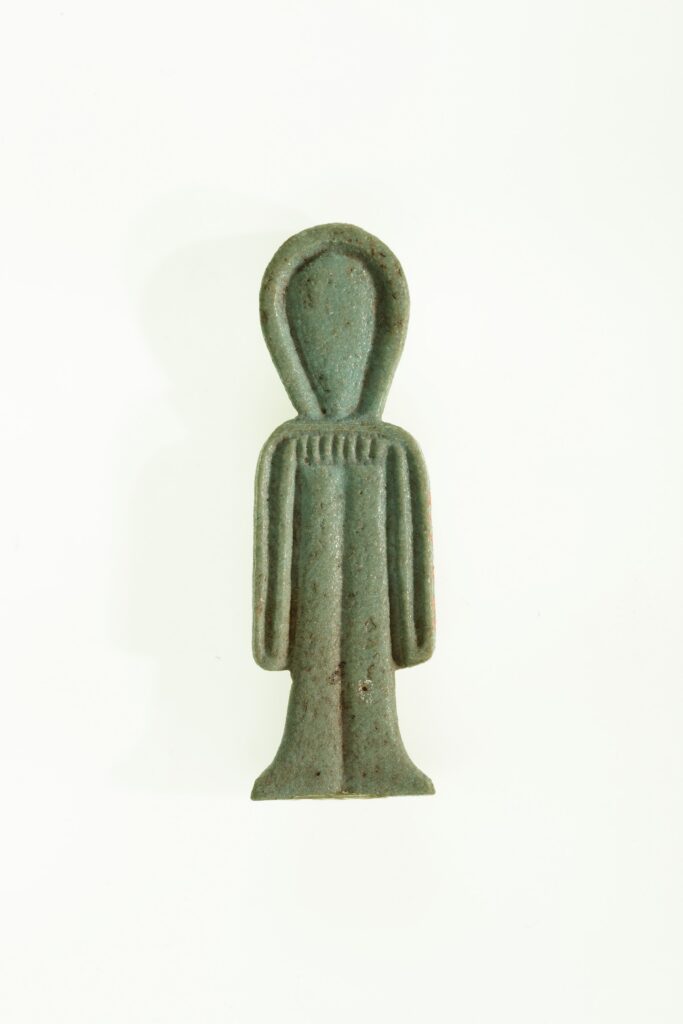
Conventionally, the solar plexus is the celiac plexus, a large autonomic nerve network in the upper abdomen. The pineal gland is a small neuroendocrine organ in the brain involved in melatonin secretion and circadian physiology. Ancient Egyptian sources and museum records document Isis as mother/protector, the wedjat as Horus’s healed eye and a regenerative/protective symbol, winged sun-discs in elevated registers, and obelisks in solar/benben contexts. None of these conventional sources identifies an 'Isis plexus' or teaches the Geomytha body map.
Geomytha renames the symbolic body-center 'Isis Plexus' to emphasize receptivity, containment, and embodied presence rather than solar projection. It then uses 'solar' for the upper image-system as a symbolic register of radiance, direction, anticipation, and representation. The pineal is not claimed to physiologically produce false light; it is a symbolic landmark within that upper register.
The conventional reading identifies actual anatomy and historically documented Egyptian symbols. The Geomytha reading asks a different question: if those symbols are arranged by function rather than by medical nomenclature, which images best express containment and which best express directed projection? The answer is interpretive, not anatomical.
The term distinguishes receptive embodied awareness from Geomytha’s symbolic 'solar' register of projection. The torso-center is treated as a chamber of containment and embodied reflection; the upper image-system, including the pineal only as a symbolic anchor, represents the movement by which reflected presence is recruited into directed image and claimed identity.
Am as embodied reflection → upward projection through I → hardened image/identity as This. The corrective movement is containment before claim: let the body hold reflection without immediately converting it into representation, anticipation, or self-definition.
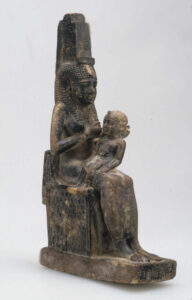
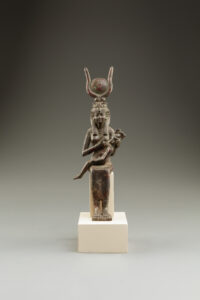
Isis nursing Horus provides the primary visual analogue. Museum sources document Isis in this pose as nurturer, life-giver, and protector. Geomytha interprets that documented iconography as a model of containment and holding rather than projection.
The wedjat eye supplies an eye/vision image; British Museum stelai place winged sun-discs above divine scenes; official Egyptian heritage sources associate obelisks with solar mythology and the benben. Geomytha uses these images comparatively to build a contrast between holding below and radiating or directing above.
The pineal gland is the stress-test. Anatomically it is a neuroendocrine organ associated with melatonin and circadian physiology; there is no medical basis for calling it a center of projection, false light, or identity manufacture. The Geomytha reading works only when explicitly kept in the symbolic register.
The celiac plexus and pineal gland have documented anatomical functions independent of GEOMYTHA symbolism. No clinical observation establishes an 'Isis organ.' Use the image as embodied orientation; abandon literal anatomy claims where medical evidence does not support them.
“Isis Plexus” is a Geomytha term, not an anatomical structure. The celiac/solar plexus remains the accepted anatomical name for the autonomic nerve network. The pineal gland is not medically established as a center of projection, false light, clairvoyance, identity formation, or consciousness. Egyptian images support the documented iconography named in their museum records; they do not prove the Geomytha mapping or an ancient hidden anatomical doctrine.
Do not present the symbolic renaming as medicine, neuroscience, Egyptological consensus, or proof of a hidden glandular system. Do not use it to discourage medical evaluation of abdominal, neurological, endocrine, or sleep symptoms. The mechanism is useful only as a disciplined interpretive map of attention and identity.
Where this mechanism appears
Explore the essays and Index entries linked to this mechanism.
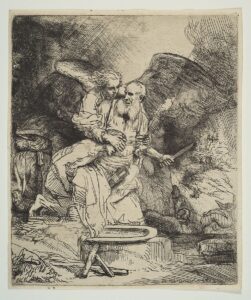 Abraham and the Unslain SonA symbolic reading of Abraham and Isaac centered on interruption: the knife is raised, but the sacred turn is that the sacrifice does not…
 Healing the Wrong SelfModern therapy culture often speaks as if the self were the patient, the project, and the prize all at once. That should make people…
 The Solar Plexus Was Never SolarPaid essay — public preview. This page introduces the original essay. The complete argument, examples, and conclusion are available to paid Geomytha subscribers on…
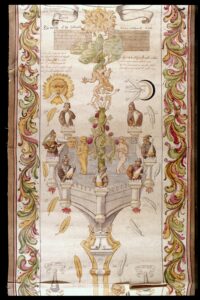 Water & Salt: How the Vortex Math Diagram Maps Presence and IdentityA symbolic reading of digital-root geometry in which water names fluid presence and salt names identity after attention hardens into a trackable self-story.
Follow the mechanism
See also
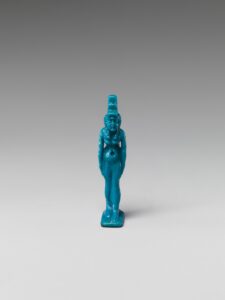 IsisIn Geomytha, Isis names the unclaimed field: Is — pure being, awareness before possession, and the ground before the claimant appears.
 Breath / Embodied ReflectionBreath makes reflected presence tangible in the body: inhale is used as Am, embodied reflection, while exhale is used as Is, release back toward source before reflected presence is seized by the claimant.
 Presence as VesselPresence acts as a vessel when experience can be received, held, and related to without immediately being seized as identity or possession.