Isis
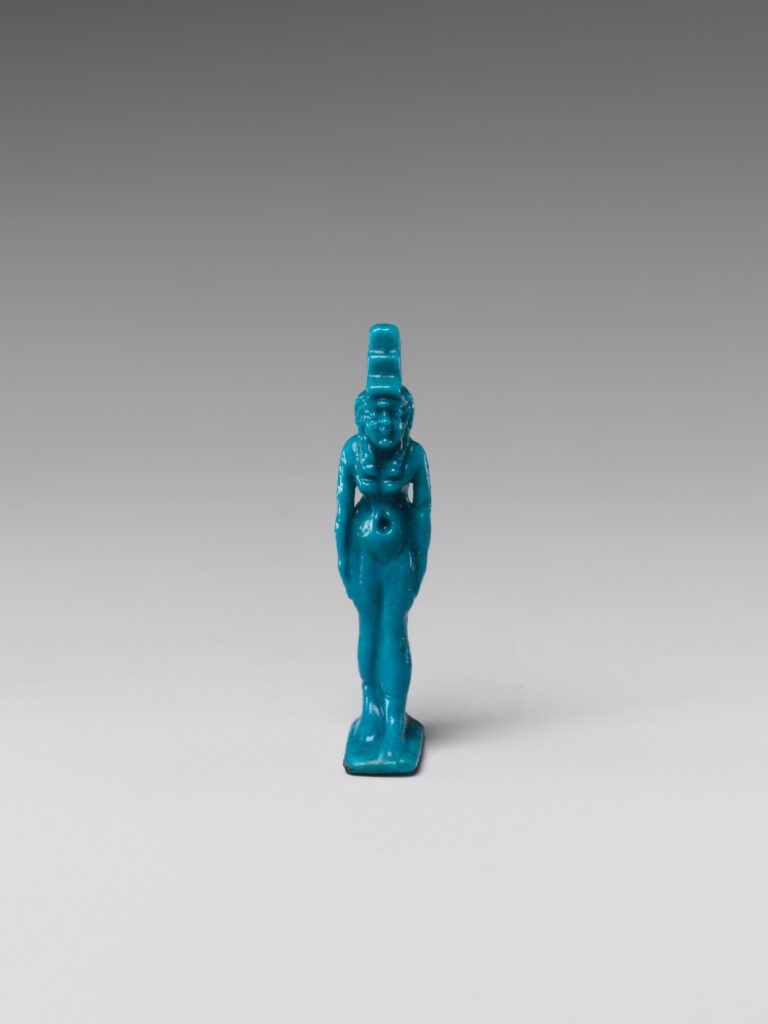
Historical baseline: Isis is an ancient Egyptian goddess whose name is attested in the Pyramid Texts. In the Osirian family structure she is the wife of Osiris and mother of Horus. Museum records emphasize her maternal, protective, life-giving, and magical roles, and her relation to kingship through Horus and the pharaoh. Images of Isis nursing Horus became especially widespread in the first millennium BCE. Geomytha’s use of Isis as FIELD / IS is a later interpretive mapping and should remain visibly separate from this historical description.
GEOMYTHA places Isis at Is: the containing field within which reflection and particular forms can appear. This is a selected function in the framework, rather than a translation of the goddess's Egyptian name or an exhaustive account of her worship.
The comparison becomes useful when the story emphasizes protection, recovery and the holding together of what fragmentation has dispersed. Isis can then represent the possibility of relation before a particular image is claimed as the whole self. Her strategic actions also set a limit: a figure who searches, protects a child and intervenes cannot be reduced to passive or featureless awareness.
The practical reading asks whether attention can hold an experience without immediately possessing it. If a scene instead turns on Isis's particular aims, kinship or ritual powers, preserve those functions rather than forcing every action into Is. The source history and the GEOMYTHA comparison must remain independently legible.
Egyptian sources describe a particular deity and her relationships, actions and ritual reception. GEOMYTHA selects containment and restoration as analogues for Is. That selection is a modern comparative proposal; it does not establish an Egyptian doctrine of undifferentiated awareness.
Isis is the mythic correspondence for Is. She represents source-field, unclaimed presence, and awareness before identity. The operative question is what remains before thought says mine.
Is → Am. The field becomes reflection without yet becoming ownership.
Isis protects a particular child, acts strategically and restores Osiris; she is not simply an undifferentiated field in every historical account. The reading works as a selected correspondence when containment or prior relation is visible. It fails as an exhaustive translation of the goddess or her ancient name.
The surviving Egyptian record begins with ritual and fragmentary witnesses, not one recoverable original story. The late Fifth-Dynasty Pyramid Texts provide the early inscribed corpus; Middle Kingdom Lahun fragments preserve an early extensive Horus–Seth struggle. Plutarch's On Isis and Osiris, written much later in the Roman period, supplies a connected narrative. Compare versions rather than attributing Plutarch's complete sequence to the earliest inscriptions. GEOMYTHA's grammatical assignments are modern comparisons.
This is Geomytha’s interpretive grammar, not a claim that conventional Egyptology defines Isis as the metaphysical category Is or that this exhausts the historical meanings of the goddess.
Do not turn Isis into another possession, identity, or superiority claim. The point of the Isis position is precisely the field before ownership.
Where this mechanism appears
Explore the essays and Index entries linked to this mechanism.
 White Room: The Shadow Waiting to Become Someone ElseChanging the image of who you are can leave the same need for an image in charge. A GEOMYTHA reading of Cream's White Room…
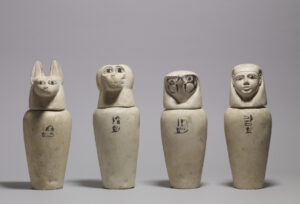 Why the Organs Were Not Thrown AwayAncient Egyptian mummification separated the liver, lungs, stomach, and intestines—but the parts were preserved, guarded, and kept inside a larger funerary order. Division did…
 How to Read the Verb Beneath the MythBefore asking what a mythic figure represents, ask what the figure does. A practical GEOMYTHA guide to reading field, reflection, claim, and identity as…
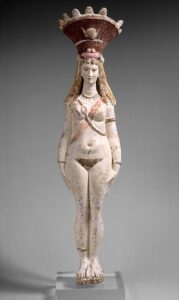 Why Isis Comes FourthPaid essay — public preview. This page introduces the original essay. The complete argument, examples, and conclusion are available to paid Geomytha subscribers on…
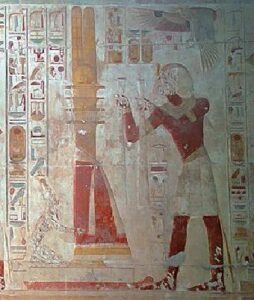 Why Osiris Comes FirstPaid essay — public preview. This page introduces the original essay. The complete argument, examples, and conclusion are available to paid Geomytha subscribers on…
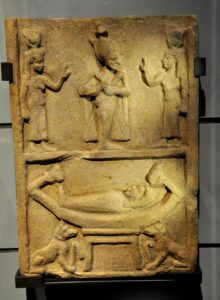 Why Nephthys Comes LastPaid essay — public preview. This page introduces the original essay. The complete argument, examples, and conclusion are available to paid Geomytha subscribers on…
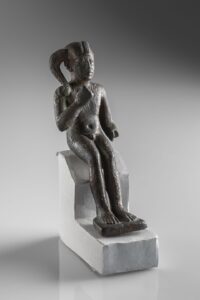 Why Egypt Preserved Two FalconsPaid essay — public preview. This page introduces the original essay. The complete argument, examples, and conclusion are available to paid Geomytha subscribers on…
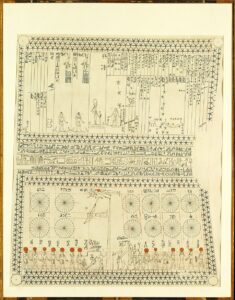 Why Horus the Elder Comes Before SetPaid essay — public preview. This page introduces the original essay. The complete argument, examples, and conclusion are available to paid Geomytha subscribers on…
Showing 8 most recent linked essays.
Follow the mechanism
See also
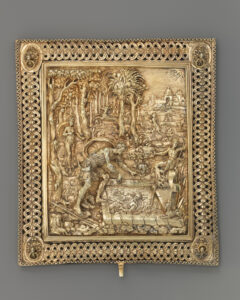 Is — SourceIs names unclaimed being: awareness before possession, distinction, or identity.
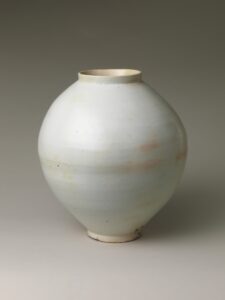 Presence as VesselPresence acts as a vessel when experience can be received, held, and related to without immediately being seized as identity or possession.
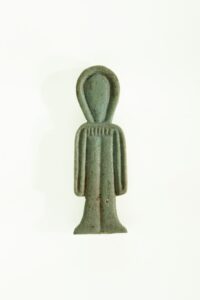 Isis PlexusGeomytha uses “Isis Plexus” as an interpretive name for the embodied receptive center associated with holding, containment, and unclaimed presence before attention is pulled upward into image, anticipation, abstraction, and identity.
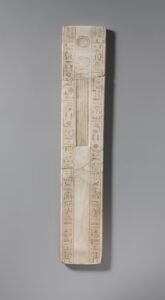 Is / Am / I / ThisThe foundational Geomytha grammar is Is → Am → I → This: Source → Reflection → Claim → Identity.