After someone hurts you, it can feel sensible to become a person who cannot be hurt.
You change your habits. You become more guarded. You imagine a future version of yourself who has finally outgrown the need that made the pain possible.
Some of that change may help. A boundary can protect you. A better routine can restore your footing. Leaving a harmful situation can be necessary.
But there is another possibility inside the reinvention. The old hurt can remain in charge, deciding what the new person must become.
The image changes. The demand continues.
Cream's White Room gives GEOMYTHA a way to look at that movement: a self-image trying to escape itself, with another place or person promising that the escape will finally be complete.
Begin with the actual room
The song appears on Cream's 1968 album Wheels of Fire. Its writing partnership was Jack Bruce and lyricist Pete Brown. [1]
Brown later described a real room and a period of reassessing his life. He also described the song's images as intuitive and cinematic, and said he reduced an eight-page poem to one page. That account gives us a human starting point: personal transition expressed through a changing sequence of images. [2]
We should keep that starting point. There is no need to turn Brown's room into a secretly encoded Egyptian temple.
The song's image of shadows fleeing their own selves opens a further question. What would escape mean when the thing being escaped travels with the runner?
Herb Bowie's 2009 reading already connects the song's interior world with isolation and self-escape. GEOMYTHA builds on that interpretive territory by asking how an unwanted self-image can generate its replacement. [3]
The preferred self inherits the demand
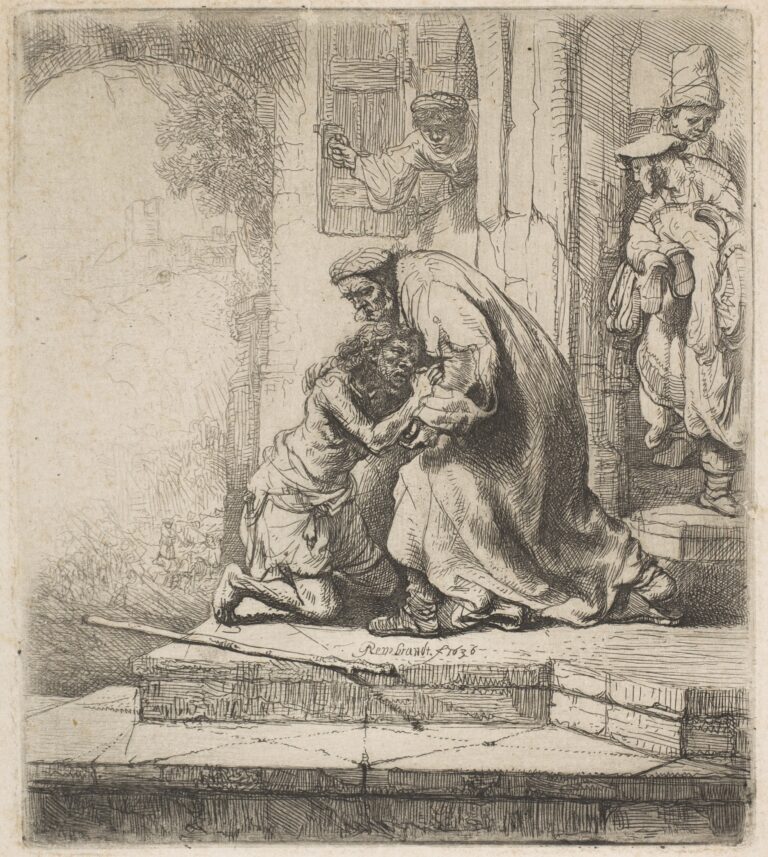
Imagine someone who has been rejected.
At first, the fact is painful enough. Someone they wanted has left. There are practical matters to handle and feelings to live through.
Then the experience becomes a definition: I am the person nobody wants.
A second image appears in opposition: I will become the person nobody can reject.
Those images seem to be enemies. One is inadequate; the other promises strength. Yet both give another person's response authority to establish the self. The future image still answers to the original wound.
This is one way GEOMYTHA reads competition between identities. The rejected self, the successful self, the detached self, and the admired self can each demand the right to define the person. Winning may change which image is defended while leaving the need for a defining image intact.
These are ordinary illustrative possibilities. They do not diagnose Brown, the narrator, or anyone experiencing loss.
The useful question is what governs the change. Does a new habit help someone live, or has it become evidence that the old image has finally been defeated? The same outward action can serve either purpose. Sometimes it serves both.
A destination for being enough
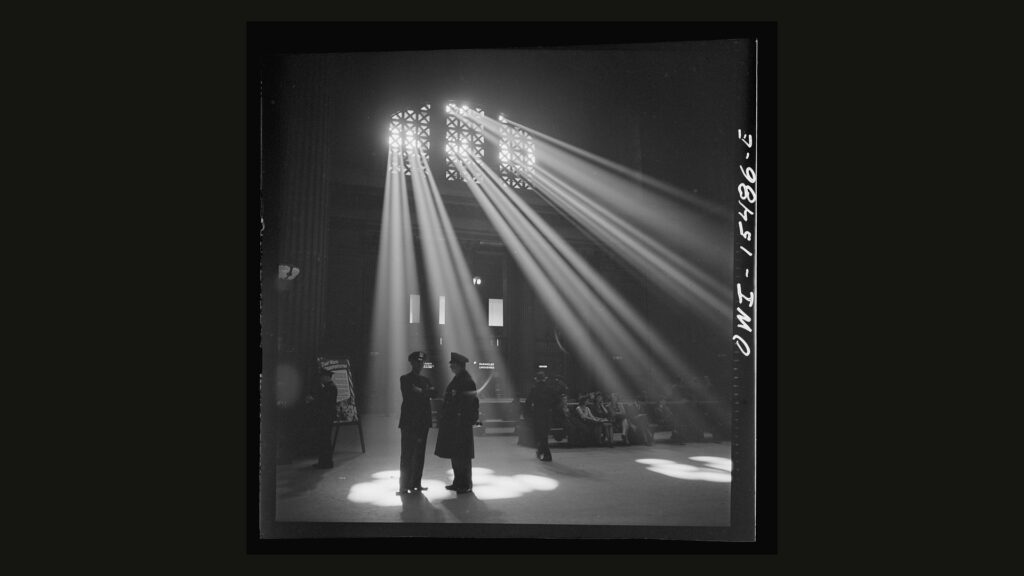
A station organizes movement from one place to another. Waiting there is ordinary. People have real journeys to make.
The song's transport and waiting imagery also gives this reading a structure for deferred completion. [1]
Identity can turn a destination into a condition:
When I become that person, I can finally be at ease.
The place may be a relationship, an achievement, or a reputation. Attention keeps measuring the distance between the current image and the image that promises arrival.
Now consider someone working toward a qualification. Studying serves a real purpose. Passing may improve their opportunities.
But suppose the qualification is also expected to settle whether they are fundamentally sufficient. After passing, they discover another requirement: a position, a promotion, a larger audience. Each achievement is real. The promised permission to begin living keeps moving.
The queue gives that promise its waiting period. Life is placed after a condition, and the present becomes somewhere to endure until the preferred self arrives.
When GEOMYTHA questions the station, it questions this imagined destination of final sufficiency. The actual train station, the examination, and the work remain.
Claimant and appearance
GEOMYTHA uses four terms for the movement into defended identity: Is → Am → I → This.
Is names awareness before claim. Am names reflected presence. I names the claimant that takes an experience as its own. This names the identity that hardens around the claim.
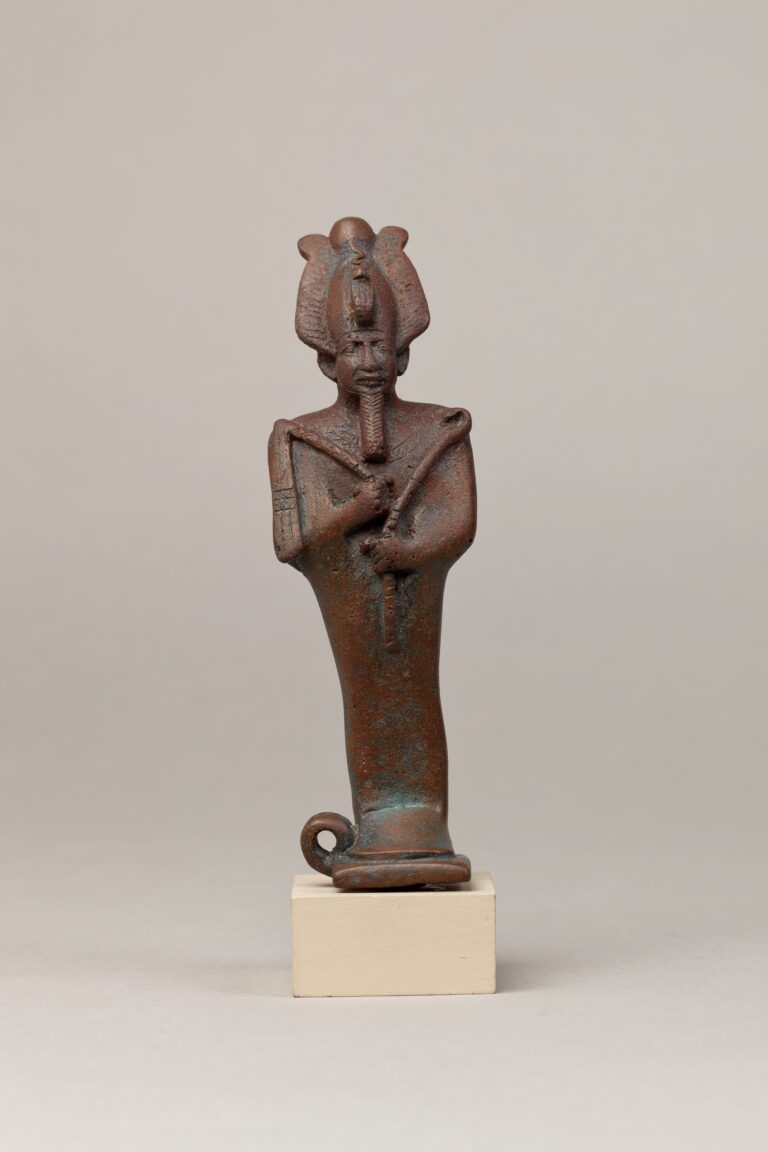
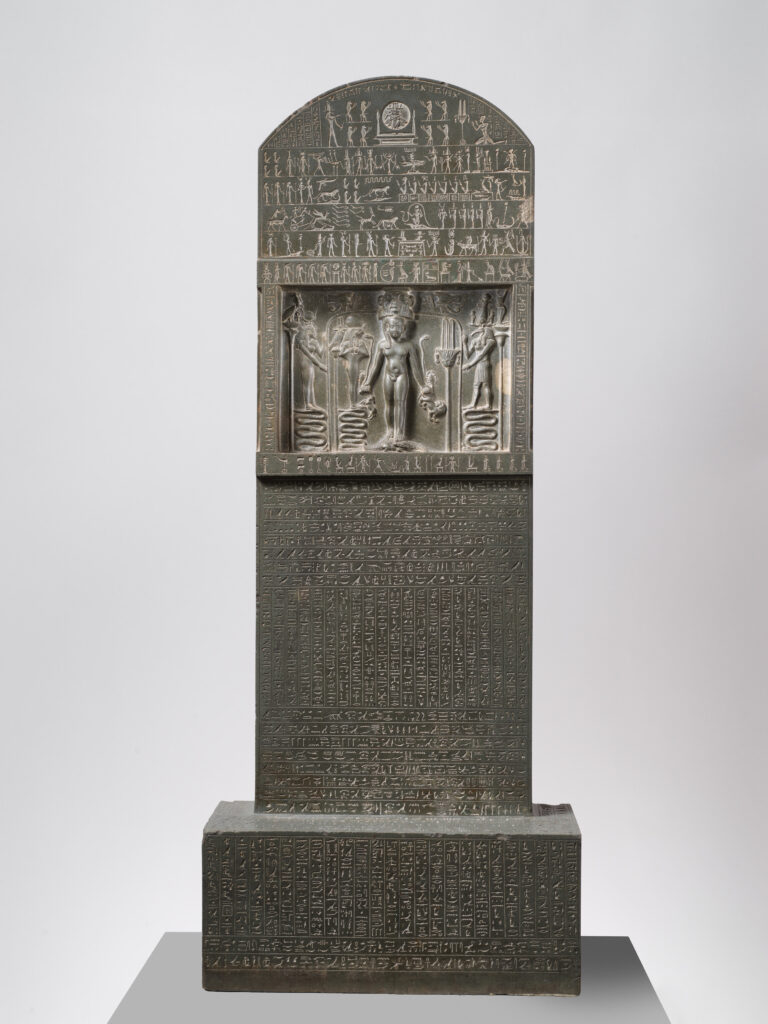
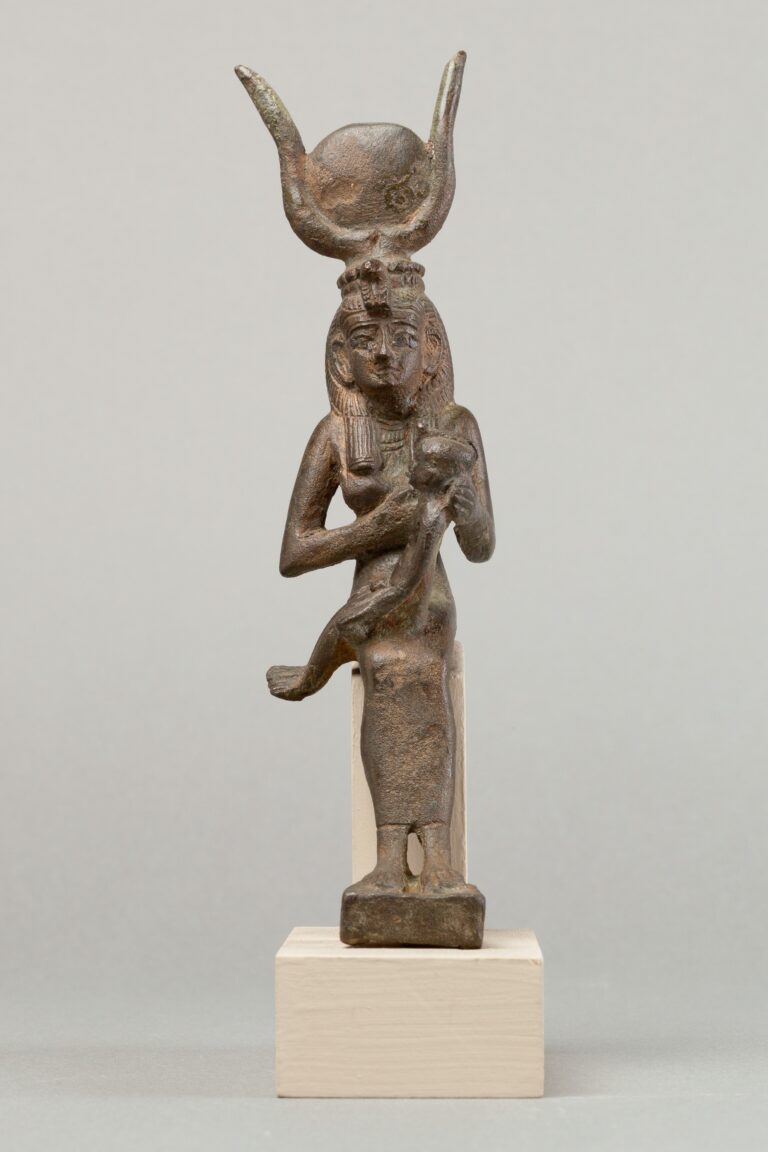
In the project's Egyptian frame, these terms are associated with Isis, Osiris, Set, and Horus. Those are GEOMYTHA's interpretive associations. They do not establish ancient linguistic derivations or an Egyptian intention behind the song.
Here the distinction between I and This matters. The unwanted and preferred images are different forms of This. The activity that makes an image the condition of being is the claimant's work.
Changing the image may leave that activity untouched.
The self-image can also recruit a whole supporting world: signs of progress, people who might approve, rivals who might win, and destinations that promise completion. The station is a local image of that organization. It does not prove that every journey conceals the same mechanism.
Let the simpler account remain
Loneliness, separation, and personal transition can explain the song without GEOMYTHA. Brown's account supports an intuitive sequence of lived images. The song does not explicitly announce a contest among identities. That contest is a further reading.
The shadow image may suggest fear or isolation as readily as defended selfhood. Our interpretation becomes useful where an experience is being made into a total definition of the person. It loses precision when every difficult feeling is treated as evidence of false identity.
Human care matters here. Another person can offer genuine kindness. A relationship can help someone heal. The other person retains a life and freedom of their own; they cannot be reduced to a surface on which the narrator projects meaning.
Nor does a painful experience become unreal because we examine the identity built around it. Grief, harm, and loneliness deserve a response. Contact with present experience can include asking for help, protecting oneself, or changing a situation.
The song leaves the recurring image active. It offers no clear statement that the narrator has become free. The return proposed here belongs to GEOMYTHA's reading, rather than a resolution we insert into the lyric.
The next necessary action
There is a quieter possibility than winning the contest between selves.
Notice the person you think you must become before you can allow yourself to be here. Notice what that person is supposed to settle.
Perhaps it is the admired person who will finally silence shame. Perhaps it is the independent person who will never need anyone. Perhaps it is the spiritually accomplished person who will never again feel ordinary uncertainty.
You do not have to fight the image. Fighting can give it another opponent and keep the contest going.
Let it be an image you can see. Feel your feet, notice your surroundings, and return to the task or conversation in front of you. Then choose the next necessary action.
You can study, leave, repair, rest, or connect. The action can serve life without being required to prove your right to inhabit it.
This is the surrender proposed by the reading: release the demand that a future identity establish the reality of being here now.
The journey can continue. Presence does not have to wait for arrival.
Sources
1. Jack Bruce official site, Wheels of Fire, and Ginger Baker's official album record. Album, writing credits, and official song text.
2. Bassam Habal's interview with Pete Brown, May 21, 2023. Creator's account of the room and writing process.
3. Herb Bowie, White Room, June 1, 2009. Earlier critical interpretation of isolation and self-escape.
GEOMYTHA's claimant/identity grammar and proposed return are interpretive. They are not conclusions attributed to these sources.