How to Read Geomytha
Start with something you know: a story, film, song, or work of art. Look at what happens. Then ask five questions: Who or what is this about? Why does it matter? When does it fit in the calendar? How does the Moon mark that moment? What pattern does the story show?
The doorway
Start with a myth, film, song, person, or symbol. This is the doorway into the story. The subject helps us see the pattern, but it is not the pattern itself.
The main point
The subtitle gives the main idea. It tells you why the story matters and what question the essay will test.
The season
The Stellar Field pairs an essay with a solar sign and its directive. It sets a theme for the season. It does not tell you your fate or claim the sky causes the story.
The Moon’s action
Each Moon phase has a visible verb and a directive. New Moon pairs Gather with Receive. Full Moon pairs Claim with Witness. The Lunar Action helps us read the day the essay appears.
The mechanism
Archetypal Motion names the pattern at work. Its four parts are IS → AM → I → THIS: field, reflection, claim, identity. A story may show one part or move through several.
LUNAR + SOLAR PRESSURES
Two pressures. One story.
The Moon gives the phase. The Sun gives the sign. GEOMYTHA uses both as a way to read, not to predict.

LUNAR PRESSURE · HOW
The phase gives the motion.
Eight phases, eight movements: Gather, Stir, Form, Build, Claim, Release, Return, Surrender. The Moon asks: how is this moment moving?
The eight-part story begins by receiving, wakes into hope, chooses its form, devotes itself to building, witnesses the result, gives thanks, remembers what happened, and trusts enough to begin again. Hover for each phase’s name; select the icon to read its full GEOMYTHA interpretation.
SOLAR PRESSURE · WHEN
The sign gives the field.
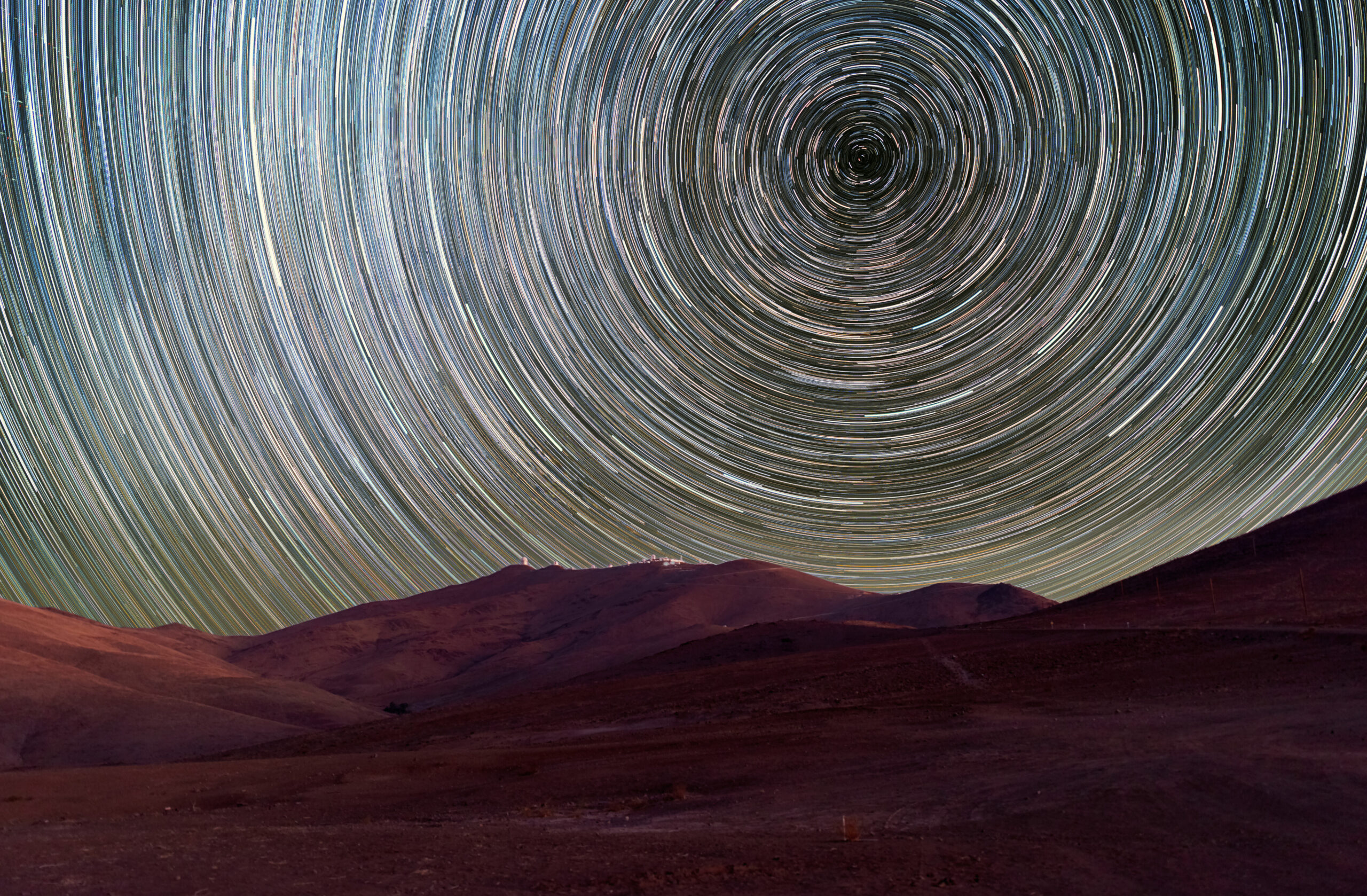
Thirteen signs bring thirteen directives, from Aries—Dare to Pisces—Surrender, including Ophiuchus—Contain. The Sun asks: what kind of pressure shapes this scene?
The thirteen-part story dares, steadies, notices, feels, radiates, refines, balances, penetrates, contains, seeks, endures, reimagines, and finally surrenders. The Scorpio–Scorpius–Ophiuchus passage remains distinct. Hover for a sign’s name and directive; select its icon to open the full reading.
The star trails record Earth’s rotation, not the Sun’s zodiac path. The photo brings the wider sky into view; the symbolic reading is GEOMYTHA’s.
The sky frames the when and how. The grammar below names what moves through a story.
The Sun marks the season. The Moon marks the phase.
Think of the time of year. GEOMYTHA might place an essay under Virgo · Refine. That gives us a question: What needs care, order, or change? It does not describe anyone’s personality.
The Moon moves through eight visible phases. GEOMYTHA gives each phase a verb and a directive. We use the phase on the publication date to ask what kind of action fits that moment. The date stays a fact. The reading gives it a theme.
Keep this in mind: the calendar helps us ask questions. It does not prove that the Sun or Moon causes events. It cannot predict your future or tell you who you are.
The underlying grammar
Mythic names and grammatical functions stay together.
Geomytha reads a recurring sentence beneath the stories: IS → AM → I → THIS. Isis names FIELD / IS; Osiris names REFLECTION / AM; Set names CLAIM / I; Horus names IDENTITY / THIS.
The grammatical terms do not replace the mythic figures. They make the functions visible enough to compare across otherwise unrelated stories.
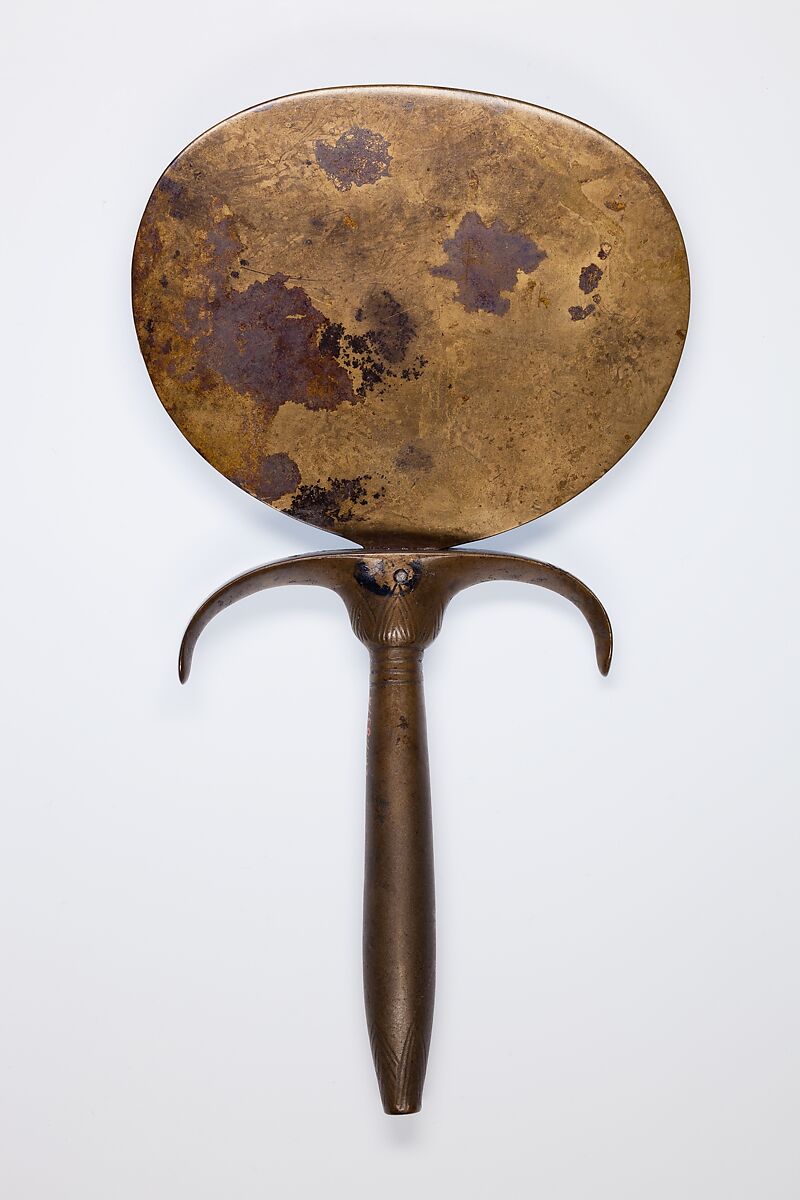
Think of a mirror. A face appears. You say, “That’s me.” You may start to treat that image as your whole self. GEOMYTHA uses four names to follow the change: Isis — FIELD / IS, the space that holds what appears; Osiris — REFLECTION / AM, the image that appears; Set — CLAIM / I, the move that says “mine”; and Horus — IDENTITY / THIS, the form that takes hold. These are roles in the GEOMYTHA reading. They do not replace the many meanings these figures have in Egyptian history and religion.
These are analogues, not fixed equivalences: each image shows the same grammatical motion at a different scale.
Read the essay. Follow the pattern. Check the sources.
Start with the essay. You do not need to know the system to enjoy it. If you want more, the reading strip shows the pattern. The Index helps you find works and symbols. The Encyclopedia explains patterns that appear in many stories. Sources link to the texts, records, and research behind the facts.
Claim Hardening into Identity · Return by Surrender · Map Replacing Territory