Portable Sacred
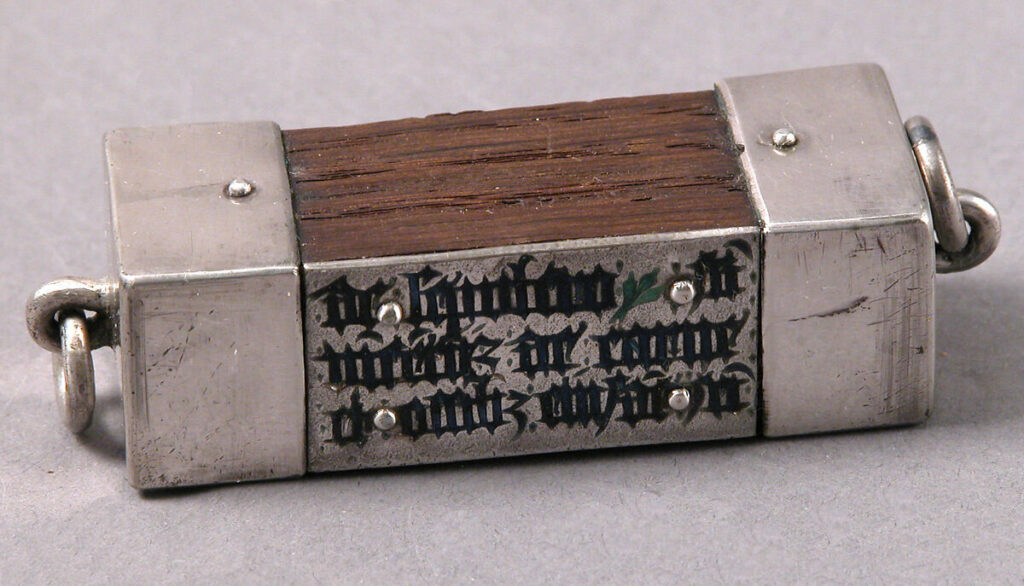
Public references and limits:
Exodus 25:10–22 provides an explicit portable-object comparison. The project’s mechanism must preserve the difference between a community’s ritual object and an abstract, universal idea of sacredness.
Geomytha uses portable sacred for forms that carry place-memory, source-memory, and communal relation through rupture.
It explains how relation to source can survive displacement by becoming carriable.
Sacred continuity leaves a fixed external center and is borne through a vessel capable of movement and regathering.
A portable object can preserve relation or become a controlling relic. Follow who carries it, what practices survive and whose history is excluded. Mobility by itself proves neither continuity nor the transfer of sacred authority.
This entry’s name and mechanism belong to GEOMYTHA’s framework. The linked primary works are independent comparison witnesses, not evidence that the GEOMYTHA term originated in their cultures. Specific comparison references: Exodus 25 — Ark, sanctuary and carrying poles. The original work, a later translation, a catalogue record and an extant manuscript are different kinds of evidence. The oldest surviving witnesses of the comparison traditions are not established by this entry.
Portability does not make an object inherently sacred, nor does every religious object function as displaced sacred center.
Do not confuse portability with commodification; the mechanism concerns continuity under rupture, not merely mobility.
Where this mechanism appears
Explore the essays and Index entries linked to this mechanism.
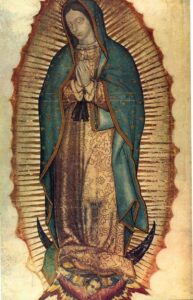
Follow the mechanism
See also
 Living SymbolA living symbol is a form that continues to mediate depth, relation, and transformation rather than collapsing into a fixed shell or decorative sign.
 Sacred Land / Living KingdomSacred Land / Living Kingdom names the pattern in which land is treated not as passive territory but as a living field whose condition reflects the quality of relation and sovereignty.