Sacred Land / Living Kingdom
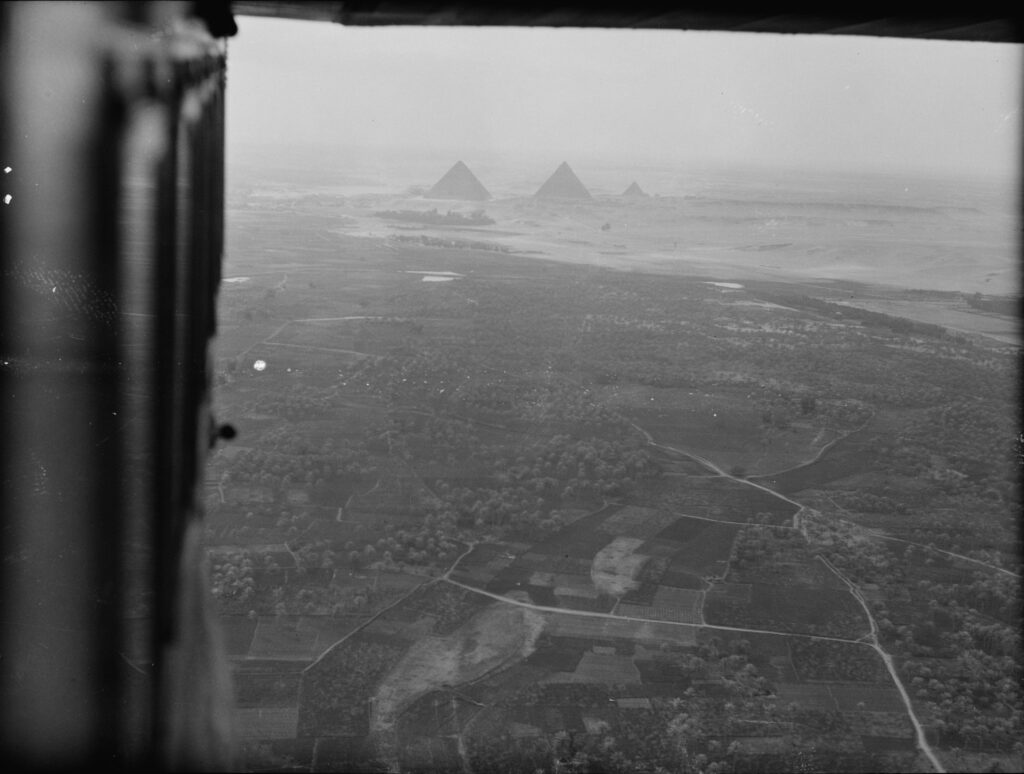
Public references and limits:
The Shire reference and Plato’s Atlantis give two fictional places with different histories. GEOMYTHA’s sacred-land reading is comparative; it must not erase differences between invented literature, actual communities and traditions of sovereignty.
Geomytha reads sacred-land traditions as reminders that sovereignty is derivative and answerable to a field it did not create.
It provides a structural link between field, rule, fertility, legitimacy, and the health or barrenness of a kingdom.
Is appears as living field; rightful reflection serves it, while claim attempts to own what should instead be related to.
Land can suffer through material policy and ecological harm, not a ruler's inward state. Preserve those causes and the tradition's specific religious claims. Symbolic correspondence must not replace environmental evidence or land rights.
This entry’s name and mechanism belong to GEOMYTHA’s framework. The linked primary works are independent comparison witnesses, not evidence that the GEOMYTHA term originated in their cultures. Specific comparison references: The Shire — Tolkien Letter to Milton Waldman — Tolkien Estate; Plato, Critias — Atlantis and the unfinished narrative. The original work, a later translation, a catalogue record and an extant manuscript are different kinds of evidence. The oldest surviving witnesses of the comparison traditions are not established by this entry.
This is a Geomytha comparative mechanism and should not be presented as the single historical meaning of land or sovereignty in Celtic, Arthurian, or other traditions.
Do not use sacred land to romanticize territorial ownership, nationalism, indigeneity, or political rule.
Where this mechanism appears
Explore the essays and Index entries linked to this mechanism.
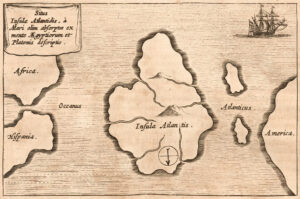 Atlantis — Plato’s Timaeus and CritiasPlato’s Timaeus and Critias are the classical literary sources for the Atlantis tradition. The dialogues present Atlantis as a lost polity in a narrative placed in the distant past; this record uses those passages…
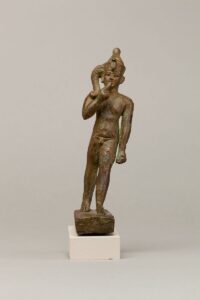 Double Crown of Upper and Lower Egypt — PschentThe Double Crown combines the White Crown associated with Upper Egypt and the Red Crown associated with Lower Egypt. It expresses kingship over both regions and also appears on deities. The selected Met figure…
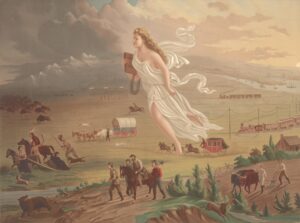 Manifest Destiny / American ProgressManifest Destiny was a nineteenth-century U.S. ideology used to justify and promote territorial expansion. John Gast’s American Progress visually allegorizes westward movement through a radiant female figure carrying signs of communication, settlement, and technological…
Follow the mechanism
See also
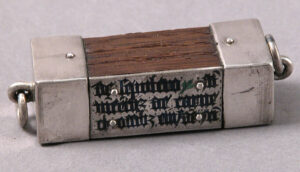 Portable SacredPortable Sacred names the transfer of sacred continuity into an image, text, object, body, story, or ritual form that can move when fixed places and institutions are broken.
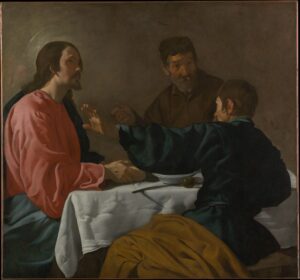 Recovered CenterRecovered Center names the restoration of right relation after fragmentation, when form becomes ordered around source without pretending to be source.