Recovered Center
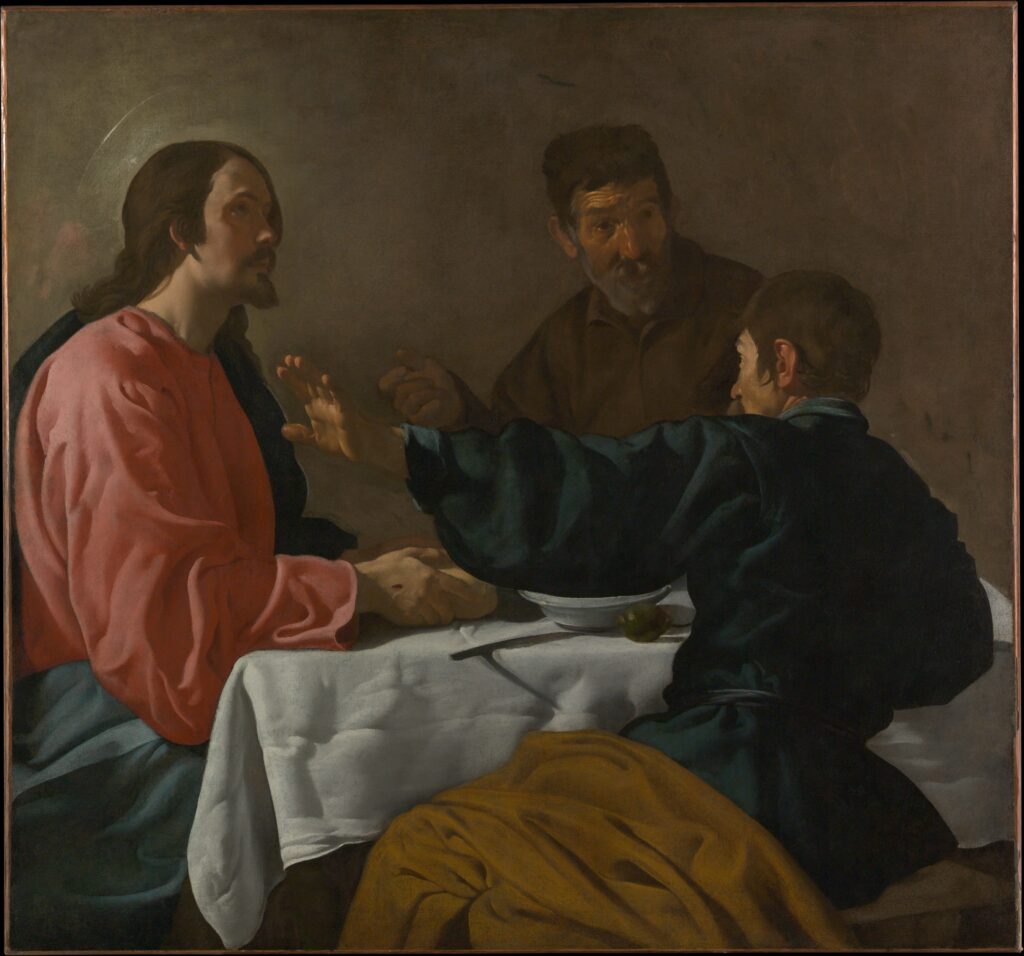
Public references and limits:
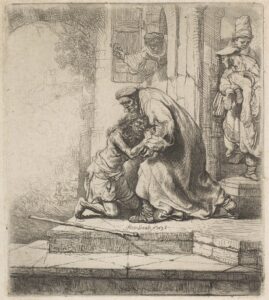
The return in Luke 15 and the Grail witness are separate images available for comparison. A recovered center needs a changed relation, not just possession of an impressive object or a successful return to status.
Geomytha uses the philosopher's stone, Grail, hidden word, true king, divine image, gathered spark, polished heart, and returned self as recurring images of recovered center.
It provides a positive counterpart to False Center: not the destruction of structure, but the re-centering of structure.
Fragmentation and false fixation dissolve; reflection is restored and can order form without domination.
A return to a center can restore an oppressive order. Test whether recovered order increases relation and accountability or reinstates a demand for obedience. Nostalgic restoration alone does not demonstrate a recovered center.
This entry’s name and mechanism belong to GEOMYTHA’s framework. The linked primary works are independent comparison witnesses, not evidence that the GEOMYTHA term originated in their cultures. Specific comparison references: Luke 15:11–32 — Parable of the Prodigal Son; Chrétien de Troyes, Conte du Graal — BnF manuscript witness. The original work, a later translation, a catalogue record and an extant manuscript are different kinds of evidence. The oldest surviving witnesses of the comparison traditions are not established by this entry.
These symbols are not historically identical; Geomytha groups them by shared structural function.
Do not turn recovery into a perfected identity or final possession. A recovered center remains relational, not self-crowning.
Where this mechanism appears
Explore the essays and Index entries linked to this mechanism.
 The Kingdom Searching for ItselfThe hidden kingdom is not found by claim. It appears when the claim goes quiet.
 Why The Wizard of Oz Is Really About IdentityNearly everyone remembers the ending of The Wizard of Oz. “There’s no place like home.” Few people stop to ask a more interesting question:…
 The Center That Does Not MoveMovement appears to be the opposite of stillness. Yet without stillness, movement becomes impossible. A wheel turns because something does not. The axle remains.…
 The Ring That Became a BoxThe boxer walks through an open crowd toward a brightly lit square. By the time he reaches the ropes, he has already stopped being…
 Liberty Is Not FreedomA person can have choices and still not be free. They can choose the city, the job, the partner, the religion, the platform, the…
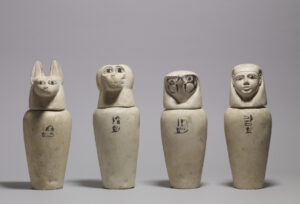 Four Directions and the Cross of ConsciousnessFour appears everywhere. Four seasons. Four directions. Four rivers flowing from Eden. Four elements. Four corners of the earth. Four winds. Four creatures surrounding…
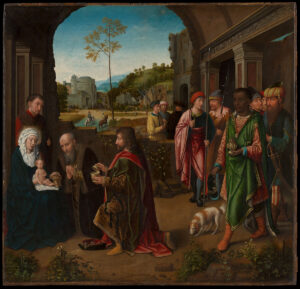 Why the Magi Followed a StarMost people remember the Wise Men. Few remember the thing they were following. The story is usually told as though the kings themselves are…
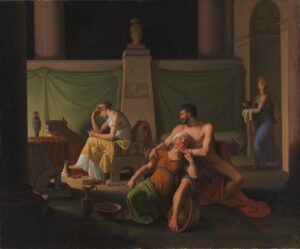 ReturnA fish does not know it is swimming in water. The water is too close. Too constant. Too complete. It surrounds the fish from…
Showing 8 most recent linked essays.
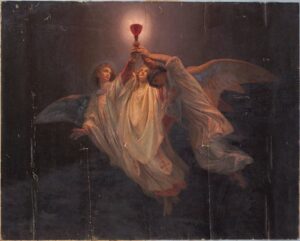 Holy Grail — Arthurian TraditionThe Grail enters the medieval Arthurian literary tradition prominently through Chrétien de Troyes’ Perceval and develops through later Grail romances and retellings. This record treats that literary genealogy as the documented source field.
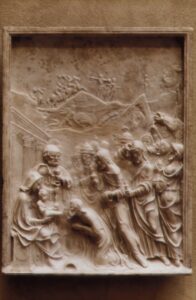 Magi and the Star — Matthew 2Matthew 2 describes Magi who see a star, travel to Judea, encounter Herod, and then find the child Jesus. Christian art developed a long Adoration of the Magi tradition around this episode.
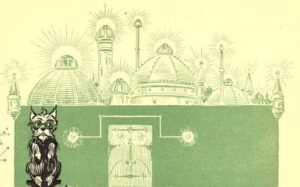 Oz and the Emerald City — The Wonderful Wizard of OzBaum’s The Wonderful Wizard of Oz sends Dorothy and her companions toward the Emerald City and the Wizard in search of help they believe lies at the destination. The first-edition text and illustrations provide…
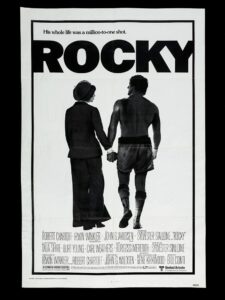 Rocky — 1976 FilmRocky (1976) was directed by John G. Avildsen from Sylvester Stallone’s screenplay. Rocky Balboa receives a chance to fight champion Apollo Creed. Before the bout he sets himself the goal of lasting fifteen rounds.…
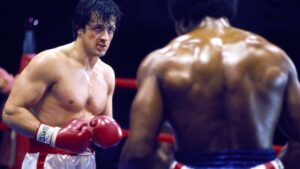 Rocky Balboa — RockyRocky Balboa, played by Sylvester Stallone, is a Philadelphia boxer chosen to challenge Apollo Creed in the 1976 film. His stated aim before the fight is to last the full bout rather than assume…
Follow the mechanism
Moves from
 WastelandWasteland names the condition in which desire, fear, image, identity, and becoming organize life so completely that presence feels dry, distant, or perpetually elsewhere.
 Closed System / Hidden TermA closed system achieves the appearance of completeness by excluding or minimizing something it cannot integrate; the excluded term remains active and returns as strain, contradiction, anomaly, backlash, or breakdown.
 Dismemberment / FragmentationDismemberment names the symbolic breaking of a previously integrated reflection into separate parts, roles, objects, or powers.
Moves into
 World-RepairWorld-Repair names the work of regathering relation, pattern, and presence inside a field that has been fractured rather than simply escaping the field.
 Identity Returning to Reflection — This → AmThis → Am is identity softening back into living reflection and relation.
 Return — RemembranceReturn names remembrance and release: the loosening of possession so reflection can become transparent to source again.
See also
 The Right QuestionThe right question interrupts misdirected seeking by asking what is actually sought, who is seeking, and what remains before the seeker-story begins.
 Return by SurrenderReturn occurs when possession loosens: identity, accumulation, projection, and world-system are no longer defended as self, allowing reflection to release back toward source rather than acquiring another form to claim.