Wasteland
Public references and limits:
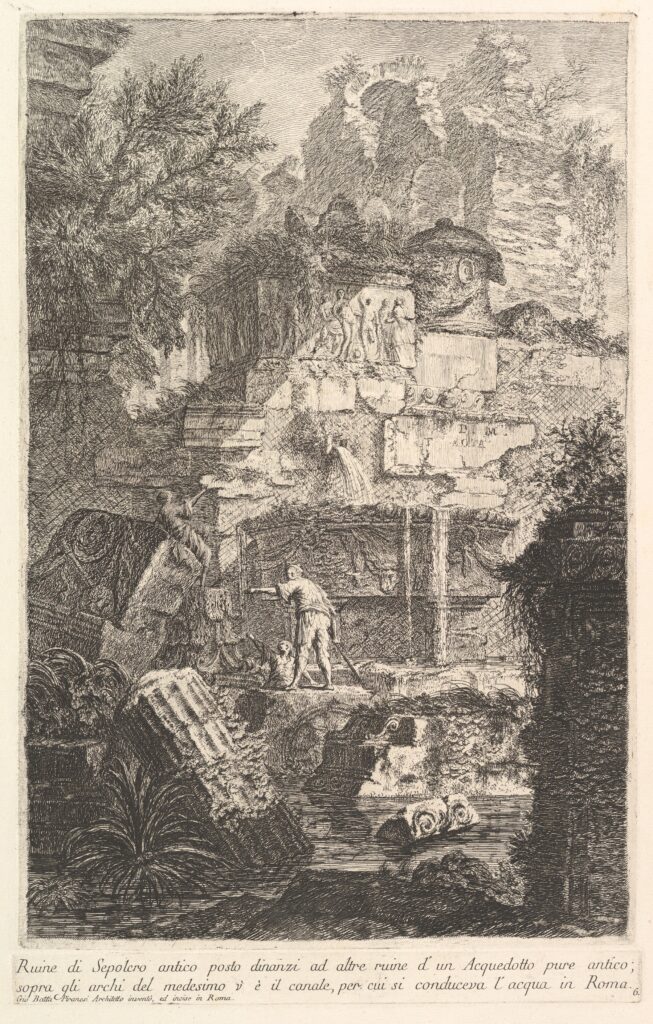
Henson’s desert is a documented modern setting. The medieval Grail references identify a different textual family. Locate the wounded-land motif in a particular romance before attributing it to every Grail version or treating every desert as spiritual failure.
Geomytha treats wasteland as a recurring symbolic condition rather than merely a literal ruined landscape.
It describes the experiential field produced when the center is mislocated into objects, roles, futures, or self-concepts.
This → These → All This can thicken into wasteland consciousness; corrective movement reopens reflection and presence.
Dryness can arise from deprivation, grief or environmental damage rather than an identity error. Preserve those explanations and do not blame suffering on a claimant. The motif fits only where the text shows relation subordinated to sterile becoming.
This entry’s name and mechanism belong to GEOMYTHA’s framework. The linked primary works are independent comparison witnesses, not evidence that the GEOMYTHA term originated in their cultures. Specific comparison references: Jim Henson’s A Tale of Sand — Jim Henson Company; Jim Henson’s Tale of Sand — published original screenplay edition; Chrétien de Troyes, Conte du Graal — BnF manuscript witness; Chrétien de Troyes, Conte du Graal — composition and copy dates. The original work, a later translation, a catalogue record and an extant manuscript are different kinds of evidence. The oldest surviving witnesses of the comparison traditions are not established by this entry.
The term is an internal interpretive mechanism and should not be presented as a clinical diagnosis or a universal reading of every wasteland myth.
Do not romanticize deprivation, trauma, depression, or material hardship by reducing them to symbolic dryness.
Where this mechanism appears
Explore the essays and Index entries linked to this mechanism.
 Enter Sandman: Why We Keep Running from SleepThere are few songs in popular music more misunderstood than Metallica’s Enter Sandman. It is usually heard as a song about nightmares. About monsters…
 The Man Already CondemnedThere is a peculiar kind of story that begins with a mistake. Not a mistake of action. A mistake of orientation. The hero believes…
 Enter Sandman — Metallica“Enter Sandman” is a Metallica song from the 1991 album Metallica, built around imagery of bedtime, sleep, fear, dreams, and the Sandman.
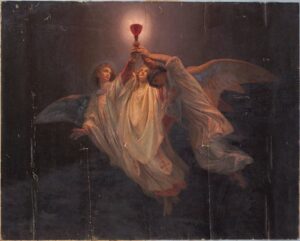 Holy Grail — Arthurian TraditionThe Grail enters the medieval Arthurian literary tradition prominently through Chrétien de Troyes’ Perceval and develops through later Grail romances and retellings. This record treats that literary genealogy as the documented source field.
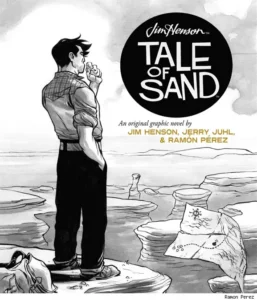 Jim Henson’s A Tale of SandA Tale of Sand originated as an unproduced feature-length screenplay developed by Jim Henson and Jerry Juhl and was later adapted as a graphic novel. Its central figure is sent running across a surreal…
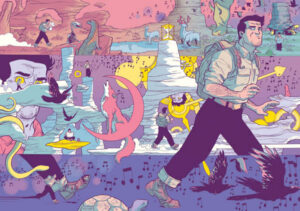 Mac — Jim Henson’s A Tale of SandMac is the central young man in A Tale of Sand, sent running through a surreal desert pursuit whose rules remain largely outside his understanding.
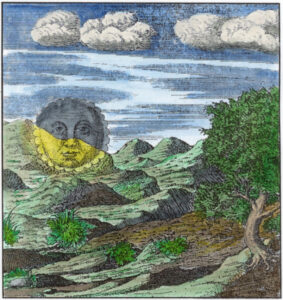 Nigredo — Alchemical BlackeningNigredo (“blackness” or blackening) is a recognized stage in historical alchemical colour sequences. Scholarship on late Renaissance chymistry lists nigredo alongside albedo, citrinitas, and rubedo, while manuscript traditions such as the Ripley Scrolls depict…
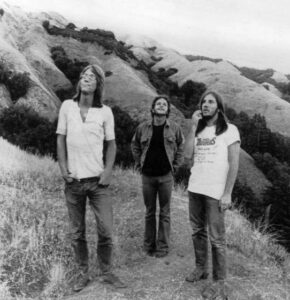 Sandman — America“Sandman” is a song on America’s debut album.
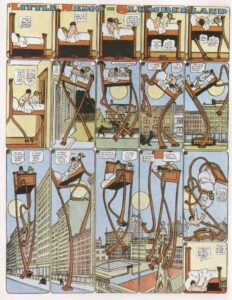 Sandman — Sleep / Surrender FigureThe Sandman is a sleep-associated figure with multiple European literary and folkloric forms. Hoffmann’s “The Sandman” preserves a dark literary version; later popular works reuse the name in different ways.
Follow the mechanism
Moves from
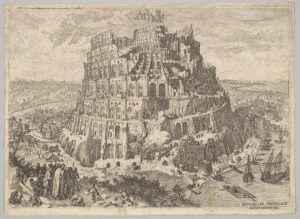 False CenterA false center forms when sovereignty is assigned to an object, role, institution, future state, identity, or projection that cannot actually serve as source.
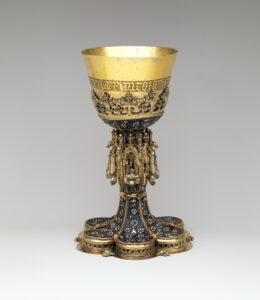 False Holy Object / Substitute GrailA substitute Grail is an object, status, identity, future, or achievement asked to deliver the wholeness that the object itself cannot supply.
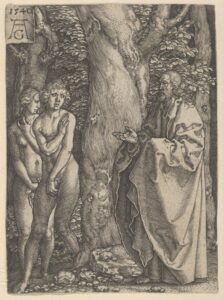 Counterfeit ParadiseCounterfeit Paradise is an engineered or idealized environment that promises escape from friction by making reality more responsive to preference, control, or fantasy.
Moves into
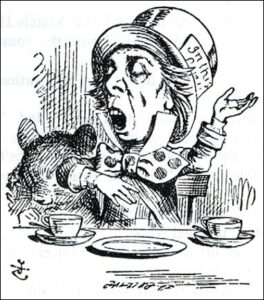 The Right QuestionThe right question interrupts misdirected seeking by asking what is actually sought, who is seeking, and what remains before the seeker-story begins.
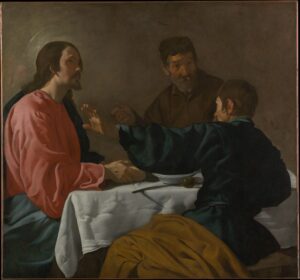 Recovered CenterRecovered Center names the restoration of right relation after fragmentation, when form becomes ordered around source without pretending to be source.
See also
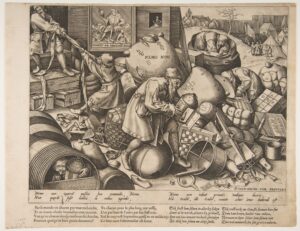 Manufactured LackManufactured Lack occurs when an existing human longing or unease is interpreted through a system that teaches the person what they supposedly lack and how that lack should be filled.
 False SacramentA False Sacrament is an object, purchase, reward, status, or mediated form asked to deliver a deeper condition of belonging, completion, beauty, safety, recognition, or transformation that it cannot finally confer.