Paid essay — public preview. This page introduces the original essay. The complete argument, examples, and conclusion are available to paid Geomytha subscribers on Substack.
In Geomytha, Ragnarok is not the end of reality. It is the collapse of a world built from fragmentationDismemberment / FragmentationDismemberment names the symbolic breaking of a previously integrated reflection into separate parts, roles, objects, or powers.Read full entry →.
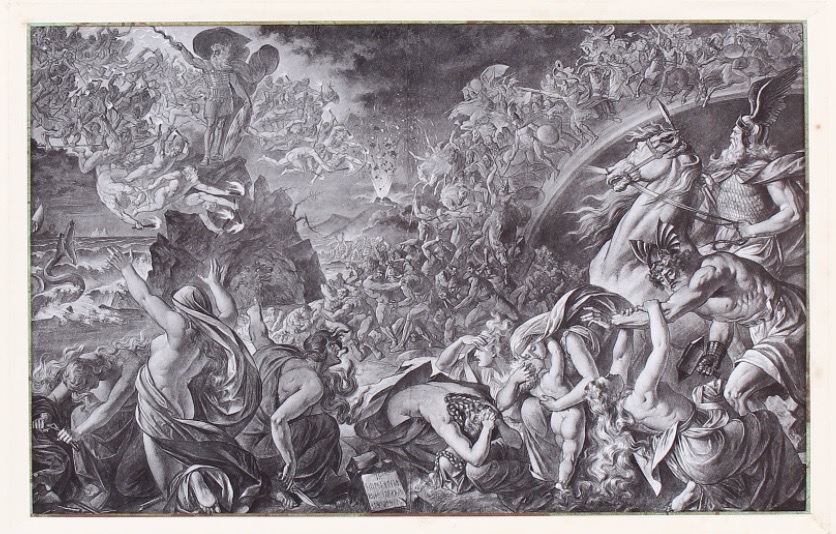
Norse myth is usually presented as one last cosmic brawl: wolves, serpents, giants, fire, and gods going down swinging.
Through Geomytha, Ragnarok means something deeper.
It is not simply the end of the world. It is the end of a world built out of division. It is the moment a reality organized by fragmentation can no longer pretend to be stable, sacred, or true. The structure finally reveals what it always was.
In Geomytha, apocalypse is not just destruction. It is disclosure.
The lie burns first.
The world was already broken at creation
Ragnarok is not a random disaster descending on…
Read the complete essay on Substack →
This WordPress page preserves the essay’s place in the Geomytha archive, its original title and subtitle, and its publication date. The full subscriber edition remains protected on Substack.