Last Quarter · Gemini — Return Through Noticing — Forgotten Inheritance: How the Search Conceals What Is Being Sought
A sailor crosses an ocean searching for a lost city.
A knight rides across kingdoms searching for a grail.
A pilgrim travels toward a holy land.
A mystic seeks enlightenment.
A treasure hunter searches for gold.
The stories differ.
The movement remains remarkably similar.
Something valuable has been lost.
Something important lies elsewhere.
Something essential waits at the end of the journey.
The assumption is always the same.
The kingdom is somewhere else.
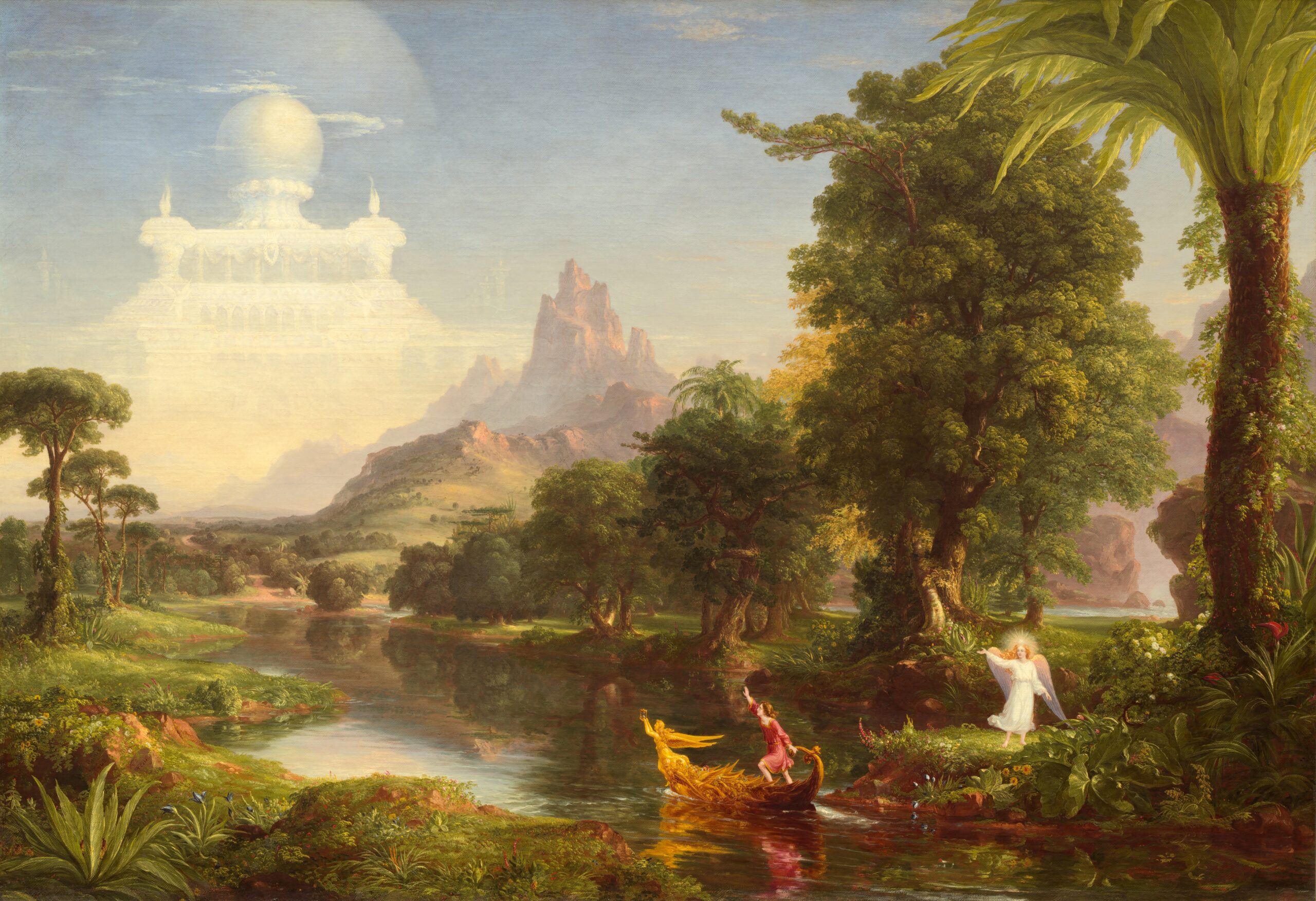
Human beings have given this kingdom many names.
Eden.
Atlantis.
Zion.
El Dorado.
Camelot.
Shambhala.
The names change.
The search remains.
The Shape of Homesickness
Every age inherits its own version of the story.
Some search for paradise.
Some search for wisdom.
Some search for truth.
Some search for freedom.
Some search for themselves.
The destination changes.
The homesickness does not.
The seeker feels that something essential has been misplaced. The world in front of him seems incomplete, fallen, exiled, corrupted, ordinary, insufficient. Somewhere else there must be a place where the split closes.
That feeling is not automatically false. A real loss may have happened. A home may be gone. A people may be displaced. A tradition may be broken. A person may be alienated from body, family, land, work, or meaning.
GEOMYTHA’s question begins one step later:
What happens when the search for restoration becomes a permanent structure of identity?
Leo and the Crown
The older draft of this article was written under a Leo frame, and the image still matters even though the later June 17 version moved into Gemini and Return.
A crown makes the kingdom visible.
It says: here is the center. Here is the one who represents the whole. Here is the place where scattered power becomes image.
That is the useful side of the crown.
The danger begins when the image of the kingdom becomes more important than the living relations that make a kingdom possible.
Then the crown is no longer a sign.
It becomes the object everyone must serve.
The Kingdom of Heaven
Christian language intensifies the problem because “kingdom” can name both political power and a radically different order of relation.
The New Testament does not reduce the Kingdom of God to a hidden geographical country waiting to be discovered by explorers. The language points toward divine rule, nearness, transformation, judgment, reversal, and a way of life that can already begin within the present world.
GEOMYTHA does not claim that Christianity secretly teaches its system. It notices the same pressure: the kingdom people expect somewhere else repeatedly appears as a demand on the way they see, act, receive, forgive, judge, and belong now.
The seeker wants coordinates.
The teaching keeps returning him to relation.
Zion and the Z-Question
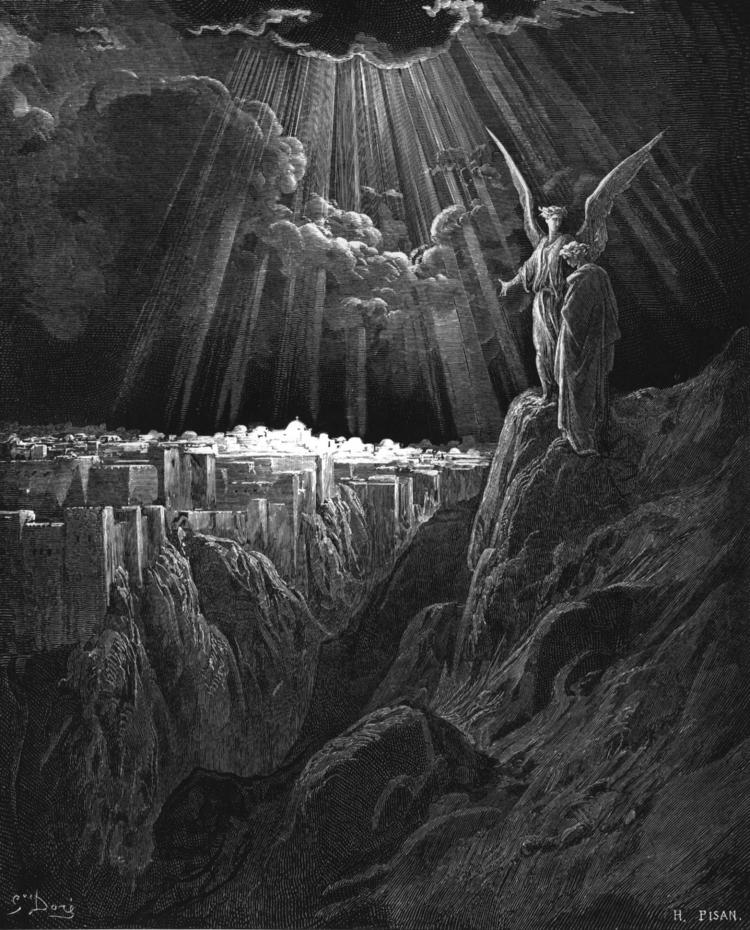
Zion is first a real historical and biblical place-name, and later a much larger religious symbol. GEOMYTHA must keep that history intact.
The symbolic question comes second.
What happens when a living hope becomes a destination the claimant must possess?
The holy city can become a mirror. The person imagines that completion waits on the other side of arrival: if I reach the place, inherit the land, enter the city, join the right community, recover the lost order, then I will finally be whole.
The danger is not loving a place.
The danger is asking the place to finish the self.
Atlantis
Plato’s Atlantis is a literary-philosophical story, not archaeological proof of a vanished technological civilization. That distinction matters.
Yet Atlantis became one of the West’s great lost-world images precisely because it carries the fantasy of a superior order that disappeared.
The modern seeker does not only look for ruins.
He looks for confirmation that the better world was once real—and therefore might be recoverable.
The lost city becomes a memory the present never personally possessed.
That is a powerful form of homesickness.
El Dorado
El Dorado shows what happens when the lost kingdom becomes treasure.
The search begins with a story of elsewhere and becomes extraction. Gold gives the dream weight. The kingdom can now be measured, seized, carried, priced.
This is the shadow of the quest: the seeker says he is looking for wonder, but the act of looking converts wonder into possession.
What was sacred because it could not be owned becomes valuable because it might be.
Camelot
Camelot gives the kingdom a moral face.
The Round Table promises order, fellowship, loyalty, courage, and a center around which different knights can gather.
But Arthurian literature repeatedly refuses to let the perfect court remain perfect. Desire, rivalry, secrecy, violence, divided loyalty, and the Grail quest expose fractures already inside the ideal.
The kingdom does not collapse because the ideal was meaningless.
It collapses because an image of wholeness cannot substitute for wholeness.
Oz
Oz turns the mechanism into children’s fantasy.
The road is visible. The destination shines. The city is green. The ruler appears powerful. Everyone on the road believes that something missing can be supplied at the end.
Then the journey keeps undoing the premise.
The Scarecrow already thinks. The Tin Woodman already loves. The Lion already acts courageously. Dorothy’s route home turns out not to depend on the great public image at the center.
The journey is still necessary.
But it reveals what the traveler was carrying.
The Grail Castle
The Grail gives the search a sharper test.
The object cannot simply be captured like ordinary treasure. The quest exposes the knight. The closer the seeker moves toward the sacred object, the less ordinary measures of status, strength, reputation, or possession can guarantee success.
The Grail is valuable precisely because the claimant cannot simply convert it into property.
The true quest keeps turning back on the quester.
Manifest Destiny
This is where the kingdom-search becomes politically dangerous.
A people can imagine that fulfillment waits somewhere ahead and then turn that imagined destination into entitlement to land, expansion, conversion, conquest, or removal.
Manifest Destiny is a documented nineteenth-century American ideology tied to continental expansion. GEOMYTHA uses it as a boundary case: the personal sentence “completion is over there” can scale into a national sentence with consequences for actual people.
The dream of the kingdom can become permission to take someone else’s world.
The Kingdom Searching for Itself
Now the title turns around.
What if the seeker is not an isolated self moving toward a separate kingdom?
What if the search itself is the kingdom trying to remember what has been divided?
This is not a historical claim about Eden, Atlantis, Zion, Camelot, Shambhala, Oz, or the Grail. It is the GEOMYTHA synthesis.
The recurring structure is familiar:
- wholeness is imagined as lost;
- the loss is projected elsewhere;
- the seeker forms around the absence;
- the journey gathers symbols, trials, enemies, helpers, and maps;
- the object of the search slowly reveals the structure of the seeker.
At the deepest point, the kingdom being searched for is what has been searching.
The journey does not prove that there was never anything outside us worth seeking.
It reveals that no external object can permanently solve the claimant that turns every object into the next condition for completion.
The Stress Test: Some Things Really Are Elsewhere
This idea becomes dangerous if it is used to deny material reality.
A refugee may genuinely need a safer country. A sick person may need treatment that is not inside them. A family may need housing. A prisoner may need release. A community may need political change. A student may need knowledge they do not yet possess.
“The kingdom is within” cannot become an excuse for ignoring actual deprivation, danger, injustice, or practical goals.
The distinction is simpler.
Seek what truly needs to be sought.
Do not ask the object to finish the claimant.
The Hidden Kingdom
The last movement is Return.
Not return to an untouched past.
Not possession of the lost city.
Not proof that the grail, homeland, enlightenment, treasure, perfect community, or final answer was secretly sitting inside the ego all along.
Return means the search stops being used to manufacture the seeker.
The sailor can cross the ocean without needing the ocean to confirm who he is.
The pilgrim can travel without turning arrival into superiority.
The knight can seek without demanding possession.
The mystic can practice without becoming “the enlightened one.”
The destination can be real without becoming the final sentence of identity.
The seeker does not find the kingdom.
The seeker is released by it.
Remember what was lost.
Notice what the search keeps asking the destination to provide.
Then return before the road becomes another way to say:
I will finally be whole when I get there.
Sources
- National Gallery of Art, Thomas Cole, The Voyage of Life: Youth (1842) — public-domain hero image and visual frame for the distant ideal.
- Genesis 2–3, Sefaria — primary text for Eden as biblical garden and expulsion narrative.
- Plato, Critias — classical source for Atlantis.
- L. Frank Baum, The Wonderful Wizard of Oz — primary literary source for Oz and the Emerald City.