Waning Gibbous · Gemini — ReleaseReturn — RemembranceReturn names remembrance and release: the loosening of possession so reflection can become transparent to source again.Read full entry → Through Noticing — Visible Walls: How the House Can Become the World We Mistake for Ourselves
A house can be a building.
It can also be a family.
A lineage.
An institution.
A scene of memory.
A place someone cannot leave.
That range is real before GEOMYTHA does anything with it.
The mistake in the older version of this essay was saying myth “almost always” uses houses as one symbolic structure.
It does not.
Different houses do different work.
That is exactly why they are worth comparing.
The House of Love and the Houses of the Holy
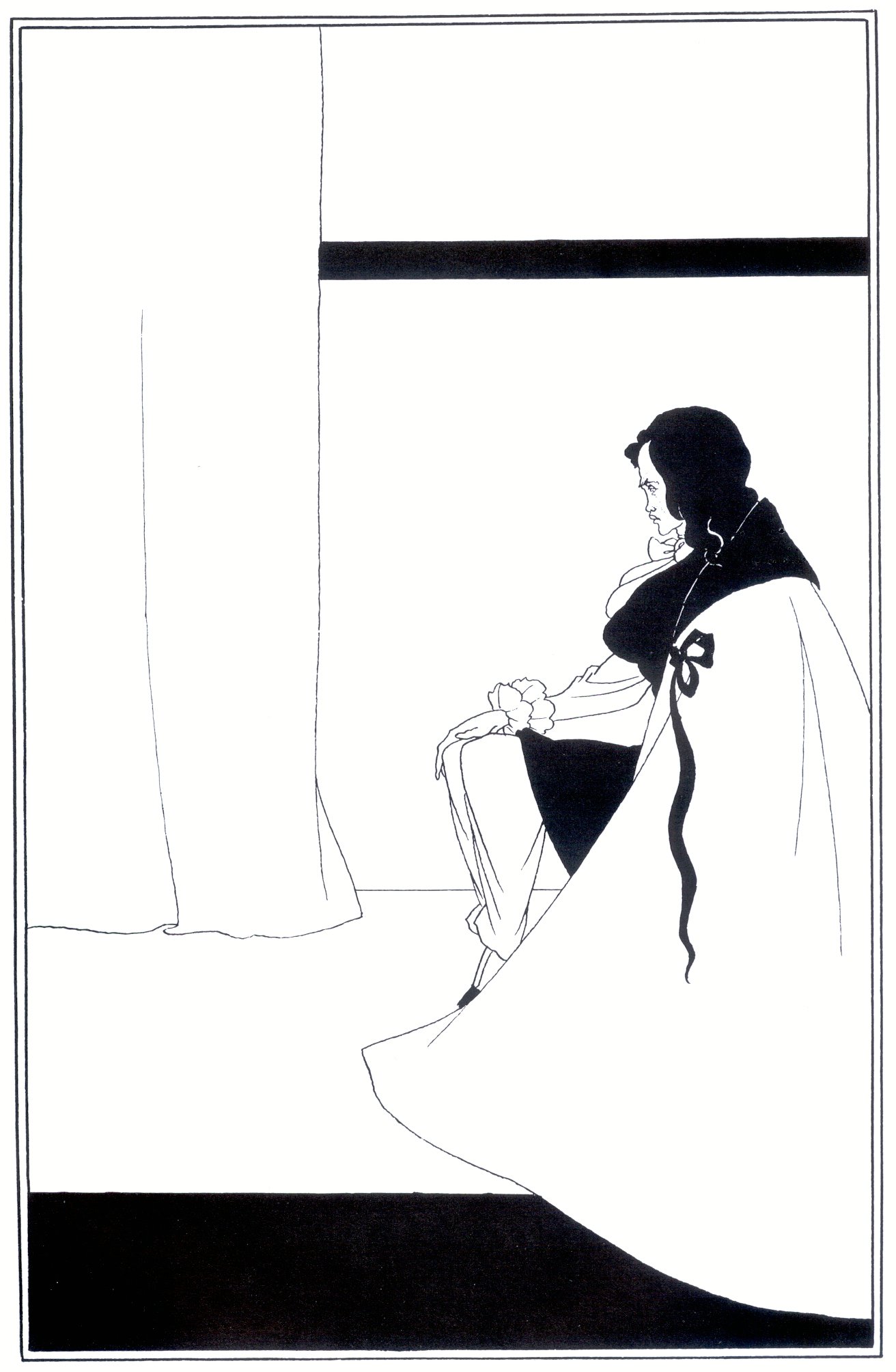
Visible Walls: How the Sacred House Becomes the World We Mistake for Ourselves
The Spy in the House of Love
The Doors recorded “The Spy” for Morrison Hotel, released in 1970.
The line at the center of this essay is brief:
“I’m a spy in the House of Love.”
The lyric does not need a hidden doctrine.
Its tension is already visible.
A spy belongs inside a place while remaining separate from the people inside it.
The spy participates enough to observe.
But observation is the job.
That makes the “house of love” unstable.
Intimacy is present.
So is surveillance.
GEOMYTHA uses that tension to ask:
what happens when the part of us that measures relationship starts replacing the relationship itself?
Participation and Observation Are Both Necessary
Observation is not the enemy.
A person needs reflection.
Relationships need boundaries.
Patterns have to be noticed.
Danger has to be recognized.
The problem begins when reflection never returns to participation.
Then every moment becomes data.
Was that sincere?
What did that tone mean?
What does this say about me?
What category does this relationship belong to?
The person remains in the house.
But stops living there.
Poe Makes the House and the Family Collapse Together
Edgar Allan Poe gives us a different house.
In The Fall of the House of Usher, “house” works on two levels at once.
There is the mansion.
There is also the Usher family line.
The building, the siblings, the ancestry, the atmosphere, and the decay become difficult to separate.
That is not a universal law of house symbolism.
It is something Poe deliberately makes true in this story.
And it gives GEOMYTHA a powerful model:
an inherited structure can become so fused with identity that the person cannot imagine surviving outside it.
The house holds the family.
The family also holds the house.
The House of the Rising Sun Refuses a Single Address
The traditional song “House of the Rising Sun” gives us the opposite lesson.
The song circulated long before the Animals made it famous in 1964.
The Library of Congress documents versions in the American folk tradition, including recordings gathered by Alan Lomax in 1937.
But the literal identity of the “house” remains uncertain.
Brothel?
Gambling house?
Prison?
A composite folk image?
The uncertainty is useful.
The song does not need a single verified street address for the house to function as a place of inherited ruin.
The house becomes the structure someone enters, suffers within, and warns another generation about.
That is not because “house” always means inherited pattern.
It is because this song makes the house carry that function.
Led Zeppelin Pluralizes the Holy
Led Zeppelin’s Houses of the Holy gives the phrase another turn.
The album appeared in 1973.
The song “Houses of the Holy” itself was released later on Physical Graffiti in 1975 after originating in the earlier album sessions.
That history matters because the phrase existed as an album-world before the song carrying the same title reached an album.
GEOMYTHA does not need to claim Robert Plant or Jimmy Page intended a metaphysics of scattered sanctity.
The title itself is enough for a symbolic question.
Not one house of the holy.
Houses.
Plural.
What happens when the sacred is no longer imagined as belonging to one building, one institution, one ritual center, or one authorized container?
That can mean liberation.
It can also mean proliferation.
Everything can start claiming sacred status.
From House to Institution
Ordinary language already lets “house” grow beyond architecture.
A royal house is a lineage.
A legislative house is an institution.
A household is a network of people, obligations, resources, memory, and authority.
That makes “house” useful for GEOMYTHA because a house is not only a wall.
It is a container that organizes relation.
Who belongs?
Who enters?
Who inherits?
Who watches?
Who has authority inside?
What behavior is normal here?
The house gives relation a shape.
The House Becomes “This”
GEOMYTHA’s root grammarFourfold Root / Eightfold ExtensionThe fourfold root explains the birth of identity; the eightfold extension explains what identity becomes and how it returns.Read full entry → is:
Is → Am → I → This.
A house can become “This” when the structure becomes identity.
This is my family.
This is my church.
This is my political house.
This is my scene.
This is where people like us belong.
Again, belonging is not the problem.
Human life needs containers.
The problem begins when the container becomes the proof of what the person is.
Then leaving the house can feel like ceasing to exist.
Waning Gibbous: Release the House Without Burning It
Waning Gibbous is Release.
That does not mean demolish every structure.
Release is not destruction.
It is loosening the claim.
You can love a family without making the family incapable of correction.
Belong to a church without turning membership into superiority.
Keep a home without asking the property to prove security forever.
Honor an inheritance without forcing the next generation to live in every room exactly as you did.
The house can remain.
The identity can loosen.
The Stress Test: Sometimes the House Is Just a House
This article fails if every building becomes a consciousness diagram.
Sometimes a house is setting.
Sometimes a songwriter chooses a phrase because it sounds good.
Sometimes an institution is called a house for ordinary historical reasons.
Symbolic interpretation has to earn itself in context.
That is why the examples in this article are not interchangeable.
The Doors give us intimacy under observation.
Poe gives us lineage fused with architecture.
The Rising Sun gives us a folk house whose precise address remains unstable while its inherited trap remains legible.
Led Zeppelin gives us a plural title that lets us ask what happens when sacredness no longer belongs to one container.
The mechanism appears only after the differences are preserved.
Visible Walls
A house becomes dangerous when its walls stop being visible.
Not the physical walls.
The relational ones.
The assumptions inherited with the room.
The roles no one remembers choosing.
The loyalties that cannot be questioned.
The identity that says leaving one structure means betraying the self.
Release begins when the wall becomes visible again.
Give thanks for the shelter. Notice the structure. Keep what still serves relation. Leave open a door where identity tried to build a wall.
Sources
- The Doors official discography — primary discographic sourceIs — SourceIs names unclaimed being: awareness before possession, distinction, or identity.Read full entry → for “The Spy” on Morrison Hotel (1970).
- Contemporary review archived by The Doors — documents the “house of love” lyric in discussion of “The Spy.”
- Led Zeppelin official discography and Physical Graffiti — documents Houses of the Holy (1973) and the later release of the song “Houses of the Holy” on Physical Graffiti (1975).
- Edgar Allan Poe, The Fall of the House of Usher — primary literary source for the house/family fusion.
- Library of Congress program note on “House of the Rising Sun” — documents the song’s folk history and unresolved literal identity of the house.
- Aubrey Beardsley, illustration for The Fall of the House of Usher, 1894–1895 — public-domain hero image.
