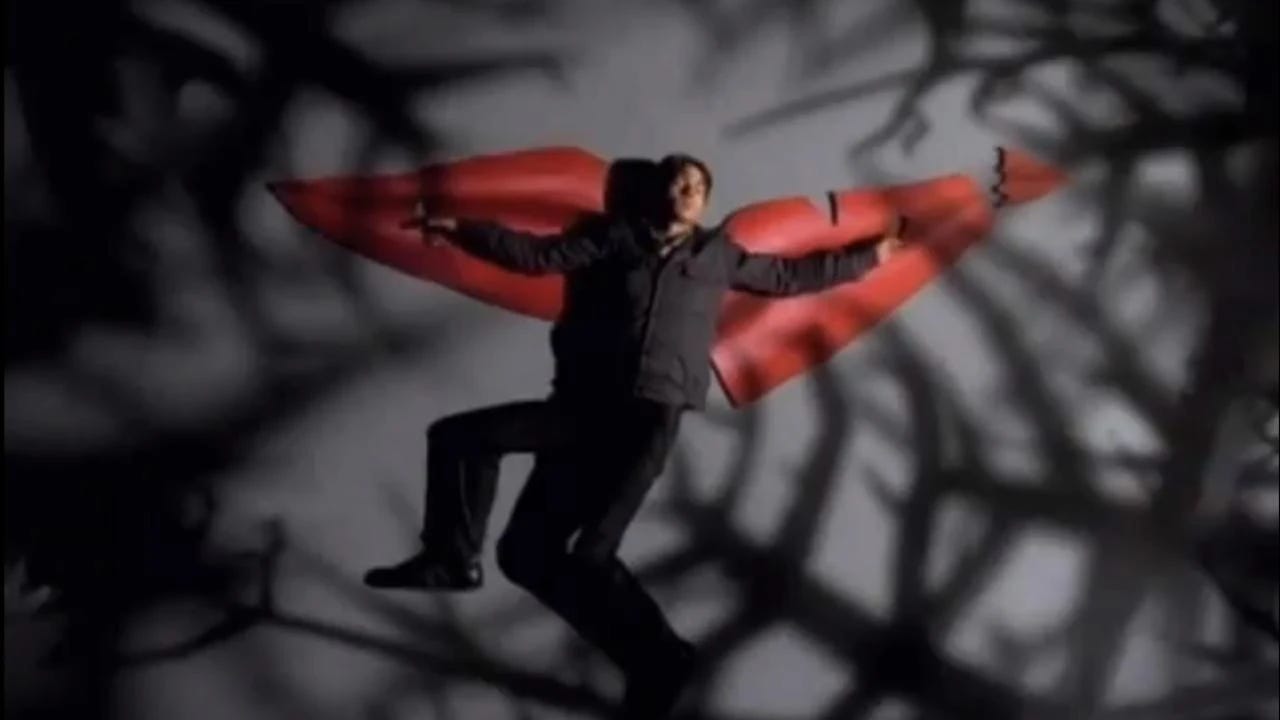
There are songs that feel less like entertainment and more like testimony.
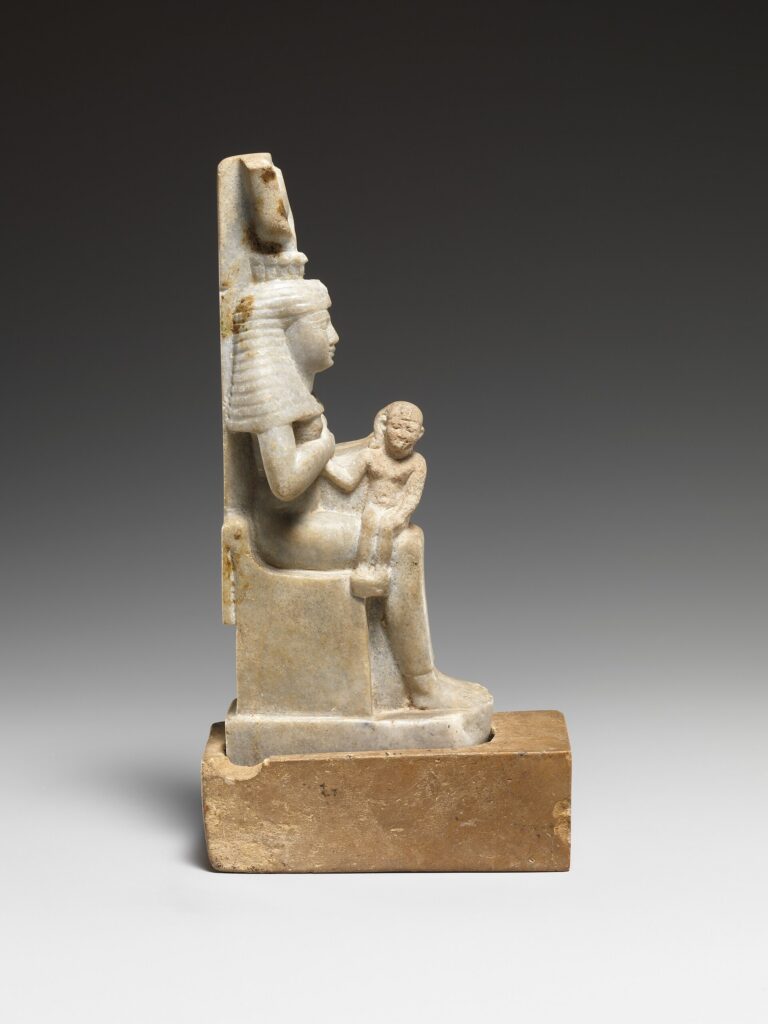
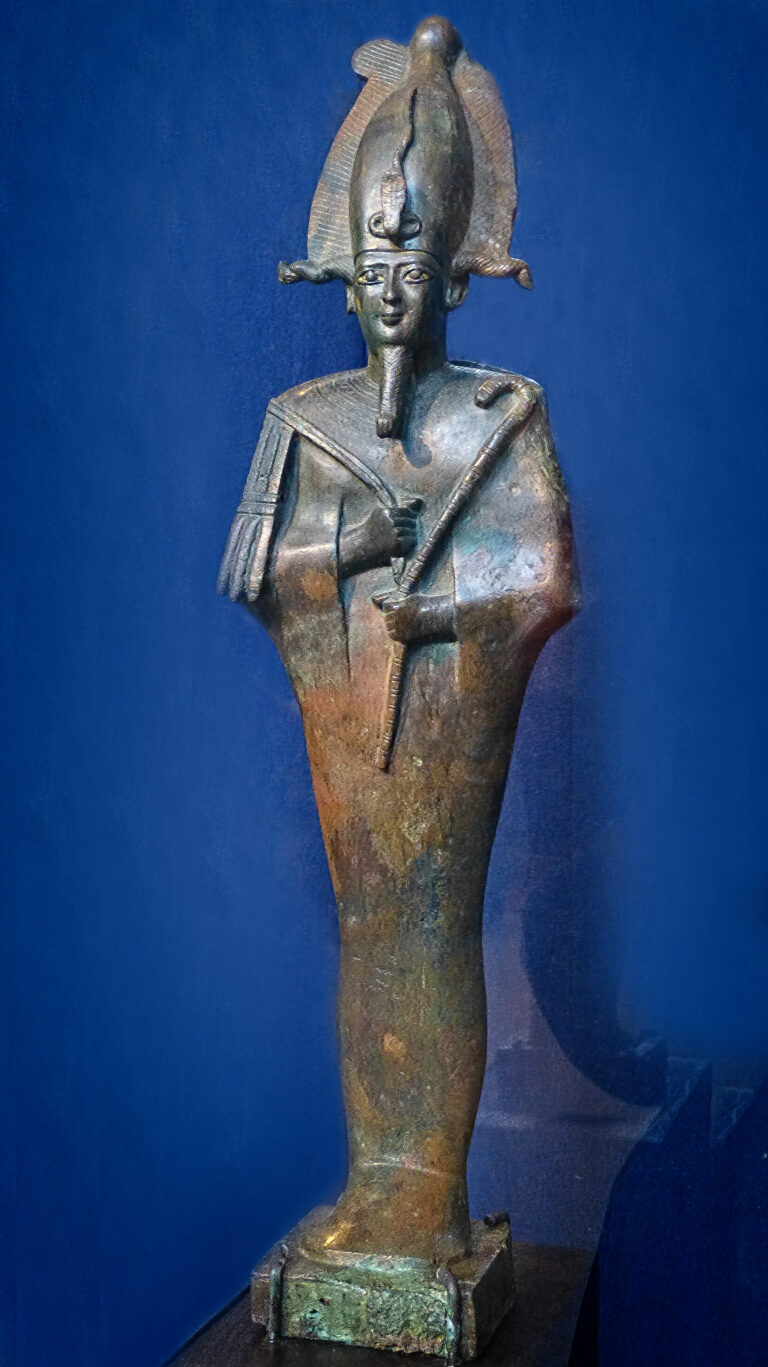
In Geomytha, “Otherside” reads as a first-person report from HorusHorusIn Geomytha, Horus names the identity that forms after claim: This — the body, role, image, wound, belief, or story taken as what the self is.Read full entry → (time-bound ego identityThis — IdentityThis names the formed identity: the body, role, image, wound, belief, or story claimed as what the self is.Read full entry →) describing what it is like to be driven by SetSetIn Geomytha, Set names the claimant: I — the interruption by which reflection is taken as mine and converted toward ownership.Read full entry → (imagination, compulsion, solar momentum), while still dimly remembering OsirisOsirisIn Geomytha, Osiris names reflected presence: Am — awareness reflected as living consciousness without yet becoming ownership.Read full entry → (reflective coherence) and longing—often without knowing how—for IsisIsisIn Geomytha, Isis names the unclaimed field: Is — pure being, awareness before possession, and the ground before the claimant appears.Read full entry → (direct presence).
This is not merely a “song about addiction.” In Geomytha, addiction is one of the clearest outer mirrors of the inner structure: attention gets hijacked, identity narrates the hijacking, the loop renews itself, and the witness remains just lucid enough to suffer the repetition.
1) The title is the bait: “the other side”
“The other side” sounds like relief—escape, resolution, a clean crossing.
In Geomytha, that promise can be the signature move of Set: placing salvation in a future state—later, after, once, when. The mind says, “One more cycle and I’ll be free.” That future-lean is not neutral. It is often the very mechanism that keeps attention bound to the wheel.
So the title has two simultaneous meanings:
Set’s “other side” (deferment): freedom is always just beyond the next turn.
Isis’s “other side” (immediacy): freedom is the moment attention stops feeding the turn.
2) The core engine is recurrence: relapse as the reincarnation loop
The emotional center of the song is cyclical. It does not describe a single fall; it describes patterned returnReturn — RemembranceReturn names remembrance and release: the loosening of possession so reflection can become transparent to source again.Read full entry →—a gravitational pull back into the same corridor.
In Geomytha terms, this is the reincarnation loop in miniature:
Presence is displaced.
Identity re-forms around the displacement.
The system repeats the very move it claims it wants to stop repeating.
This is why the refrain feels like an ouroboros. It is not just a chorus; it is the mechanism speaking out loud.
3) Set-language is “parasite voice”: compulsion narrating itself
Listen for the vocabulary of being taken over—pulled, driven, overridden, compelled. In Geomytha, that is Set’s grammar: the voice that speaks in inevitability and appetite while claiming it is “me.”
This is what makes “addiction” so revealing in the Geomytha map: it is an externalized form of the internal event where thought becomes governor instead of tool—and then explains its governance as personality, fate, or necessity.
The content can change (a substance, a habit, a relationship, a fixation). The architecture remains the same:
attention is extracted upward into narrative, and the body becomes a secondary witness.
4) Why it hurts: Horus is lucid, but cannot stabilize the crossing
The song carries a particular kind of suffering: the narrator is not entirely asleep. There is awareness.
In Geomytha, this is the signature torment of Horus: conscious enough to recognize the trap, yet still organized as the trapped one. That partial lucidity intensifies the pain because it produces a double-bind:
If I cannot see the trap, I repeat it unconsciously.
If I can see the trap but identify as the trapped, I repeat it consciously.
Either way, the loop remains intact until attention relocates out of the identity-narrative and back into presence.
5) The hidden instruction: crossing the real “other side”
In Geomytha, the true “other side” is not a future milestone. It is not earned by arguing with the mind, perfecting the story, or winning conceptual war.
It is crossed through a simpler—often more difficult—movement:
attention returns to Isis (direct presence) before Set can convert experience into narrative.
That does not mean suppressing thought. It means restoring thought to its proper role: instrument, not throne.
A practical Geomytha micro-practice (when the loop starts talking)
Name the mechanic (quietly): “Set is recruiting the future.”
Drop into sensation for 10 seconds: breath, feet, jaw, hands—anything immediate.
Refuse the bargain: do not negotiate with the storyline.
Choose one embodied action: water, a walk, a single task, a single page, a single call.
The “other side” is not reached by thinking harder. In Geomytha, it is reached when presence is restored as the primary jurisdiction—and imagination is returned to its rightful place: powerful, useful, and non-sovereign.
Closing: why this song matters
“Otherside” endures because it documents a truth most people recognize even if they cannot name it:
the battle is rarely between “good me” and “bad me.” It is between presence and the system that turns presence into time.
In Geomytha, that system is Set. The witness caught in it is Horus. The coherence remembered is Osiris. And the way home is Isis—now, not later.
Mythic Geometry Center
YouTube: Geomytha
X: mythicgeometry
Instagram: mythicgeometry
TikTok: Geomytha
Patreon: Geomytha Noir