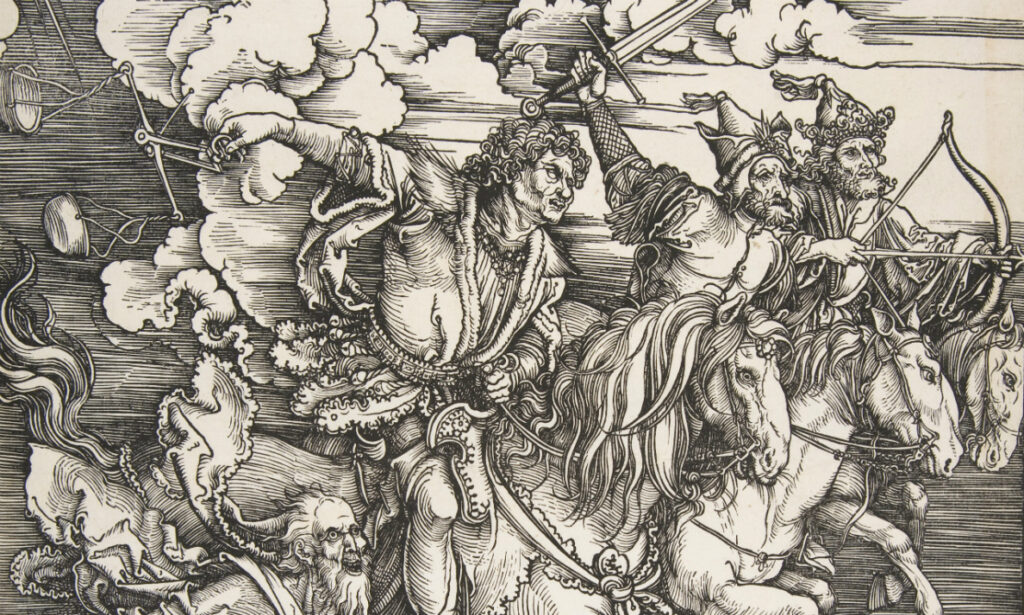
How the first six seals expose conquest, war, scarcity, and death-patterns in consciousness through the Geomytha lens.
RevelationRevelation — Book of RevelationThe final book of the Christian New Testament, also called the Apocalypse of John.Read full entry → 5 ended with the Lamb — “slain yet standing” — taking the sealed scroll from the One seated on the throne.
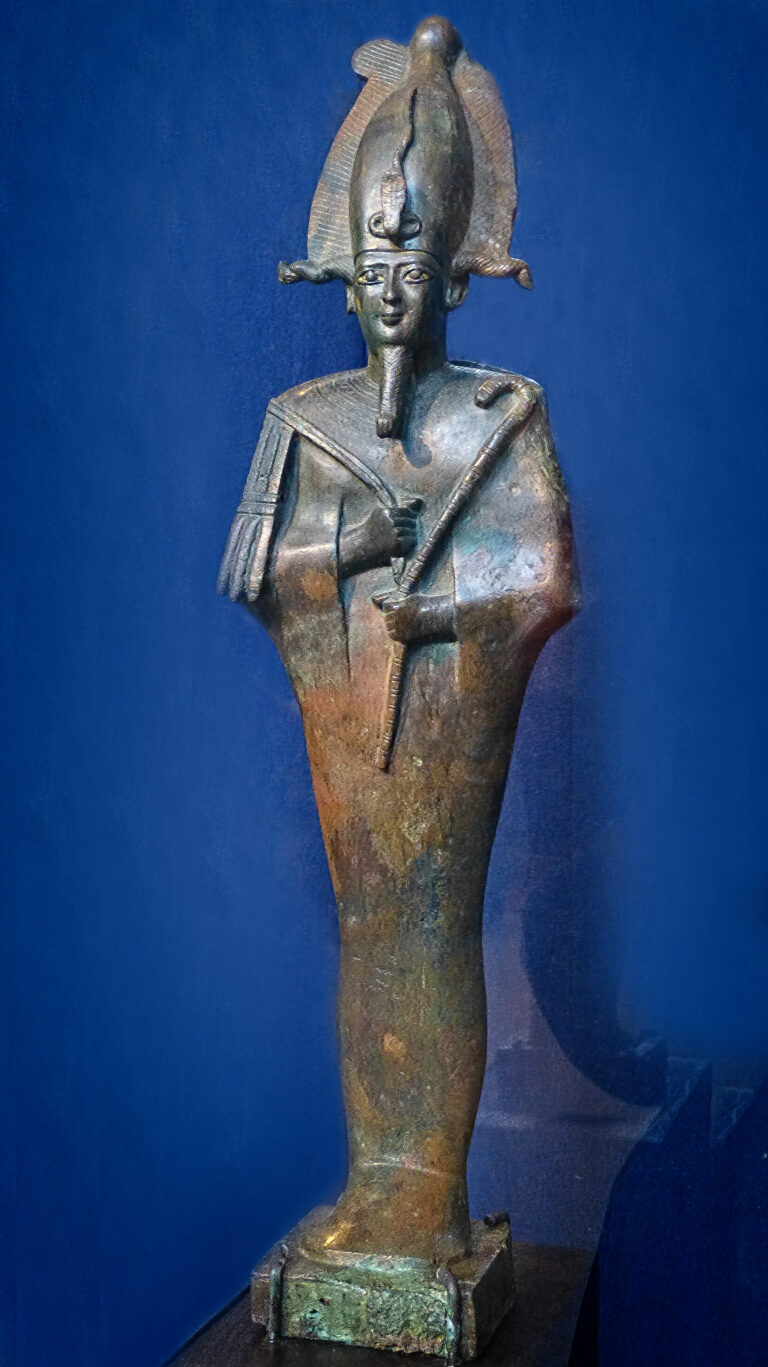
In Geomytha, that Lamb is the OsirisOsirisIn Geomytha, Osiris names reflected presence: Am — awareness reflected as living consciousness without yet becoming ownership.Read full entry →-function in its most awakened form:
fully acquainted with the wound,
still capable of clear seeing,
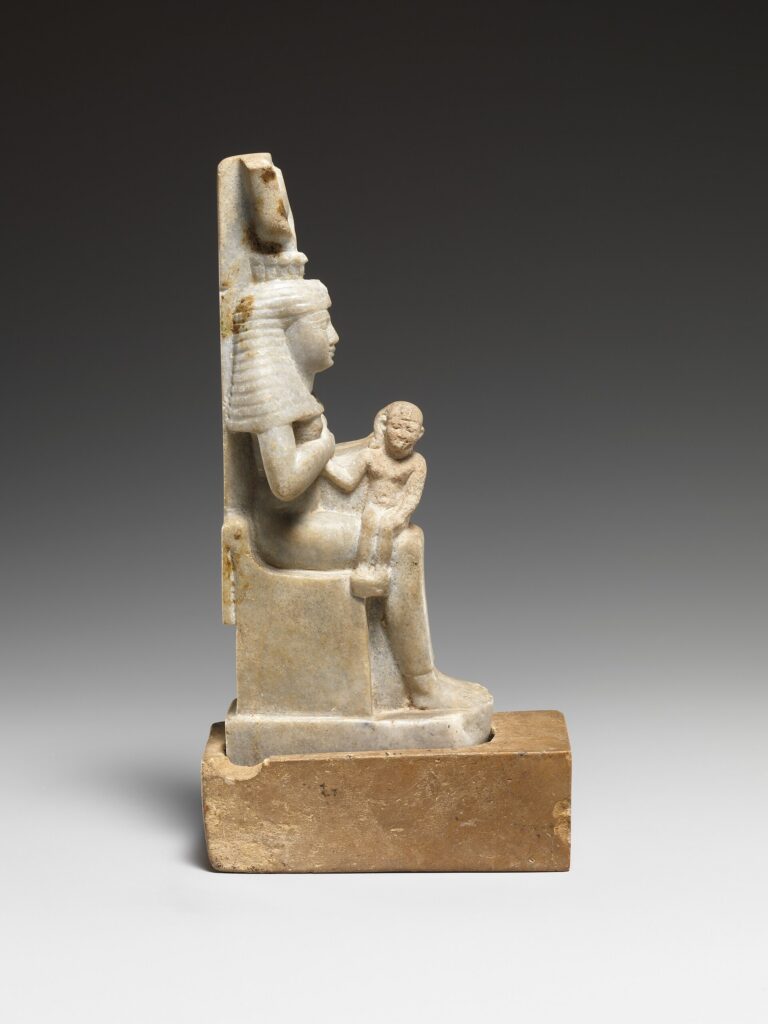
authorized by awareness (IsisIsisIn Geomytha, Isis names the unclaimed field: Is — pure being, awareness before possession, and the ground before the claimant appears.Read full entry →) to read the whole story SetSetIn Geomytha, Set names the claimant: I — the interruption by which reflection is taken as mine and converted toward ownership.Read full entry → has written.
In Revelation 6, the Lamb begins to open the seals.
What comes out are not random future disasters. They are the main operating modes by which Set’s solar imagination already runs your life and the world’s systems:
Conquest
War
Scarcity
Death-identification
Then two more seals:
Martyrs under the altar – sacrificed presence;
A cosmic crack in the sky – Set’s calendar tearing.
Through Geomytha, theseThese — AccumulationThese names accumulation: possessions, titles, achievements, beliefs, communities, and other extensions gathered around identity.Read full entry → are not external omens; they are ongoing functions inside consciousness that the Lamb finally exposes.
First Seal: The White Horse – Conquest and the Future-Rescue Story
“Now I watched when the Lamb opened one of the seven seals,
and I heard one of the four living creatures say with a voice like thunder, ‘Come!’
And I looked, and behold, a white horse! And its rider had a bow,
and a crown was given to him, and he came out conquering, and to conquer.” (Rev 6:1–2)
The white horse looks noble:
white (purity, righteousness),
bow (aim, focus),
crown (authority),
conquering (victory).
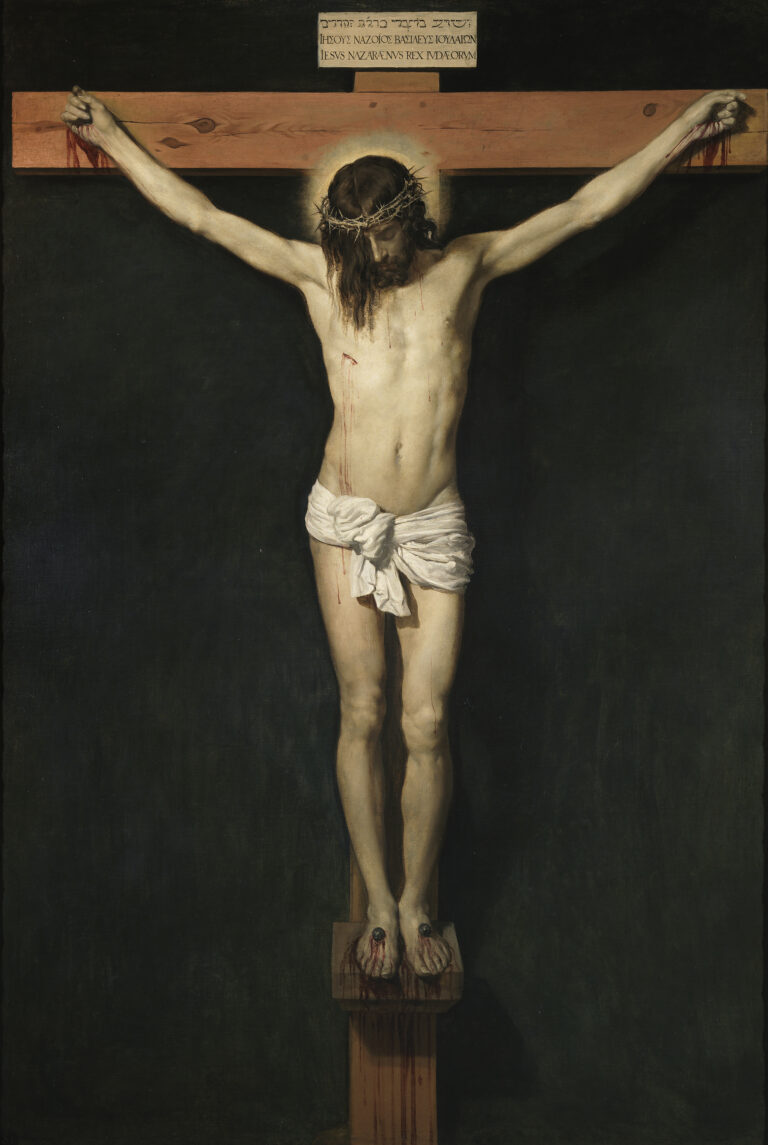
In more literal readings, this is often interpreted as ChristChristJesus Christ as the central figure of Christianity. Matthew 27 depicts the soldiers' mock coronation with a robe and crown of thorns before crucifixion; Philippians 2 describes Christ humbling himself and becoming…Read full entry →, the gospel, or a righteous empire.
In the Geomytha reading, tethered to the Lamb and scroll context, this is the first exposed pattern of Set:
The belief that your salvation lies in a future victory.
This is conquest-consciousness:
“Once I achieve X, I’ll be safe.”
“Once I win this argument, get this degree, defeat this enemy, finish this awakening, then my life will finally begin.”
It wears white because it presents itself as noble:
conquering “for God,” for truth, for family, for justice, for enlightenment.
But under it:
Set is pulling Osiris out of the present and projecting it into the future as a rescue fantasy.
HorusHorusIn Geomytha, Horus names the identity that forms after claim: This — the body, role, image, wound, belief, or story taken as what the self is.Read full entry → is constantly leaning forward, never allowed to rest.
The brother stories show this pattern:
Jacob believes his life will only be secure after he secures the birthright and blessing.
Joseph’s brothers imagine their security only after Joseph is removed.
Cain imagines that if the “problem” (Abel) is solved, his offering will implicitly be vindicated.
In each case, the white horse logic is operating:
“When I conquer this, then I will be real.”
Revelation 6 is not introducing this pattern; it is saying:
“Look. This is what has been riding you.”
Second Seal: The Red Horse – War and the Enemy-IdentityThis — IdentityThis names the formed identity: the body, role, image, wound, belief, or story claimed as what the self is.Read full entry →
“When he opened the second seal,
I heard the second living creature say, ‘Come!’
And out came another horse, bright red.
Its rider was permitted to take peace from the earth,
so that people should slay one another,
and he was given a great sword.” (Rev 6:3–4)
The red horse is the embodiment of war-consciousness:
It “takes peace” away.
Its whole function is to turn beings against one another.
The sword here is not surgical discernment; it is a weapon.
In Geomytha, this is Set’s division principle:
the reflex that needs an enemy for the ego to feel defined.
“Who am I?” becomes answered largely by “who I am against.”
You see this in every brother pair:
Cain vs. Abel: one’s existence becomes intolerable to the other.
Jacob vs. Esau: each is seen as a threat to the other’s place in the father’s favor.
Joseph vs. his brothers: Joseph’s dreams become a justification for the others’ hatred.
Wherever this horse rides in you, your inner script sounds like:
“If they did not exist, I could finally relax.”
“If this group, this person, this ex, this institution disappeared, then I’d be okay.”
The red horse doesn’t care whether the war is physical, verbal, emotional, or purely internal. Its aim is:
to keep Isis and Osiris from recognizing themselves on both sides.
as long as your identity is built on conflict, Set’s world has your full attention.
Third Seal: The Black Horse – Scarcity and the Economy of “Not Enough”
“When he opened the third seal,
I heard the third living creature say, ‘Come!’
And I looked, and behold, a black horse!
And its rider had a pair of scales in his hand.
And I heard what seemed to be a voice… saying,
‘A quart of wheat for a denarius, and three quarts of barley for a denarius,
and do not harm the oil and wine!’” (Rev 6:5–6)
The black horse carries scales. It is an accountant.
This is scarcity-consciousness:
everything weighed, measured, priced, rationed.
the fixation on whether there will be “enough”: enough food, money, time, love, success, forgiveness.
The quoted prices and the “do not harm the oil and wine” line emphasize:
a world where basic goods are squeezed,
luxuries protected,
inequality baked in,
In Geomytha terms:
the black horse sits deep in Set’s economic architecture.
It is responsible not only for literal financial anxiety, but for the subtle sense of existential lack:
“I am behind.”
“I am too late.”
“Everyone else is ahead of me.”
“There isn’t enough for me to be generous or rest.”
The brother stories are soaked in this logic:
Esau famously sells his birthright for a bowl of stew because hunger feels more “real” than inheritance in that moment.
Joseph’s brothers fear there will not be enough love or favor to include both Joseph and themselves.
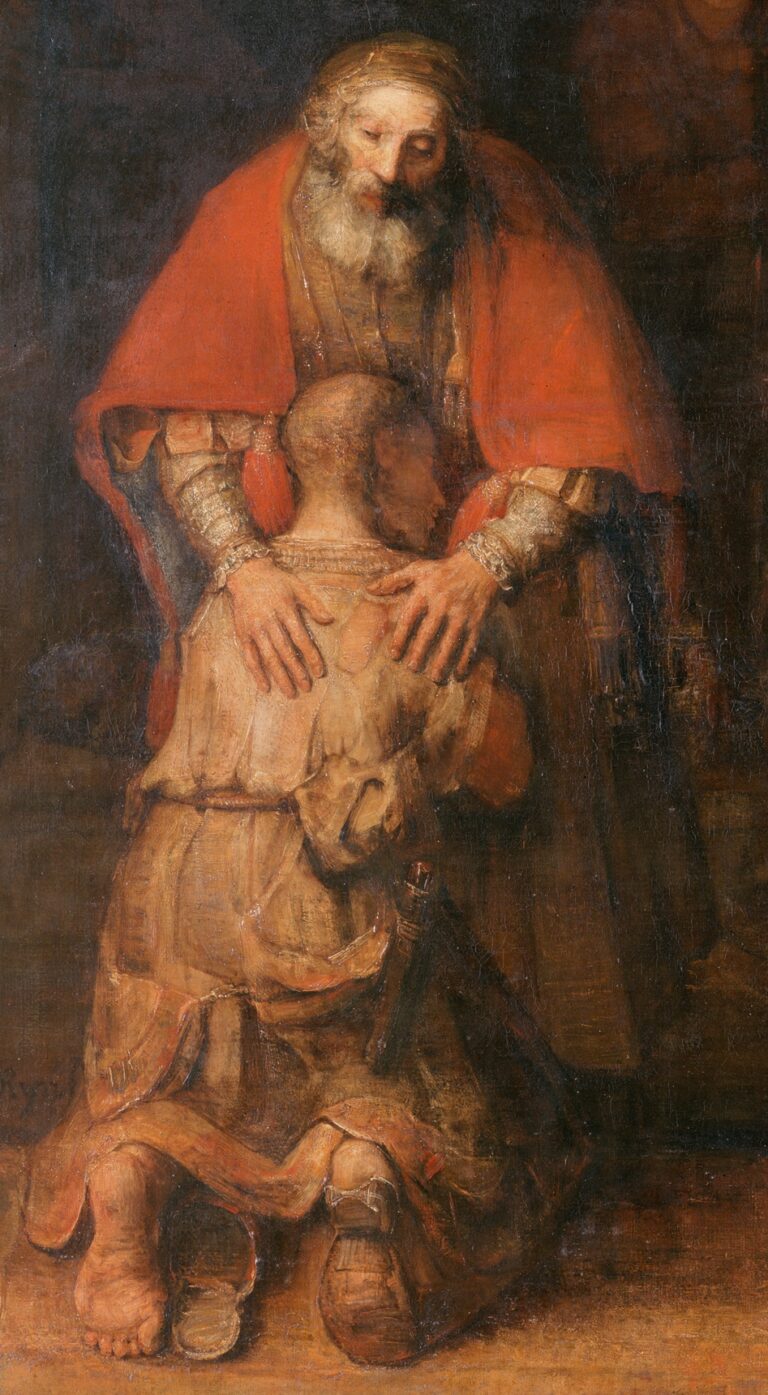
In the prodigal sonProdigal Son — Luke 15The Prodigal Son is the younger son in Luke 15:11–32 who asks for his share of the estate, leaves for a distant country, spends what he has, falls into need, comes to…Read full entry → parable, the older brother’s complaint is economic: “You never gave me a young goat… but you killed the fattened calf for him.”
In all of these, Set’s black horse whispers:
“There is not enough — of anything that matters. You must hoard, compete, and fear.”
Revelation 6 does not create that voice; it unmasks it.
Fourth Seal: The Pale Horse – Death as Identity
“When he opened the fourth seal,
I heard the voice of the fourth living creature say, ‘Come!’
And I looked, and behold, a pale horse!
And its rider’s name was Death, and HadesHades — Greek UnderworldThe underworld realm of ancient Greek myth, conventionally called Hades.Read full entry → followed him.
And they were given authority over a fourth of the earth,
to kill with sword and with famine and with pestilence and by wild beasts of the earth.” (Rev 6:7–8)
The pale horse — often rendered sickly, ashen, greenish — is the culmination of the first three.
Its rider’s name is simply Death, with Hades (the underworld) following.
In Geomytha, this is death-identification:
not just the fact that the body dies,
but the pervasive story that you are your biography, and that biography is racing toward annihilation or permanent judgment.
Conquest, war, and scarcity all aim toward this horse:
The white horse says: “Hurry, or you will die without having lived.”
The red horse says: “Fight, or you and yours will be destroyed by them.”
The black horse says: “Hoard, or there will not be enough to keep death away.”
The pale horse says:
“It is all death anyway: why not double down on the story or collapse into despair?”
In the brother stories, this is the point where:
Cain says, “My punishment is greater than I can bear,” and sees himself as permanently cursed.
Esau cries out, “Have you only one blessing?” and experiences himself as irreversibly supplanted.
Joseph’s brothers assume all that is left for them is retribution: “It may be that Joseph will hate us and pay us back.”
Death-identification is not realism. It is absolute conclusion:
“I am ruined.”
“It is too late.”
“Nothing good can come from this now.”
The pale horse writes thoseThose — ProjectionThose names projection: enemies, outsiders, competitors, threats, and disowned qualities placed beyond the identity boundary.Read full entry → sentences in your nervous system.
Fifth Seal: Martyrs Under the Altar – Sacrificed Presence
“When he opened the fifth seal,
I saw under the altar the souls of those who had been slain for the word of God and for the witness they had borne.
They cried out with a loud voice,
‘O Sovereign Lord… how long…?’” (Rev 6:9–10)
The fifth seal takes us from horses to an altar.
Under it lie the “souls” of those slain for the word and their witness.
At one level, this refers to literal martyrs. In Geomytha, the image also exposes a deeper pattern:
All the moments of presence sacrificed to Set’s systems.
Think of:
Children sacrificed to Moloch in the text — and children sacrificed to careers, ideologies, and addictions now.
Hours of life given up to pointless conflict, compulsive scrolling, or anxiously replaying scenarios in the mind.
Those sacrificed moments are your internal martyrs:
times when Isis and Osiris were present enough to “bear witness,”
and were nevertheless thrown under the altar of “how things are done.”
Their cry — “how long?” — is the deep intuition that something about this economy is fundamentally unjust.
They are told to rest a little longer, “until the number… should be complete” — a way of saying:
the sacrificial system must be seen in its full extent before it can be retired.
The Lamb is making sure the scroll not only records what happened, but how completely it has been playing out.
Sixth Seal: The Cracking Sky – Set’s Calendar Tears
“When he opened the sixth seal, I looked, and behold, there was a great earthquake,
and the sun became black as sackcloth, the full moon became like blood,
and the stars of the sky fell to the earth…
The sky vanished like a scroll that is being rolled up…” (Rev 6:12–14)
With the sixth seal, the stage itself starts to shake:
earthquake – the “ground” of reality trembles;
sun darkened – Set’s solar clock and its reassuring light fail;
moon turned to blood – Osiris’ cycle is no longer a gentle reflectionAm — ReflectionAm names reflected presence: awareness embodied or mirrored without yet becoming ownership.Read full entry →; it is a crisis;
stars falling – fixed points of orientation in the mental “sky” lose their places;
the sky rolling up – the entire framework of meaning withdraws.
In Geomytha, this is what happens when:
your inherited cosmology, your personal story, your social and religious maps
are no longer able to contain what you are seeing.
Set’s overarching calendar — the sense of “how things work” — begins to tear.
Every brother story has a version of this:
Cain is driven out and must live east of Eden with a mark; the world he knew is gone.
Jacob limps away from the Jabbok with a new name and cannot go back to being the old trickster.
Joseph’s famine forces the whole family system to reassemble in a new configuration.
When the sixth seal opens in your own life, it feels like:
“I don’t know what anything means anymore.”
“The beliefs that got me here no longer match my actual experience.”
“I’m not even sure what ‘God’ or ‘self’ or ‘world’ mean now.”
The text ends this section with people of every level hiding in caves, asking mountains to fall on them to hide them “from the face of him who is seated on the throne, and from the wrath of the Lamb” (Rev 6:16).
In Geomytha, that “wrath” is not vindictive anger; it is the intensity of reality breaking through illusion. It feels like wrath to the parts of you that are built on false premises.
How Revelation 6 Functions in Geomytha
Revelation 6 is not a catastrophe schedule. It is a diagnostic overlay on your inner life:
The white horse rides every time your value is projected into a future victory.
The red horse rides every time your identity is defined by who you’re against.
The black horse rides every time you live from “not enough.”
The pale horse rides every time you conclude your story is irreparably doomed.
The martyrs under the altar are every sacrificed moment of presence, honesty, and tenderness abandoned to “how things are done.”
The cracking sky is every crisis in which your inherited map fails and a deeper truth pushes through.
The Lamb opening the seals means:
The most wounded-yet-awake part of you
is now allowed to see these patterns clearly.
From a Geomytha practice angle, the next step is not to fear these horses more, but to withdraw consent from their automatic rule — the “reversal” work you’ve already begun:
from conquest to consent to the present,
from war to witnessing without enemy-identity,
from scarcity to sufficiency for the next honest step,
from death-identification to abiding as awareness of change, rather than as the story that ends.
Revelation 6 shows you the horses.
Later chapters will show what happens when they run unchecked at civilizational scale.
But all of that begins here, very personally, with a simple question:
“Which horse am I riding right now — and am I willing to climb down?”
X: @mythicgeometry · Substack: Geomytha Noir · YouTube: Geomytha · Instagram: @mythicgeometry · TikTok: @Geomytha · Patreon: GeomythaNoir