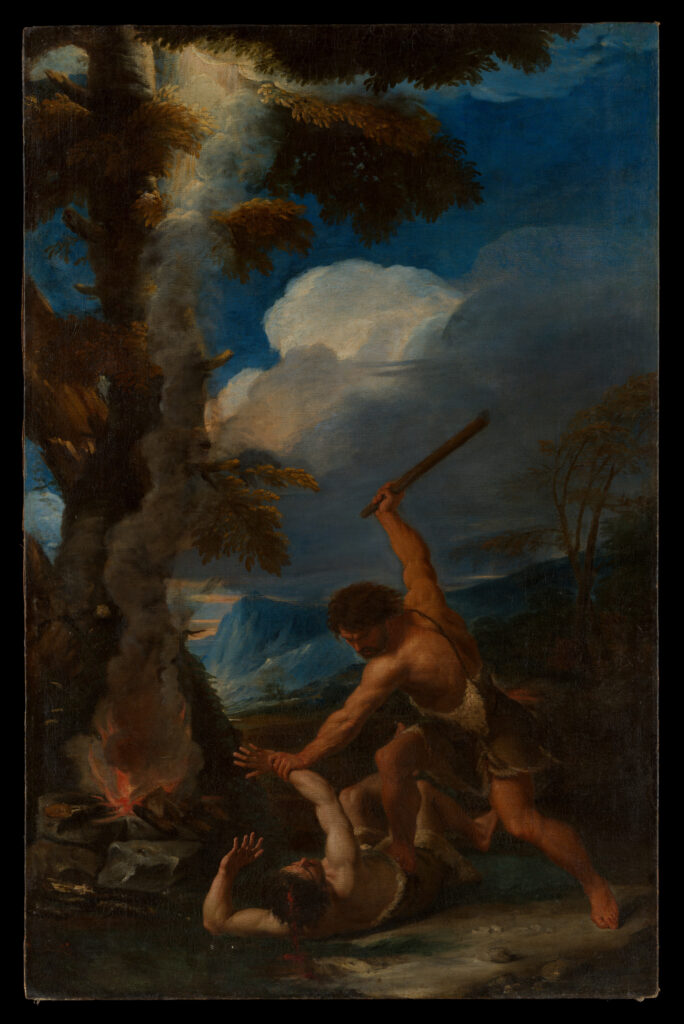
A child picks up a toy.
The toy has been sitting on the floor for hours.
No one cares about it.
No one notices it.
Then another child reaches toward it.
Suddenly the toy becomes important.
A new word appears.
Mine.
The argument begins.
The boundary appears.
The kingdom is born.
Most people assume civilizations begin with armies, kings, laws, or cities.
Yet the foundations appear much earlier.
Before nations.
Before religions.
Before empires.
Before property deeds.
Before borders.
There is a simple claimI — ClaimI names claim: the interruption by which reflected presence is taken as mine.Read full entry →.
Mine.
The first kingdom is not built from stone.
The first kingdom is built from possession.
This may be one of the least examined movements in human experience because it appears so ordinary.
Children learn it naturally.
Adults repeat it constantly.
The word becomes invisible through familiarity.
Yet entire civilizations may emerge from its logic.
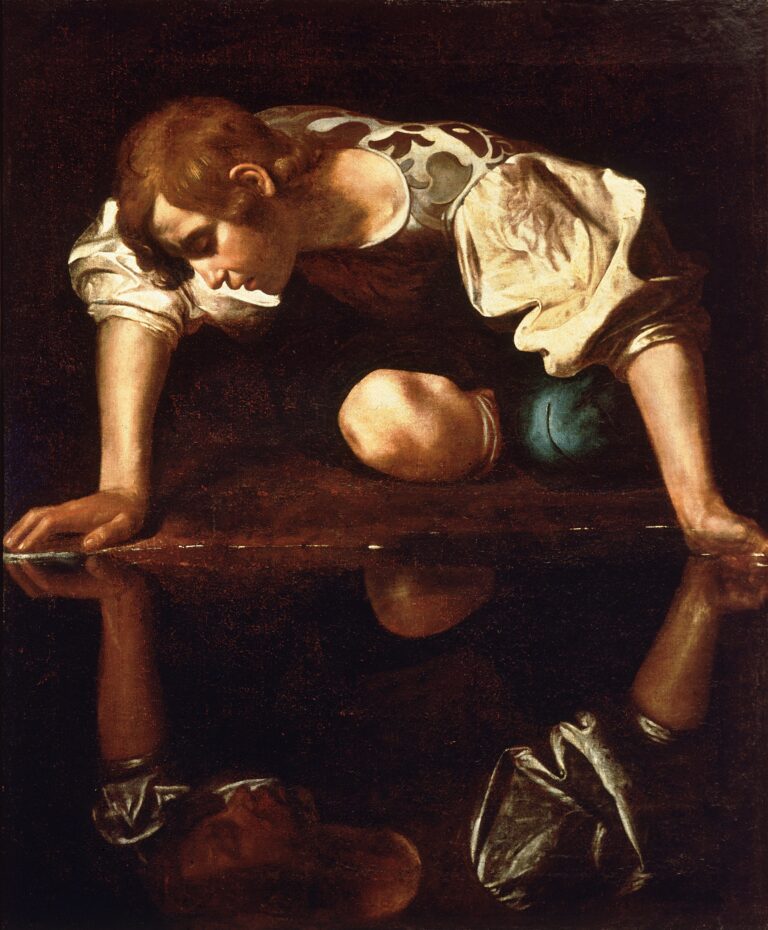
This series began with reflectionAm — ReflectionAm names reflected presence: awareness embodied or mirrored without yet becoming ownership.Read full entry →.
A reflection became an identityThis — IdentityThis names the formed identity: the body, role, image, wound, belief, or story claimed as what the self is.Read full entry →.
The sentence appeared:
I am thisThe False-Self Sentence — I Am ThisThe false-self sentence forms when claim joins reflection to a fixed object of identity: I am this.Read full entry →.
Identity formed.
A center emerged.
Yet identity alone is not enough to create a kingdom.
Something else must happen.
The identity must extend itself outward.
The next sentence appears.
These are mineThese — AccumulationThese names accumulation: possessions, titles, achievements, beliefs, communities, and other extensions gathered around identity.Read full entry →.
The world begins attaching itself to the self.
The movement seems harmless.
A toy.
A blanket.
A room.
A favorite object.
The child learns to distinguish between what belongs to them and what does not.
Nothing unusual has occurred.
The process is natural.
Yet within this simple movement lies the seed of every larger structure.
Possession creates boundaries.
Boundaries create territories.
Territories create kingdoms.
The pattern scales.
Ancient myths repeatedly returnReturn — RemembranceReturn names remembrance and release: the loosening of possession so reflection can become transparent to source again.Read full entry → to this mystery.
King Midas may be the clearest example.
Gold is not the problem.
Possession is not the problem.
The problem emerges when possession becomes identity.
The king no longer possesses the treasure.
The treasure begins possessing the king.
The kingdom reverses direction.
The owner becomes owned.
The same principle appears in countless stories.
Dragons sit atop mountains of gold.
Pirates search for treasure.
Kings defend crowns.
Misers count coins.
The symbols change.
The movement remains.
Possession seeks expansion.
A toy becomes a collection.
A collection becomes wealth.
Wealth becomes status.
Status becomes power.
The kingdom grows.
Soon possession extends beyond objects.
My house.
My family.
My reputation.
My beliefs.
My history.
My nation.
My religion.
My truth.
The grammar remains unchanged.
The scale increases.
This is why possession plays such a central role in the formation of kingdoms.
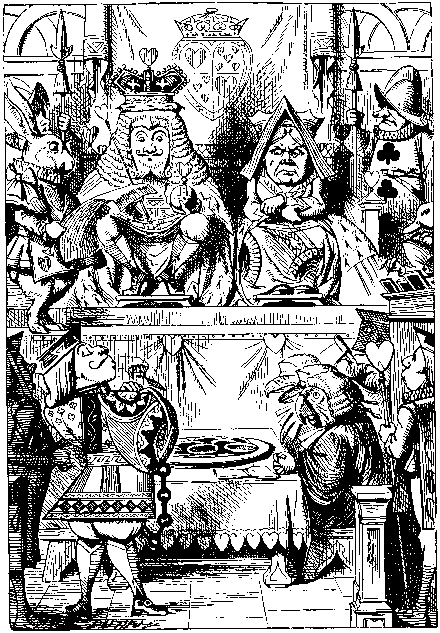
A crown is a possession.
A throne is a possession.
A territory is a possession.
The king says:
My kingdom.
Long before the kingdom says:
Our king.
The claim comes first.
The structure follows.
This movement explains something else.
The moment mine appears, another possibility appears.
Not mine.
The border is born.
Inside and outside emerge together.
Possession creates separation.
Separation creates comparison.
Comparison creates rivalry.
The road toward:
Those are notThose — ProjectionThose names projection: enemies, outsiders, competitors, threats, and disowned qualities placed beyond the identity boundary.Read full entry →
begins here.
The kingdom is already forming.
The same pattern appears in religion.
My doctrine.
My church.
My tradition.
My interpretation.
It appears in politics.
My party.
My movement.
My nation.
It appears in culture.
My people.
My language.
My history.
The forms differ.
The claim remains familiar.
Mine.
This does not mean possession is wrong.
A child needs a blanket.
A family needs a home.
A community needs shared structures.
The issue is not ownership.
The issue is identification.
Possessions become burdens when they stop being tools and begin functioning as identities.
The owner becomes inseparable from the owned.
This is why stories such as King Midas remain powerful.
The warning is not against gold.
The warning concerns confusion.
The possessor becomes possessed.
The kingdom captures the king.
Perhaps no modern image expresses this more clearly than Gollum.
His entire world contracts into a single phrase.
My precious.
The object becomes identity.
The identity becomes obsession.
The obsession becomes a kingdom.
A tiny kingdom.
A painful kingdom.
Yet a kingdom nonetheless.
The movement remains visible.
The first word after I is often mine.
The first kingdom is often a toy.
The first border is often a hand closing around an object.
The first conflict is often another hand reaching toward it.
The pattern appears small.
The consequences become enormous.
Empires emerge from the same logic.
Nations emerge from the same logic.
Civilizations emerge from the same logic.
The architecture grows upward from a simple claim.
Mine.
The return begins when the claim becomes visible.
Not because possessions disappear.
Not because ownership ends.
Not because kingdoms collapse.
The return begins because the kingdom is recognized at the moment of its birth.
A toy remains a toy.
A crown remains a crown.
A kingdom remains a kingdom.
The difference is subtle.
The claim is seen.
The possession loosens.
The owner stops becoming the owned.
And the first word after I loses some of its power to become an empire.