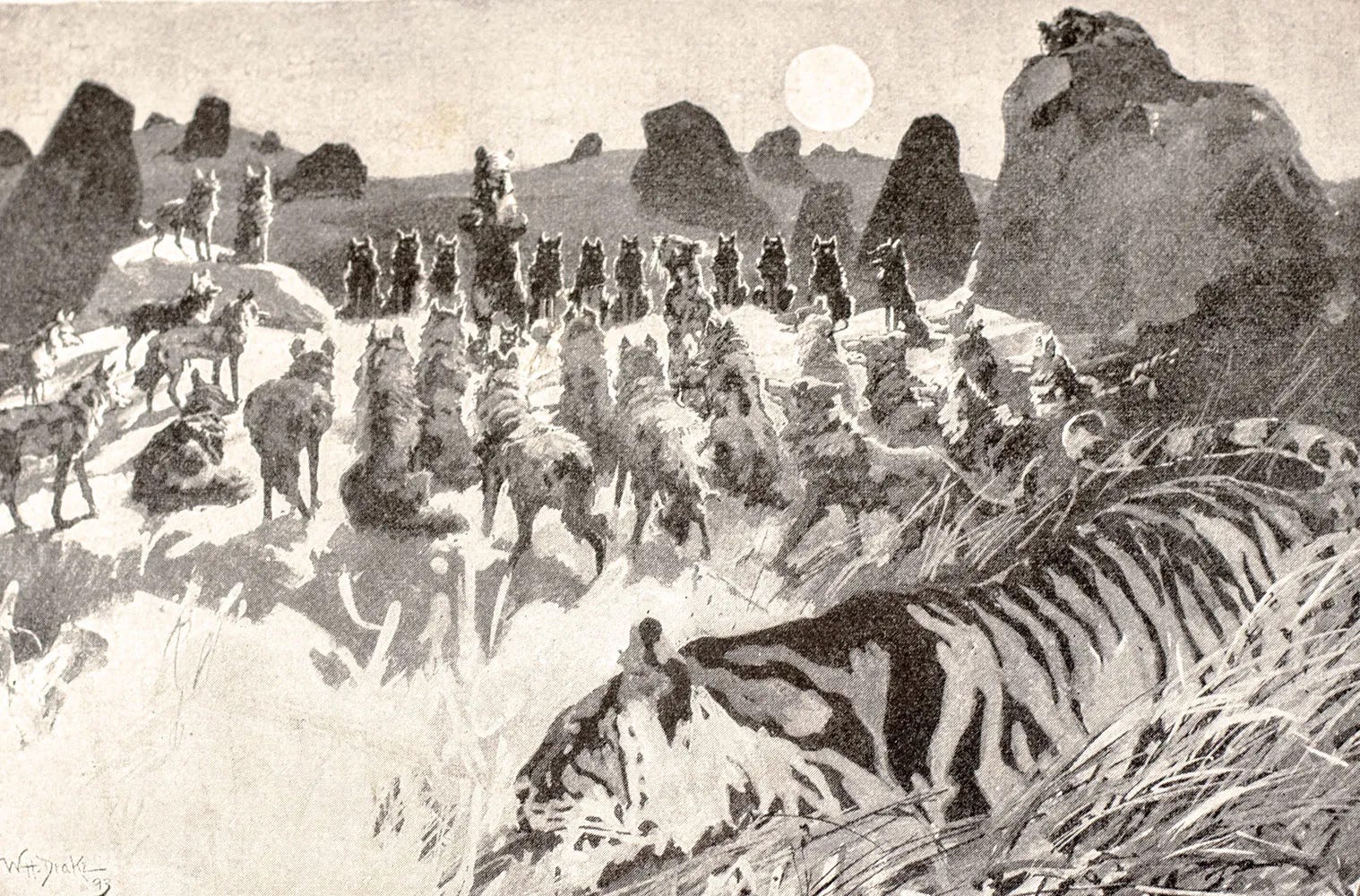
The Jungle Book as a Map of the “Becoming” Mechanism in Geomytha
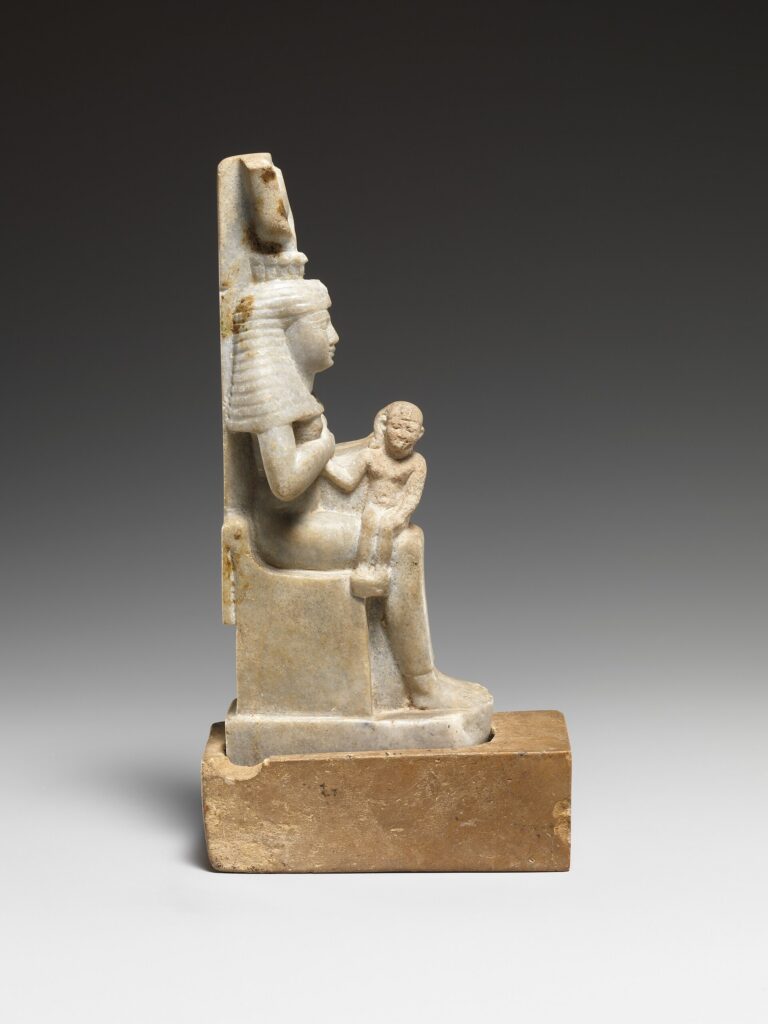
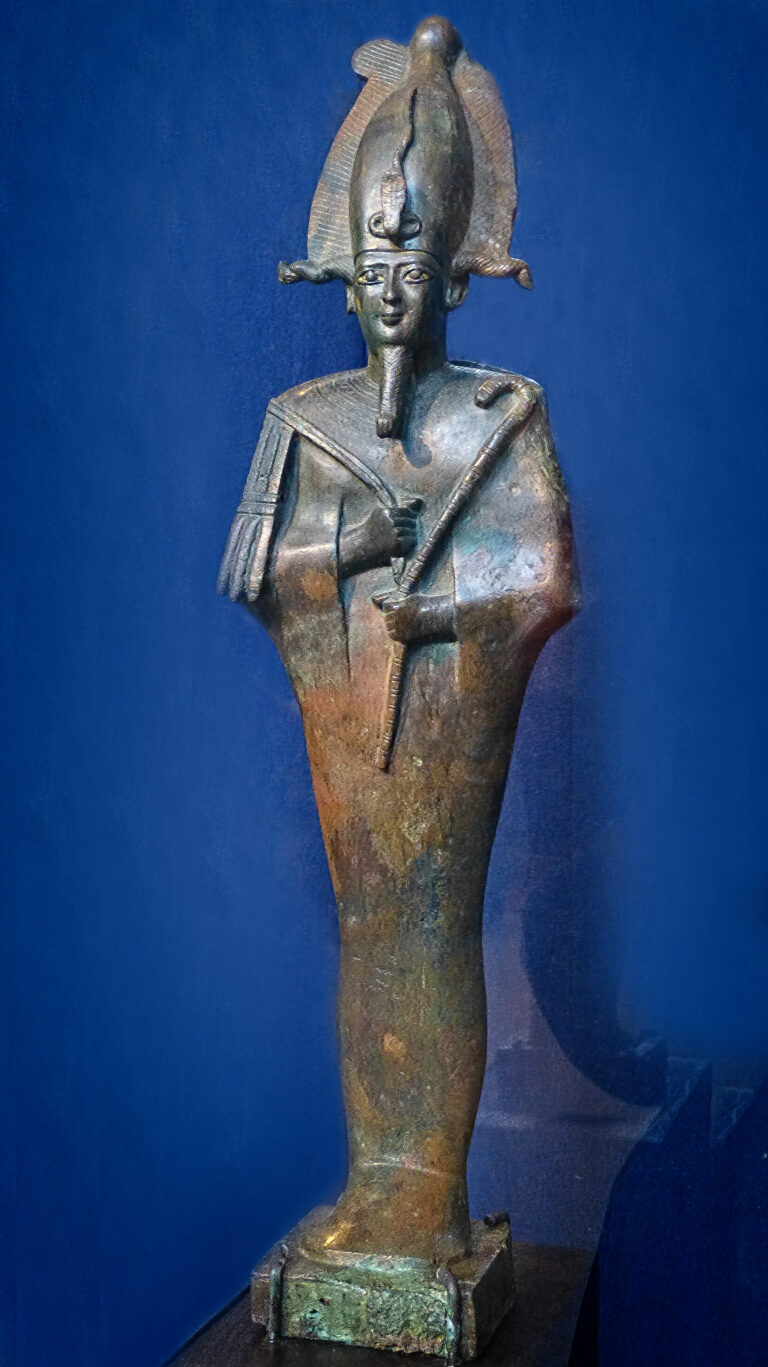
Geomytha treats myth as a repeatable interior physics: awareness (IsisIsisIn Geomytha, Isis names the unclaimed field: Is — pure being, awareness before possession, and the ground before the claimant appears.Read full entry →), reflectionAm — ReflectionAm names reflected presence: awareness embodied or mirrored without yet becoming ownership.Read full entry → (OsirisOsirisIn Geomytha, Osiris names reflected presence: Am — awareness reflected as living consciousness without yet becoming ownership.Read full entry →), imagination/perception-as-survival (SetSetIn Geomytha, Set names the claimant: I — the interruption by which reflection is taken as mine and converted toward ownership.Read full entry →), and time-bound ego identityThis — IdentityThis names the formed identity: the body, role, image, wound, belief, or story claimed as what the self is.Read full entry → (HorusHorusIn Geomytha, Horus names the identity that forms after claim: This — the body, role, image, wound, belief, or story taken as what the self is.Read full entry →). Read this way, The Jungle Book is not primarily a children’s adventure. It is a clean diagram of how seamless presence becomes a “person” under pressure.
The Jungle as the Field of Set
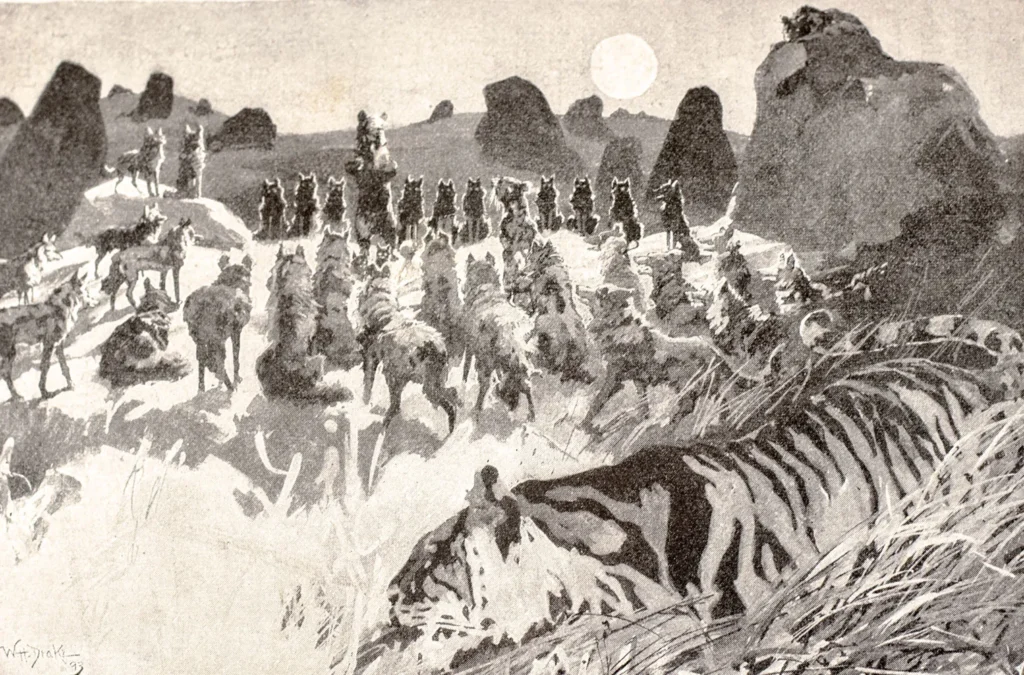
In Geomytha, the “jungle” is the world that appears when experience must be continuously interpreted. It is multiplicity, competition, scanning, threat-assessment, alliance-making. It is not merely nature; it is the psychological environment that emerges after awareness is converted into perception-as-survival.
The jungle is Set’s preferred terrain because it makes one assumption feel obvious: interpretation is required for survival. Once that is accepted as the organizing law, presence is displaced from the center and replaced by strategy.
Mowgli as Osiris Forced Toward Horus
Mowgli begins with an Osiris-like coherence: belonging without self-narration, movement without constant self-definition. Then the story introduces the pressure that births Horus: categorization.
What is Mowgli—wolf, man, neither?
In Geomytha, that question is not social trivia. It is the engine of identity construction. Horus forms when reflection can no longer remain integrated and must create a time-bound solution: a name, a category, a place, a future.
So Mowgli’s arc is not merely “growing up.” It is the compelled formation of a self.
Shere Khan as Set’s Predatory Face
Shere Khan represents Set without ornament: the force that makes the future feel urgent. His role is to convert being into a problem.
In Geomytha, the “predator” is the mechanism that argues: unarmored presence is naïve. Once that argument is internalized, consciousness contracts, plans, and fortifies. That contraction is the birth-moment of Horus—identity as an adaptive shell.
Shere Khan does not merely threaten Mowgli’s body; he pressures the creation of a psychological structure that can survive the jungle.
The Law of the Jungle as Order That Can Replace Center
The Law is portrayed as stabilizing, and it is. In Geomytha, however, law also carries a danger: external authority can replace direct knowing.
Rules can prevent chaos, but they can also teach a deeper metaphysics: orientation comes from outside. When that becomes the default, identity strengthens. The self becomes a citizen of structure rather than a resting-place of awareness.
In this light, the Law protects Mowgli while also potentially completing his exile from unmediated belonging.
Baloo and Bagheera as Twin Mentors of the Split
Baloo represents the soothing pole: ease, simplicity, the promise that life can be friendly again.
Bagheera represents the constraining pole: necessity, realism, the insistence that Mowgli must go where he “belongs.”
Geomytha reads this pairing as the typical post-split guidance system: comfort versus control. Both can help. Both can also become refined methods of constructing Horus—teaching better techniques for managing the jungle rather than restoring the center beyond the jungle.
The key distinction is whether mentorship restores Isis/Osiris coherence or merely optimizes survival.
Kaa as Hypnotic Capture by Image
Kaa is Set’s soft power: fascination and trance. This is not primarily brute fear; it is attention captured by appearance.
In Geomytha, Kaa encodes the moment perception becomes sticky—when imagery grips awareness so completely that the present is replaced by a moving picture that feels more real than reality. This is the mechanics of the spell: not deception by argument, but captivity by fascination.
King Louie as the Counterfeit Ascent
King Louie embodies a modern pathology: trying to acquire essence through imitation.
“I wanna be like you” is identity’s confession: the belief that being can be obtained by copying form, stealing power, learning the right secret, holding the right symbol. In Geomytha, this is Horus trying to become Isis by acquisition—the counterfeit ascent, where authenticity is pursued as an external upgrade.
Fire as Set’s Transformative Instrument
Fire symbolizes abstraction and tool-power: the capacity to reorder life by concept.
In Geomytha, fire is not “evil.” It is potent precisely because it works. But it is also seductively metaphysical: it offers control where presence offers surrender. Fire easily becomes a god—once it is worshiped, everything must justify itself to technique. Experience becomes material for reconfiguration.
This is Set’s signature: power that displaces being without announcing that displacement.
The Man-Village as the Completion of Horus (and a Possible Exit)
The ending is frequently read as simple: Mowgli goes where he belongs. In Geomytha, it is double-edged.
The man-village is the social mirror that stabilizes identity: name, role, future, belonging. It is Horus completed.
But it is also an exit from the perpetual regeneration of fear that the jungle demands. The villageThe Village — The PrisonerThe controlled settlement in the television series The Prisoner.Read full entry → closes one survival arena—even if it opens another: the arena of social identity.
So the village can be read as both:
consolidation of the time-bound self, and
closure of the jungle-loop.
Whether it becomes liberation or captivity depends on whether Isis is remembered inside form, or whether form becomes the only reality.
The Core ClaimI — ClaimI names claim: the interruption by which reflected presence is taken as mine.Read full entry →
The Jungle Book persists because it encodes a universal interior event: the conversion of presence into identity.
It shows how:
awareness becomes interpretation (the jungle),
reflection is forced into self-definition (Mowgli’s category crisis),
fear and fascination overtake coherence (Shere Khan and Kaa),
identity stabilizes through law, tribe, and social mirror (the pack, the rules, the village).
And it leaves the central Geomytha question suspended over the whole story:
Once Horus is formed, can Isis still be remembered?