Waxing Gibbous · Gemini — Build in Noticing — Soft Vigilance: How Comfort, Attraction, and Design Can Shape a Choice Before It Feels Like One
The old form of control is easy to recognize.
A wall.
A guard.
A threat.
A command.
Do this or suffer the consequence.
The softer form is harder to see because it often feels like choice.
Nothing forces the hand.
The field is simply arranged.
One option is easier.
One image is brighter.
One button is already selected.
One life looks desirable because everyone around you appears to want it.
That does not mean the choice is fake.
It means choices happen inside environments.
And environments have structure.
The Doors Give Us the Phrase
The Doors released The Soft Parade in 1969.
The title track is not a tidy pop song. It is a long, shifting suite that moves through spoken sermon, sanctuary-seeking, changing rhythms, brass, rock, and psychedelic movement.
The band’s own official history describes the album as one of the most polarizing records of its career because of the strings and brass that changed the familiar Doors sound.
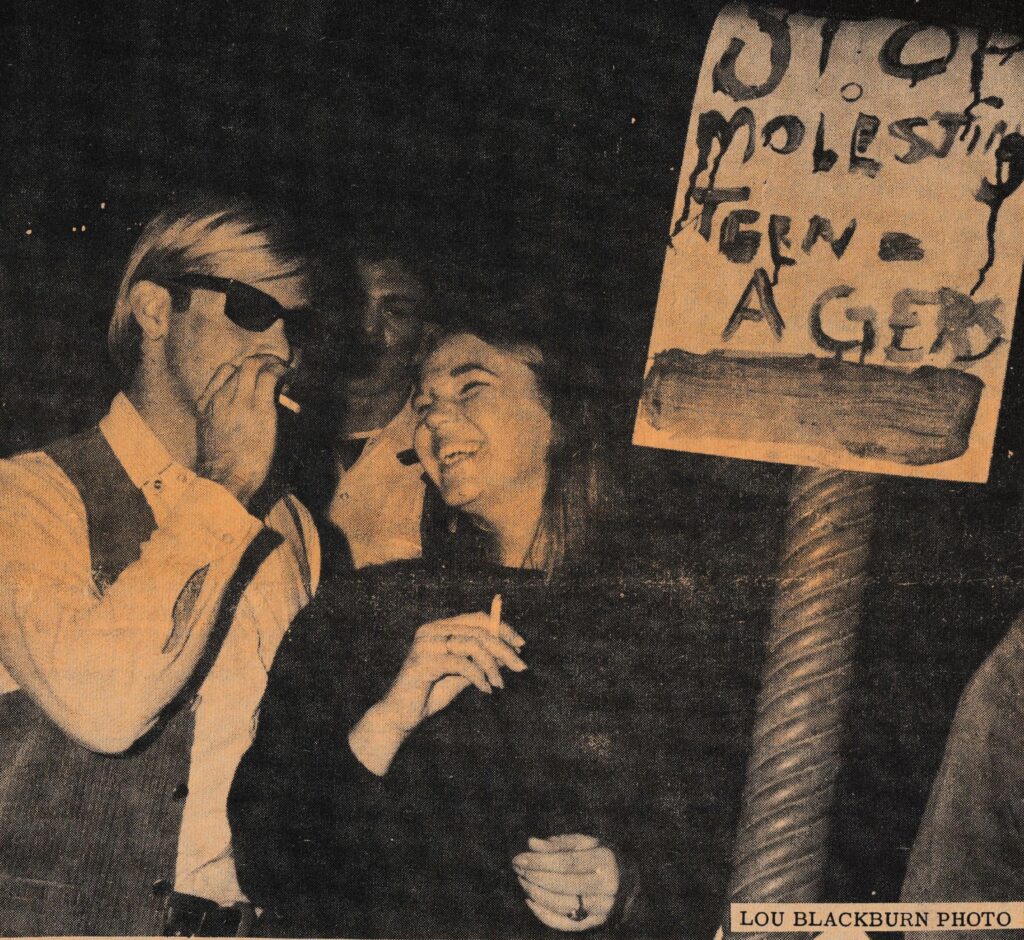
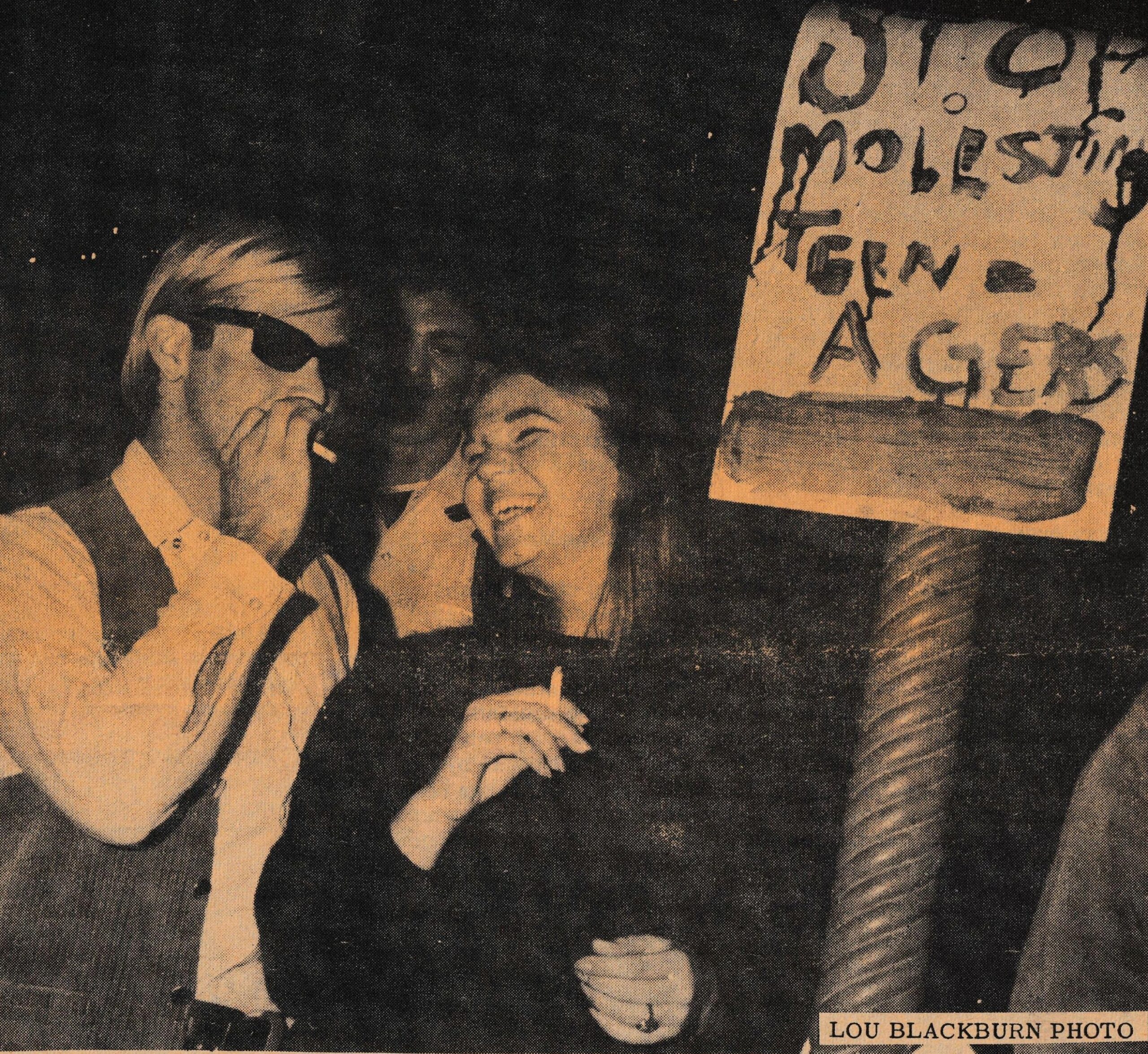
Later accounts connect Morrison’s phrase “the soft parade” with the strange, varied human procession of Sunset Boulevard.
That context is enough for GEOMYTHA.
A parade is organized movement made visible.
It has rhythm.
It has spectators.
It has sequence.
But a soft parade does not necessarily look commanded.
People can appear to drift while still moving through the same field.
That is the symbolic door.
Soft Power Is a Real Term—and a Narrow One
The older version of this essay used “soft power” too broadly.
Joseph Nye coined the term in international relations for the ability to affect others through attraction rather than coercion or payment.
Culture can matter.
Values can matter.
Prestige can matter.
A country can gain influence because other people find something about it desirable.
That is not the same thing as an app default, an advertisement, or an algorithm.
The distinction matters because “soft power” becomes useless if it means every influence that does not involve a weapon.
So GEOMYTHA keeps Nye’s term where it belongs.
Then it asks a broader symbolic question:
how does attraction shape a person differently from force?
The Interface Is Not Neutral
For digital life, Lawrence Lessig gives us a better frame.
His argument is that code and architecture structure what is possible in cyberspace.
The user does not arrive in an empty field.
The field has already been built.
There are buttons.
Permissions.
Defaults.
Rankings.
Visible options and invisible options.
Things the system makes easy and things the system makes hard.
The old draft called this “software is soft law.”
That phrase can stay as GEOMYTHA shorthand, but the documented mechanism is architecture.
The system shapes the space in which action happens.
Defaults Show How Gentle Design Can Move Behavior
Choice-architecture research makes the point concrete.
When one option is preselected as the default, people are more likely to remain with it.
A meta-analysis of 58 studies found a substantial average default effect, while also finding meaningful variation across settings.
That is important because it avoids two bad conclusions.
First bad conclusion:
people have no agency.
False.
Second bad conclusion:
design does not matter because people are free to click something else.
Also false.
Freedom and influence can exist at the same time.
That is the exact territory of the soft parade.
A Window Is Not a Door
Now we can returnReturn — RemembranceReturn names remembrance and release: the loosening of possession so reflection can become transparent to source again.Read full entry → to GEOMYTHA.
A door and a window both open a wall.
But they ask different things from the body.
A door asks for passage.
A window allows sight without crossing.
This is symbolic language, not architectural history.
But it is useful.
A screen is an astonishing window.
You can see a war without entering the country.
Watch a wedding without knowing the couple.
Visit a museum without traveling.
Learn a skill without entering a classroom.
None of this is inherently false.
It is one of the great powers of mediation.
The danger begins when seeing starts to substitute for crossing.
Watching exercise replaces moving.
Reading about intimacy replaces risking intimacy.
Following politics replaces participating in community.
Collecting insight replaces changing behavior.
The window shows.
The door costs something.
Comfort Is Not Captivity
This article also fails if it turns comfort into suspicion.
Convenience can be humane.
Defaults can protect people from needless friction.
Accessible interfaces can expand autonomy.
Recommendation systems can help people find music, books, information, and communities they genuinely value.
Softness can be mercy.
That is why the distinction cannot be:
hard equals honest;
soft equals manipulation.
The more useful distinction is whether softness increases or decreases a person’s capacity to notice the structure around the choice.
Some defaults are transparent and still effective.
Some reduce cognitive burden.
Some support welfare.
Some hide the decision.
Some make opting out deliberately painful.
The ethics are in the design and the relation.
The Parade Becomes Identity
GEOMYTHA’s deeper concern is what happens when the field does more than shape a choice.
It begins shaping the chooser.
A recommendation becomes taste.
Taste becomes affiliation.
Affiliation becomes profile.
Profile becomes identityThis — IdentityThis names the formed identity: the body, role, image, wound, belief, or story claimed as what the self is.Read full entry →.
Now the system does not merely know what the person clicked.
The person begins using the click as evidence of who they are.
This is where GEOMYTHA’s root grammarFourfold Root / Eightfold ExtensionThe fourfold root explains the birth of identity; the eightfold extension explains what identity becomes and how it returns.Read full entry → enters:
Is → Am → I → This.
The problem is not preference.
The problem is the moment preference becomes throne.
I watched this.
I like this.
I belong here.
I am thisThe False-Self Sentence — I Am ThisThe false-self sentence forms when claim joins reflection to a fixed object of identity: I am this.Read full entry →.
The Soft Parade Is Not a Conspiracy
This is the most important stress test.
A coordinated hidden controller is not required.
Designers optimize.
Companies compete.
Creators chase attention.
Users imitate one another.
Markets reward some patterns and punish others.
Institutions copy what appears to work.
The field can become directional without one person secretly directing the whole field.
That is a better model of modern influence than imagining a single machine with one operator.
Soft Vigilance
The answer is not hardness.
It is not paranoia.
It is not rejecting technology, pleasure, convenience, advertising, music, recommendations, or beautiful things.
The answer is softer than that.
Notice the field.
When something feels effortless, ask what effort has been removed.
When something is already selected, notice who selected it.
When something feels attractive, notice whether attraction is replacing judgment.
When a window keeps opening, ask whether there is a door you have stopped crossing.
When a preference starts becoming identity, loosen the sentence before it hardens.
The soft parade does not have to stop.
You only have to notice that you are in it.
Build carefully. Notice the route. Enjoy the music without assuming the rhythm chose itself.
Sources
- The Doors, The Soft Parade 50th Anniversary — official album history, release date, and the record’s controversial orchestral expansion.
- The Doors official discography — primary discographic record for the 1969 album and title track.
- Joseph S. Nye Jr., “Soft power: the evolution of a concept” — the original scholar’s account of soft power as attraction rather than coercion or payment.
- Lawrence Lessig, Code: And Other Laws of Cyberspace, Version 2.0 — sourceIs — SourceIs names unclaimed being: awareness before possession, distinction, or identity.Read full entry → for code and digital architecture structuring the field of possible action.
- Jachimowicz et al., “When and why defaults influence decisions” — meta-analysis of 58 studies showing substantial but variable default effects.
- “Options to design more ethical and still successful default nudges” — review of transparency, visibility, autonomy, and default design.
- Los Angeles Free Press, Sunset Strip curfew protest, November 1966 — public-domain hero image.