When Zeep Xanflorp discovers the truth about Rick’s battery universe, he reacts exactly as most people imagine they would.
He rebels.
He hates Rick.
He vows to destroy the system.
And then something strange happens.
Zeep begins to resemble the very being he despises.
The joke is easy to miss because Rick and MortyRick and Morty — Television SeriesRick and Morty is Adult Swim’s animated science-fiction series centered on Rick Sanchez and Morty Smith.Read full entry → presents it as comedy. But the episode quietly reveals one of history’s most uncomfortable patterns.
Revolutions often overthrow rulers.
They rarely overthrow the structure that produced the ruler.
Zeep despises Rick’s arrogance.
Yet he immediately becomes arrogant.
He resents Rick’s manipulation.
Yet he manipulates.
He hates Rick’s need for superiority.
Yet superiority becomes his own obsession.
The victim slowly becomes the image of the oppressor.
History is filled with this pattern.
The French Revolution overthrew kings only to produce Napoleon.
The Russian Revolution destroyed the Tsar only to construct another centralized empire.
George Orwell’s Animal Farm captured the tragedy perfectly.
The pigs overthrow the farmers.
And eventually the animals can no longer distinguish one from the other.
New flags.
Old patterns.
New slogans.
Old desires.
New rulers.
Old thrones.
The machine survives.
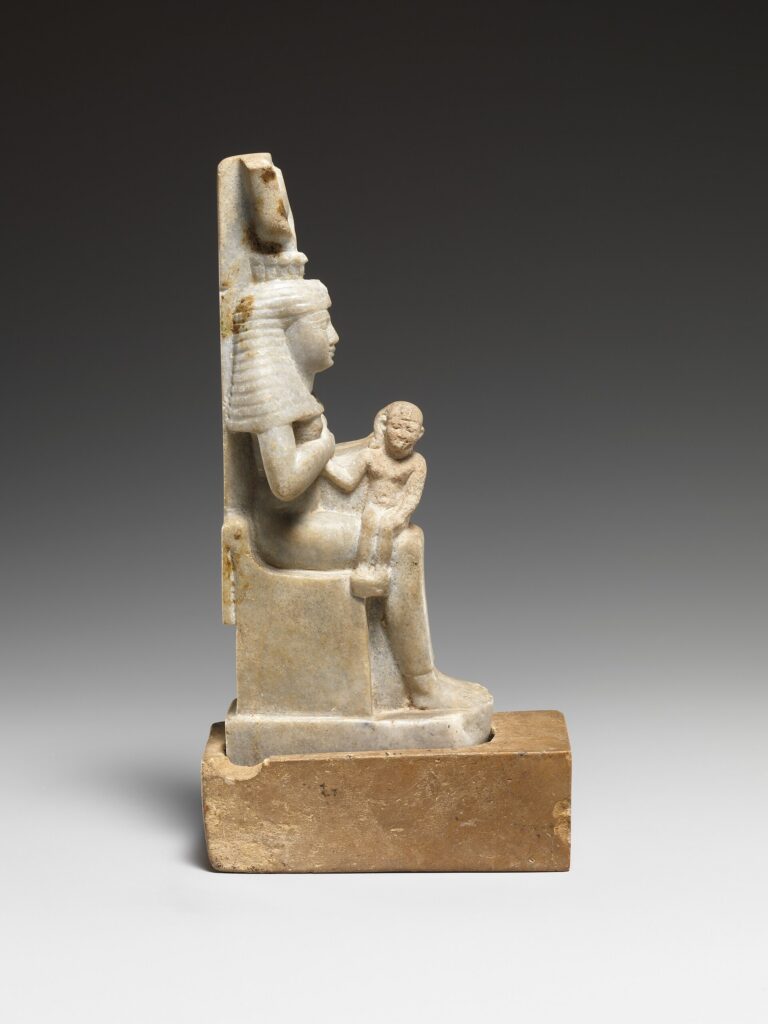
In Geomytha, this is HorusHorusIn Geomytha, Horus names the identity that forms after claim: This — the body, role, image, wound, belief, or story taken as what the self is.Read full entry → fighting Horus.
The son overthrows the father.
But remains king.
The throne survives.
Only the occupant changes.
Opposition often strengthens the very structures it imagines itself destroying.
Enemies become mirrors.
Political tribes define themselves through one another.
Countercultures eventually become establishments.
Rebels become authorities.
Hatred preserves what love might dissolve.
This is why simple opposition rarely brings freedom.
The machine does not care who drives.
It only cares that someone sits behind the wheel.
Not every liberation follows this path.
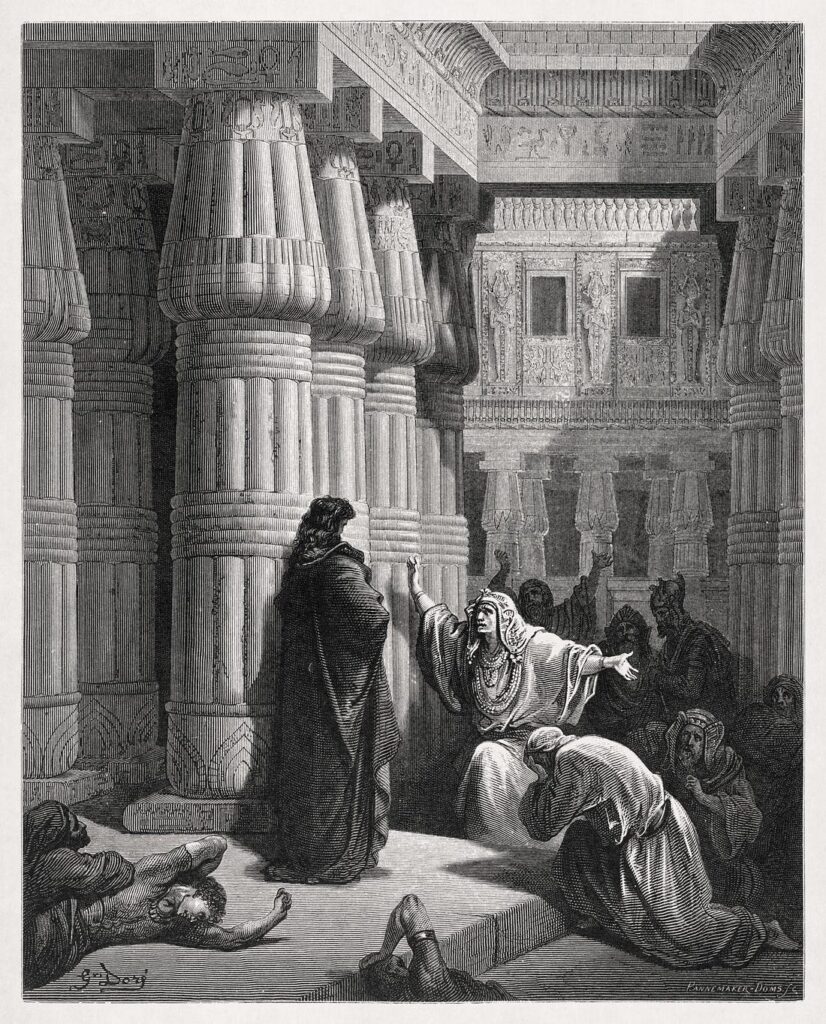
The Exodus story points toward something deeper.
Leaving EgyptEgyptAncient Egyptian cultural and mythic field referenced by the essay.Read full entry → was necessary.
But escaping Pharaoh was only the beginning.
The greater task was removing Egypt from the hearts of the people themselves.
Again and again the Israelites wanted to returnReturn — RemembranceReturn names remembrance and release: the loosening of possession so reflection can become transparent to source again.Read full entry → to familiar slavery.
Because physical escape is easier than inward transformation.
A new landscape does not guarantee a new consciousness.
Rick and Morty exposes the same problem.
Zeep’s hatred never frees him from Rick.
His rebellion keeps Rick at the center of his attention.
Even his dreams become reactions to another man.
He remains imprisoned by what he opposes.
Perhaps this explains why so many revolutions repeat themselves.
Perhaps freedom does not begin when we replace the king.
Perhaps it begins when we understand why the throne always survives.
Because the machine rarely cares who sits at the wheel.
It only asks one question:
Will someone keep driving?
And history suggests that there are always volunteers.
The hardest revolution is not overthrowing another ruler.
It is refusing to become one.