One song gives us a haze. Another gives us rain.
Both are purple.
That does not mean Jimi Hendrix and Prince were secretly teaching the same system. It does not mean the color purple has one fixed meaning across music, religion, psychology, or culture.
But the two titles create a useful GEOMYTHA question:
What happens when distortion first fills the atmosphere, then falls into the world, and finally begins to rule it?
That is the movement from haze → rain → reign.
Purple is a symbolic mixture here, not a scientific claim
GEOMYTHA uses color as a symbolic language.
Within that language, blue can stand for reflection: distance, mirror, depth, the field becoming visible to itself.
Red can stand for projection and claim: heat, force, appetite, interruption, the movement that says mine.
When GEOMYTHA calls purple the meeting of blue reflection and red projection, that is an internal symbolic convention.
It is not a claim about optics, wavelength physics, ancient universal color doctrine, or what Hendrix and Prince intended.
The usefulness of purple is simpler.
It looks like a field in which reflection and projection have become difficult to separate.
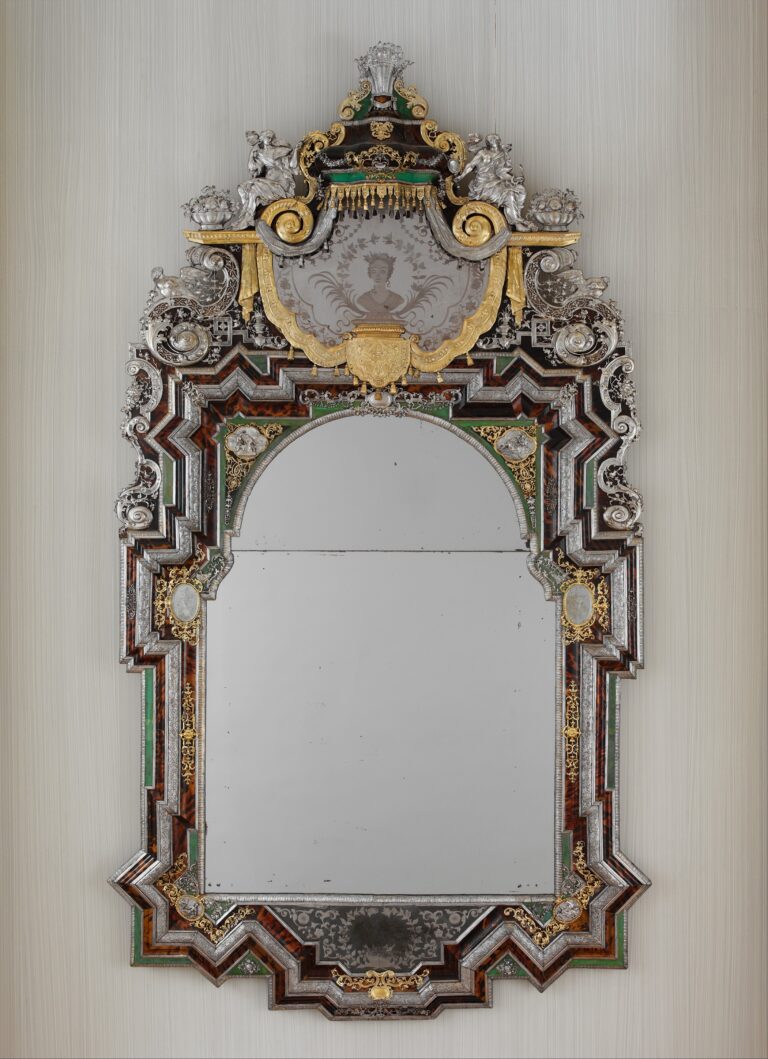
The mirror has been colored.
Purple Haze: distortion in the atmosphere
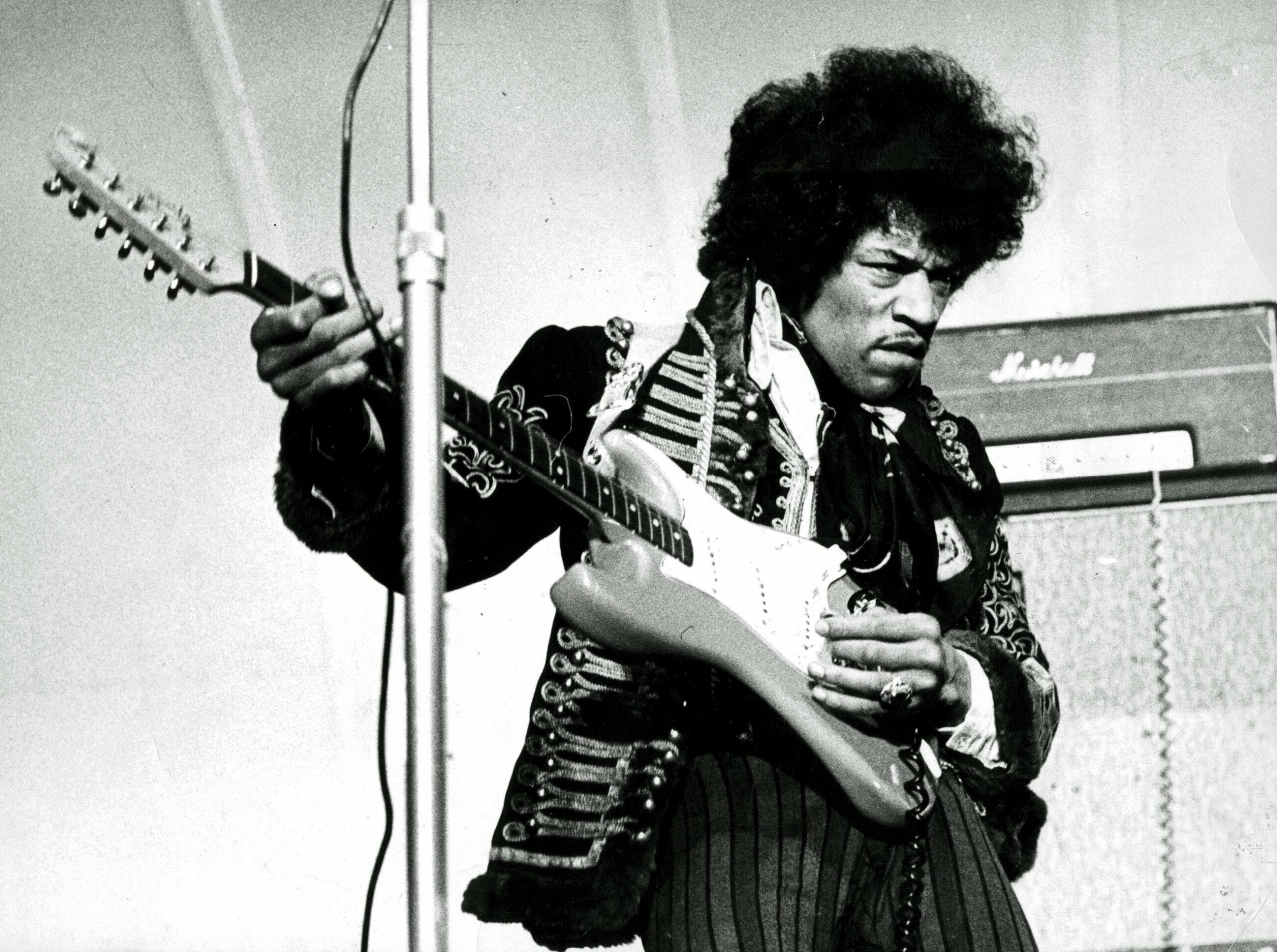
“Purple Haze” was recorded by the Jimi Hendrix Experience in early 1967 and released as the group’s second UK single that March. The official Hendrix archive describes the sessions as an experiment in new sounds and effects.
GEOMYTHA does not need to turn that production history into secret symbolism.
The title already gives us enough.
A haze does not necessarily change the objects inside it.
It changes how clearly they can be seen.
The road remains.
The person remains.
The light remains.
But the medium between observer and object is no longer transparent.
That is why haze is such a useful image of distortion.
The problem is not simply that something false has appeared.
The problem is that the field of perception has changed.
When the mirror itself is colored
Ordinary error can be corrected by looking again.
But what if the thing doing the looking is already colored?
If I am angry, neutral events can look hostile.
If I am afraid, uncertainty can look like danger.
If I desperately want something to be true, coincidence can begin looking like confirmation.
If I already identify as the victim, hero, outsider, expert, chosen one, or misunderstood genius, new information arrives inside a field that has already been tinted.
That is the purple haze in the GEOMYTHA reading.
Not a lie placed in front of consciousness.
A coloring of the reflective field itself.
Purple Rain: distortion descends
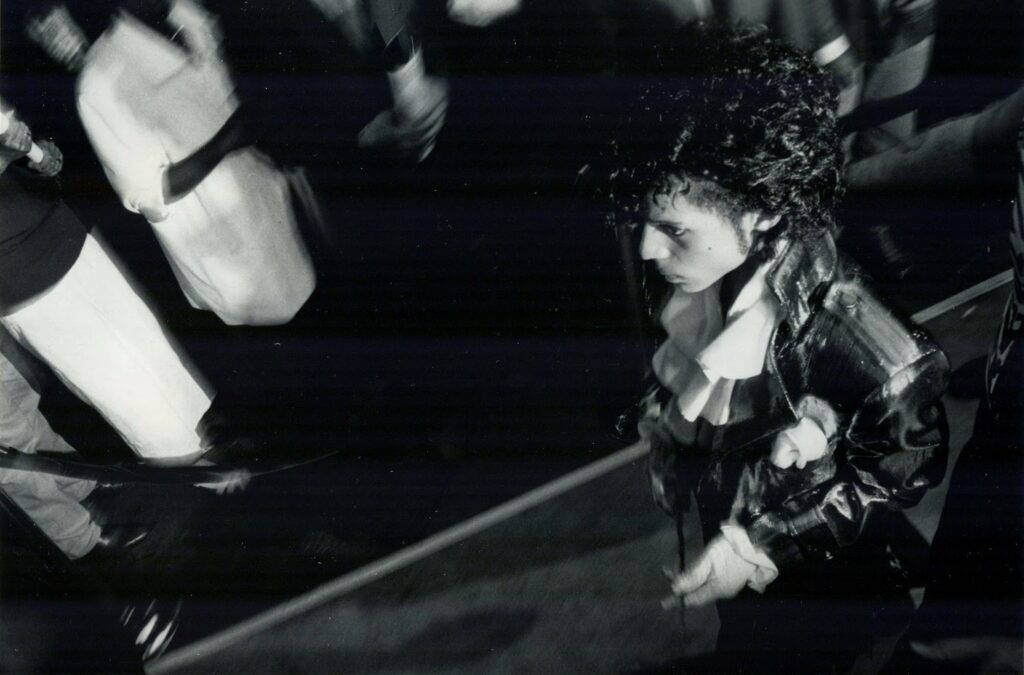
Prince’s Purple Rain arrived in 1984 as an album, film, and title song. The official Prince discography calls it the most commercially and culturally impactful release of his career.
Again, GEOMYTHA is not claiming that Prince encoded this framework into the title.
We are looking at the difference between two ordinary weather words.
Haze hangs.
Rain falls.
Haze changes the atmosphere.
Rain reaches the ground.
That gives the second title a different symbolic function.
The colored field no longer stays overhead.
It descends.
It touches everything.
It saturates.
From rain to reign
English gives us a useful homophone:
rain / reign.
This is wordplay, not etymology.
The words do not share a hidden origin merely because they sound alike.
But as a GEOMYTHA device, the shift is precise.
Rain is what descends.
Reign is what governs.
Distortion becomes more dangerous when it stops being a temporary condition and starts organizing the world beneath it.
First I see through the distortion.
Then I make decisions from it.
Then I build habits around those decisions.
Then the habits become a role.
Then the role becomes an identity.
Then the identity begins deciding what I am allowed to see.
The weather has become a throne.
The first purple names the atmosphere of distortion. The second reveals what happens when the atmosphere descends far enough to become rule.
Set enters the mirror
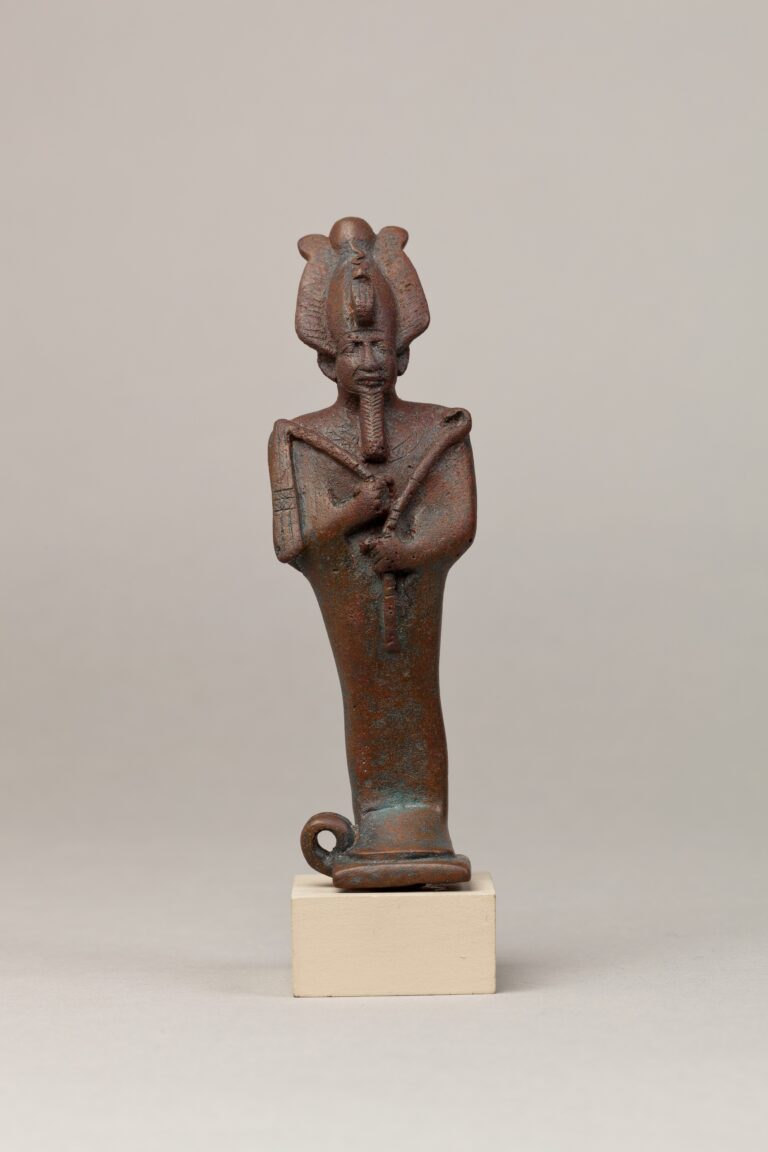
In GEOMYTHA’s mythic grammar, Osiris represents reflection and continuity.
Set represents interruption, division, claim, and the cutting force that can separate what had been held in relation.
The purple field appears when the Setian action enters the Osirian mirror.
Reflection is still happening.
But it is no longer neutral.
The mirror has been pressured by the claimant.
This is why distortion can feel so convincing.
It still reflects something real.
It simply reflects reality through a field already organized by desire, fear, status, injury, ideology, or self-image.
The counterfeit is strongest when it contains enough truth to keep the mirror believable.
Horus grows under the weather
If the colored field persists long enough, identity forms inside it.
GEOMYTHA calls that Horusian stabilization.
The person does not wake up each morning and consciously choose the distortion again.
The distortion has become ordinary.
It has become the climate in which the self learned its name.
Someone raised inside conflict may experience calm as suspicious.
Someone rewarded for performance may experience rest as failure.
Someone who became visible through outrage may need new outrage to remain visible.
The environment becomes identity because the identity was formed inside the environment.
Rain becomes reign.
The Purple People Eater
There is a comic version of the same image in Sheb Wooley’s 1958 novelty hit “The Purple People Eater.” The song itself was written as absurd entertainment; Oklahoma historical sources trace it to a children’s joke that Wooley turned into a record.
GEOMYTHA does not need to pretend the novelty song contains a hidden doctrine.
Its title simply gives us another useful image:
purple + people + eater.
Within this article’s symbolic grammar, “people” are formed identities and the “eater” becomes the field consuming the identities it helped produce.
That is what separation often does.
One identity feeds on another.
Political identity needs an enemy.
Status needs comparison.
Victim identity needs the offending figure to remain psychologically present.
Celebrity needs attention.
Tribe needs outsider.
The fragmented field begins devouring itself.
The stress test: purple is not the problem
This interpretation collapses if we begin treating the color purple itself as a universal sign of corruption.
Purple can mean royalty, mourning, devotion, luxury, eroticism, spiritual aspiration, political identity, artistic style, or simply a color someone likes.
Prince made purple inseparable from his public image, but that fact does not make every use of purple a GEOMYTHA example.
Hendrix used the title “Purple Haze,” but that does not prove that he meant “Set entering Osiris’s mirror.”
A symbolic reading becomes useful only when the function fits.
Is perception being colored?
Is the coloring descending into behavior?
Is the behavior stabilizing into identity?
Is the identity beginning to govern what can be perceived?
If not, the purple parallel is decoration, not mechanism.
Beautiful enough to trust
The important thing about distortion is that it rarely announces itself as distortion.
It usually arrives as something meaningful.
A story that explains everything.
A wound that organizes the past.
A group that finally understands.
A revelation that makes the world click.
An identity that brings coherence.
That is why the purple field is useful.
It is not darkness.
It is color.
It can be beautiful.
Beautiful enough to trust.
That is also why it deserves examination.
The practical return
When the world suddenly seems to confirm the same story everywhere, do not immediately ask whether the story is true.
Ask one earlier question:
What color is the field I am looking through?
What desire is present?
What fear?
What identity?
What wound?
What expectation?
Then ask whether the atmosphere has already become weather—and whether the weather has quietly become rule.
Notice the haze before you build under the rain.
Sources and further reading
- Experience Hendrix, “The Making of Are You Experienced” — official recording and release history for “Purple Haze.”
- Prince Official Discography, Purple Rain — official album history, credits, and release context.
- Oklahoma Historical Society, “Wooley, Shelby” — biographical source for Sheb Wooley and the 1958 “Purple People Eater” hit.
- Prince 1984 press photograph, Wikimedia Commons — public-domain image used in this article.
- Jimi Hendrix at Gröna Lund, 1967, Wikimedia Commons — public-domain press photograph used in this article.
The Haze → Rain → Reign sequence, the blue/red/purple symbolic palette, and the Osiris–Set–Horus interpretation are GEOMYTHA readings. The music sources establish the works and their historical context; they do not establish this symbolic framework as the artists’ intended meaning.



.jpg)
