Paid essay — public preview. This page introduces the original essay. The complete argument, examples, and conclusion are available to paid Geomytha subscribers on Substack.
Few figures have suffered more from simplification than SetSetIn Geomytha, Set names the claimant: I — the interruption by which reflection is taken as mine and converted toward ownership.Read full entry →.
To many modern readers, he appears to be the Egyptian equivalent of Satan.
The villain.
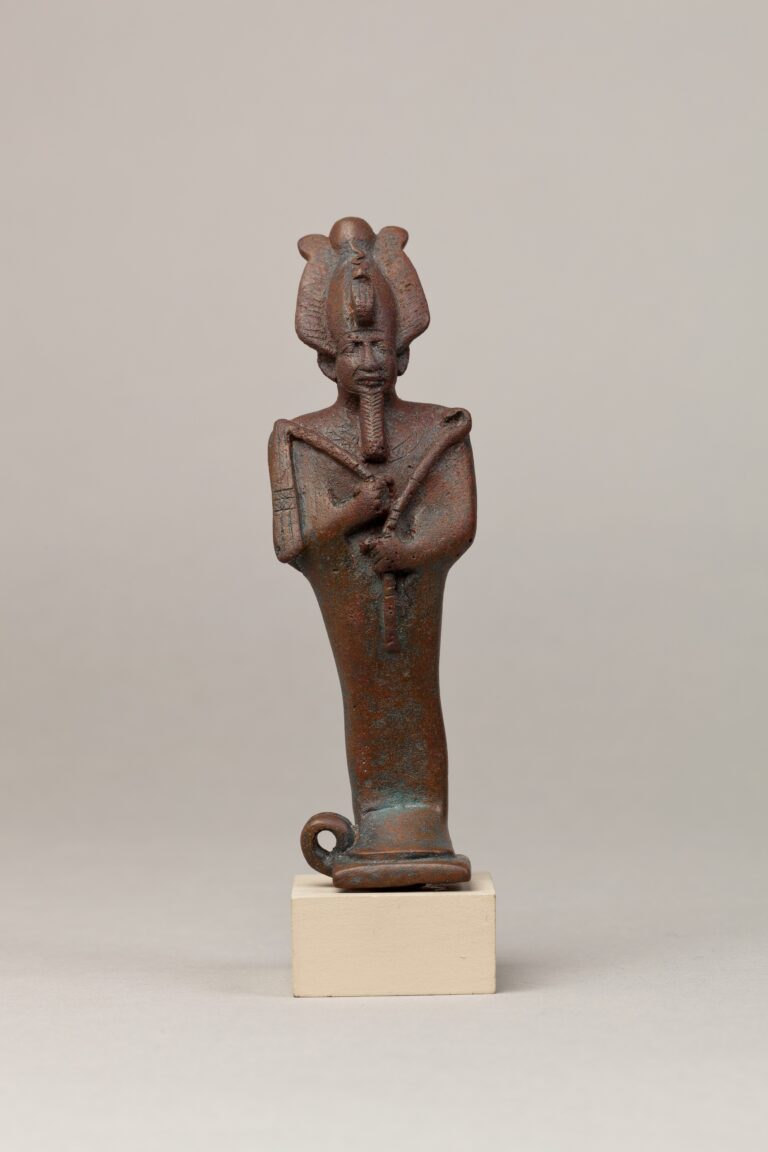
The murderer of OsirisOsirisIn Geomytha, Osiris names reflected presence: Am — awareness reflected as living consciousness without yet becoming ownership.Read full entry →.
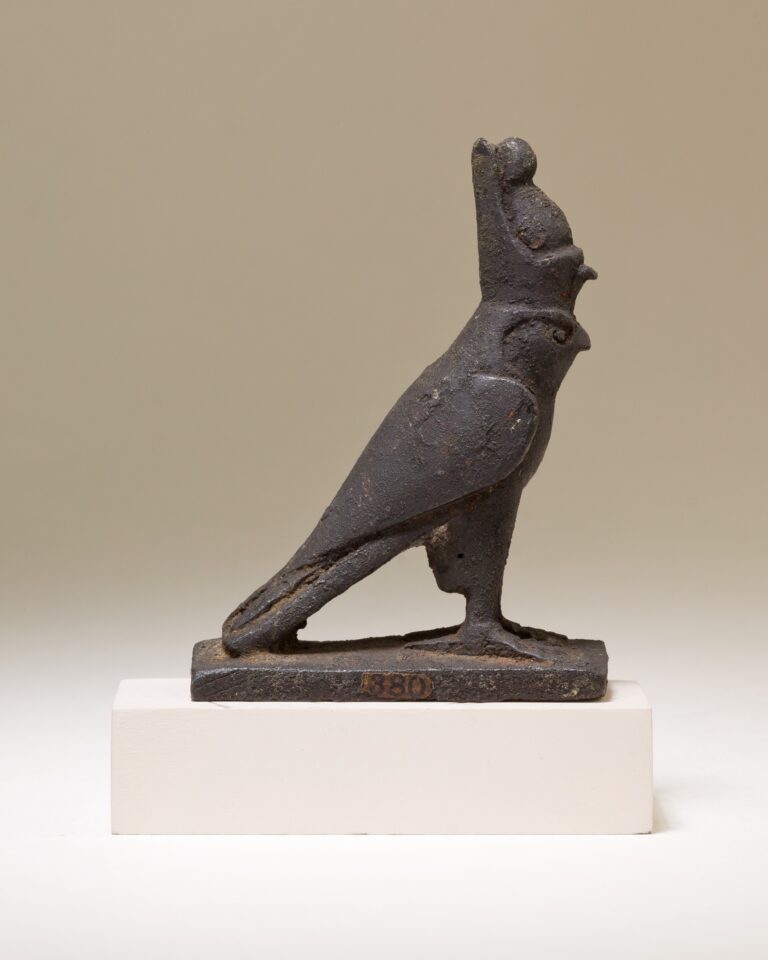
The enemy of HorusHorusIn Geomytha, Horus names the identity that forms after claim: This — the body, role, image, wound, belief, or story taken as what the self is.Read full entry →.
The god of deserts, storms, violence, and chaos.
And certainly Set can be terrible.
He tears apart.
He divides.
He opposes.
He wounds.
Yet ancient EgyptEgyptAncient Egyptian cultural and mythic field referenced by the essay.Read full entry → never treated him quite so simply.
For alongside the stories in which Set opposes Horus stand other stories in which Set protects the Sun itself.
Every night Ra journeys through the underworld.
And every night the serpent Apophis attempts to devour the solar barque.
Who stands at the prow with spear in hand?
Set.
The enemy becomes defender.
The destroyer becomes protector.
Read the complete essay on Substack →
This WordPress page preserves the essay’s place in the Geomytha archive, its original title and subtitle, and its publication date. The full subscriber edition remains protected on Substack.