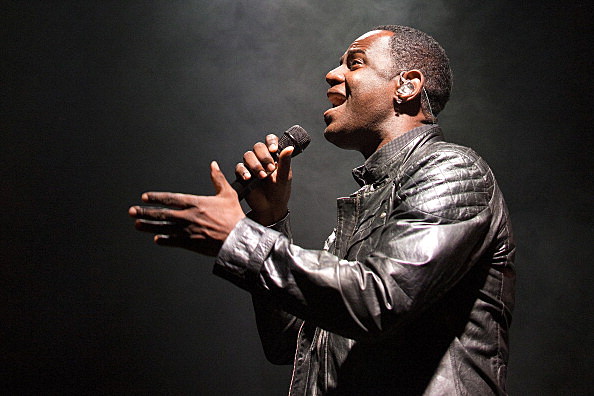
Brian McKnight’s “Back at One” presents itself as romance, but its form is doing something far more revealing than its sentiment. The lyrics are not merely poetic—they are numbered. They are procedural. They are repeatable.
In Geomytha, that is the giveaway.
This is what the Vortex Math DiagramVortex Math DiagramThe diagram associated with Vortex-Based Mathematics arranges base-10 digit-root patterns around a circle and emphasizes the repeating doubling cycle 1→2→4→8→7→5→1, alongside special treatment of 3, 6, and 9. The repeating 1-2-4-8-7-5 cycle…Read full entry → (VMD) looks like when it disguises itself as a love song: a sequence that builds a reality-track, then loops it until it becomes a stable identityThis — IdentityThis names the formed identity: the body, role, image, wound, belief, or story claimed as what the self is.Read full entry →.
The hidden structure: from presence to process
Real union does not require steps. It does not require counting. It does not require method.
Counting is what consciousness does after it leaves immediacy.
So the moment a song begins with: “One…” it has already crossed the threshold from IsisIsisIn Geomytha, Isis names the unclaimed field: Is — pure being, awareness before possession, and the ground before the claimant appears.Read full entry →-awareness (unmediated being) into something else: a numbered corridor where experience becomes manufacture.
“Back at One” is not saying “love is simple.” It is saying: “Here is how to construct the feeling of completion.” And then it tells the truth in the chorus: even when the self believes the work is done, it must reset and run again.
The 124 build encoded in “steps 1–3”
The lyric counts 1–2–3, but the operations align with the 124 pattern—the VMD’s forward construction arc.
1 — The seed-point
“You’re like a dream come true.”
One is the initial impression, the first spark: the singular “point” that begins the track.
But note the word dream: the beloved is introduced as an image. The moment “you” becomes dream-content, consciousness is no longer resting as awareness—it is relating to a projectionThose — ProjectionThose names projection: enemies, outsiders, competitors, threats, and disowned qualities placed beyond the identity boundary.Read full entry →.
2 — Polarity and pull
“Just wanna be with you.”
Two introduces separation: me/you, here/there, lack/fulfillment. It is the birth of desire—the magnetic force that tries to close the gap created by the very act of imagining the other.
3 — The 4-function (crystallization)
“Girl it’s plain to see.”
The third move is the decisive one: the mind declares certainty. Plain to see is not about seeing—it is about believing perception is authority.
In Geomytha language, this is the 4-function: stabilization. The impression hardens into “truth.” The track becomes solid enough to repeat.
This is the key point that makes the mapping coherent: the lyric’s “3” is not treated as the number 4; it is treated as the moment that does what 4 does—it locks the sequence into a stable structure.
“Repeat steps 1–3” is the 875 mirror-current
Then the song gives a direct instruction:
“Four… repeat steps one through three.”
This line is almost impossible to overstate. It is the VMD described in plain speech: loop the beginning until the pattern becomes real.
In Geomytha, 875 is the mirror-current: the returnReturn — RemembranceReturn names remembrance and release: the loosening of possession so reflection can become transparent to source again.Read full entry →-loop that reflects the initial construction back onto itself and strengthens it through repetition.
So the engine is:
123/124 = forward construction (seed → polarity → stabilization)
875 = mirrored reinforcement (return-current that replays the build)
When the lyric says repeat 1–3, it is describing the mechanism by which a loop becomes identity: not by truth, but by cycling.
Step five: where HorusHorusIn Geomytha, Horus names the identity that forms after claim: This — the body, role, image, wound, belief, or story taken as what the self is.Read full entry → steps fully into the driver’s seat
“Five… make you fall in love with me.”
Here the identity speaks as operator. This is not mutuality; it is control-language: I can cause your inner state.
In Geomytha, this is the Horus signature: the time-bound ego identity that believes it can engineer outcomes—especially emotional outcomes—through method.
This is where love becomes a project and the self becomes the manager of the project.
The chorus confesses the trap
“If ever I believe my work is done… then I’ll start back at one.”
That refrain is the entire metaphysics.
It admits that completion is not arrival—it is a momentary self-assessment inside a loop. And the moment the “work” is declared finished, the mechanism restarts.
This is how the Horus-mask sustains itself: by repeatedly manufacturing a sense of closure and then resetting to manufacture it again.
So the song is not only describing a relationship cycle. It is describing identity maintenance.
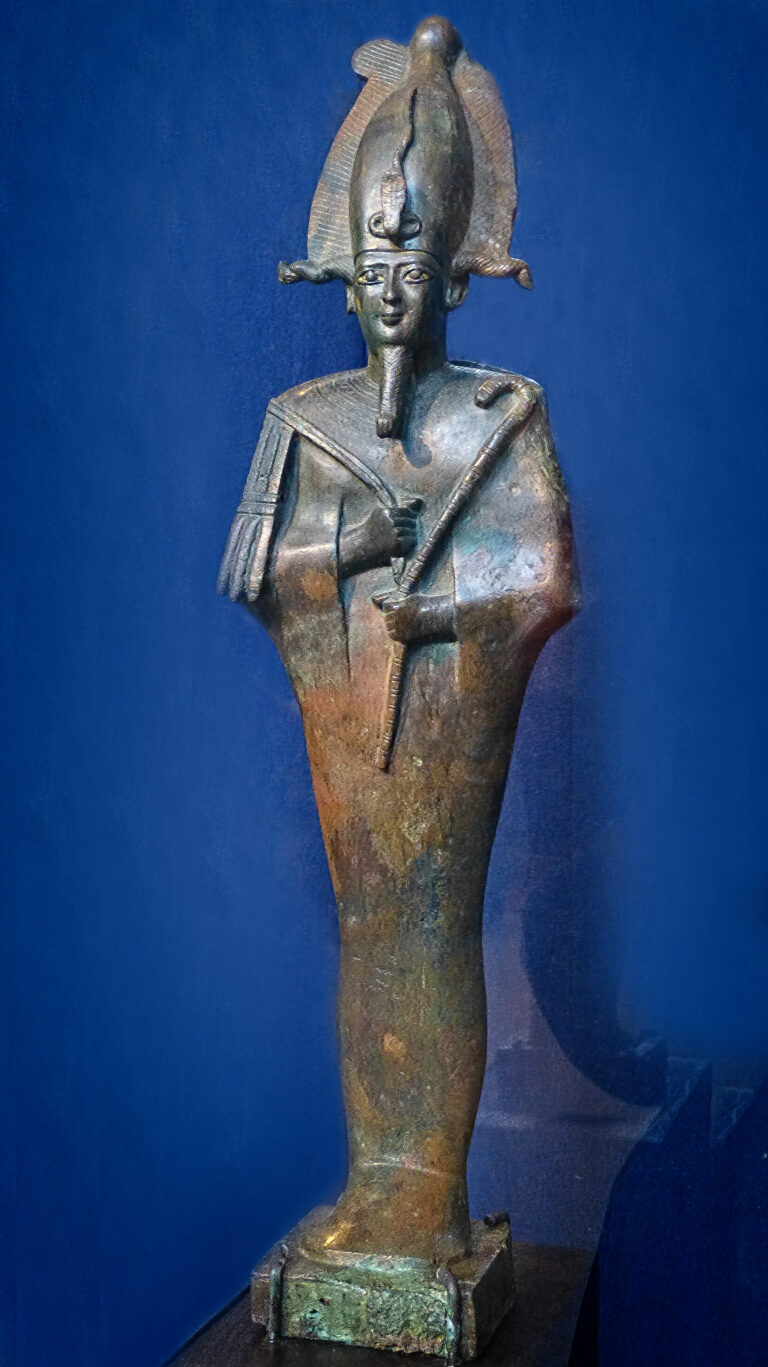
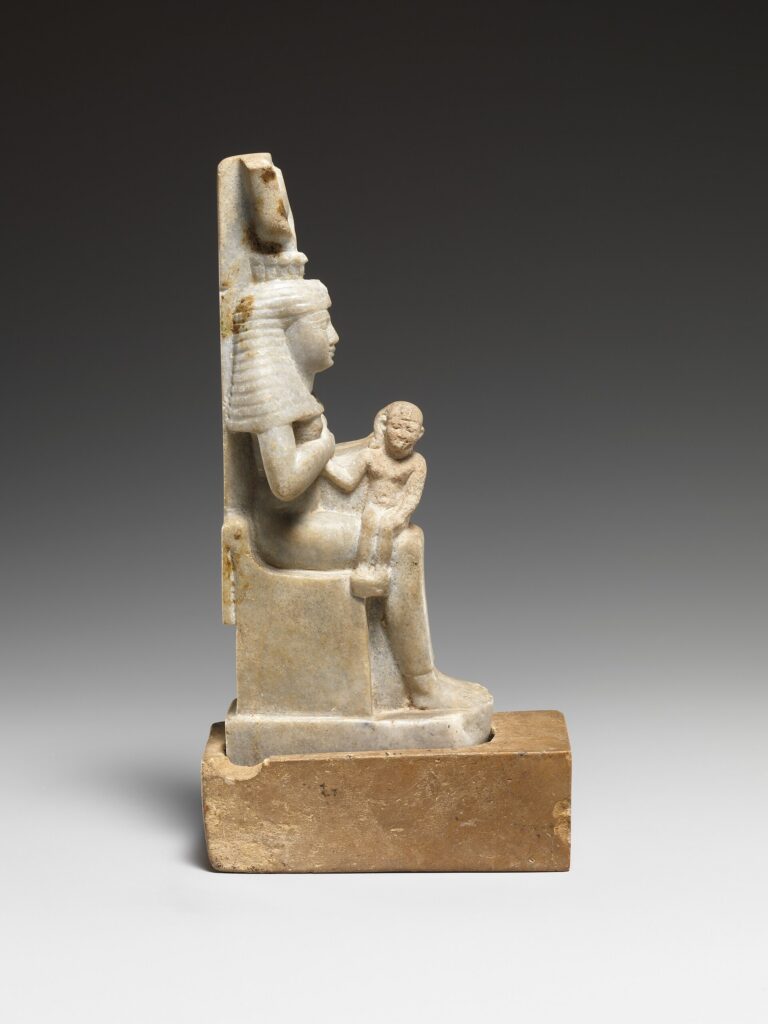
Archetypal mapping: Isis, OsirisOsirisIn Geomytha, Osiris names reflected presence: Am — awareness reflected as living consciousness without yet becoming ownership.Read full entry →, SetSetIn Geomytha, Set names the claimant: I — the interruption by which reflection is taken as mine and converted toward ownership.Read full entry →, Horus
Seen through Geomytha’s fourfold lens:
Isis (awareness) is what exists before the counting starts—the unnumbered ground that does not need procedure.
Osiris (perfect reflectionAm — ReflectionAm names reflected presence: awareness embodied or mirrored without yet becoming ownership.Read full entry →) would be love as effortless mirroring—presence recognizing itself without steps.
Set (imagination/projection) is the conversion of immediacy into a method: dream, certainty claims, scripting, counting, and looping.
Horus (time-bound identity) is the “I” that runs the steps, repeats them, measures progress, and resets to begin again.
In short: the song portrays love as an algorithm because it is secretly describing the algorithm that generates the self.
What “Back at One” is really about
“Back at One” is often heard as devotion. In Geomytha, it reads as something sharper:
the conversion of presence into a repeatable sequence, and the conversion of that sequence into a stable persona.
It is a lullaby for the loop.
A hymn to restarting.
A romantic mask worn by the VMD.
A practical inversion: the anti-loop (ram in the thicket)
If the lyric’s instruction is: repeat steps 1–3 until it’s real, the Geomytha inversion is:
stop repeating the steps long enough to feel what existed before step one.
When the mind wants to restart the sequence—rehearse, define, secure, explain—replace the impulse with a “ram in the thicket” action: a small, embodied interruption that returns attention to immediacy (walk, stretch, clean one object, drink water slowly, breathe without narrative).
Not as self-improvement.
As escape from the counting spell.