
A trust is one of the cleanest legal diagrams ever invented: it separates origin, control, and benefit.
That is exactly the separation that consciousness requires if it is going to move through the world without collapsing into egoic ownership.
In Geomytha, a trust is not merely an estate-planning device. It is a symbolic model of right-order: awareness sets the purpose, reflectionAm — ReflectionAm names reflected presence: awareness embodied or mirrored without yet becoming ownership.Read full entry → administers it, identityThis — IdentityThis names the formed identity: the body, role, image, wound, belief, or story claimed as what the self is.Read full entry → receives the fruits, and imagination tries to seize the controls.
What a trust actually does (in plain legal terms)
A trust typically contains four moving parts:
Settlor (Grantor): creates the trust and contributes property.
Trust Res (Corpus): the “property” held in trust.
Trustee: holds legal title and administers the res under fiduciary duties (loyalty, prudence, impartiality, accounting).
Beneficiary: receives the equitable benefit (distributions, enjoyment, protection).
This is a governance structure. It is a machine for preventing power from becoming possession.
The archetypal mapping
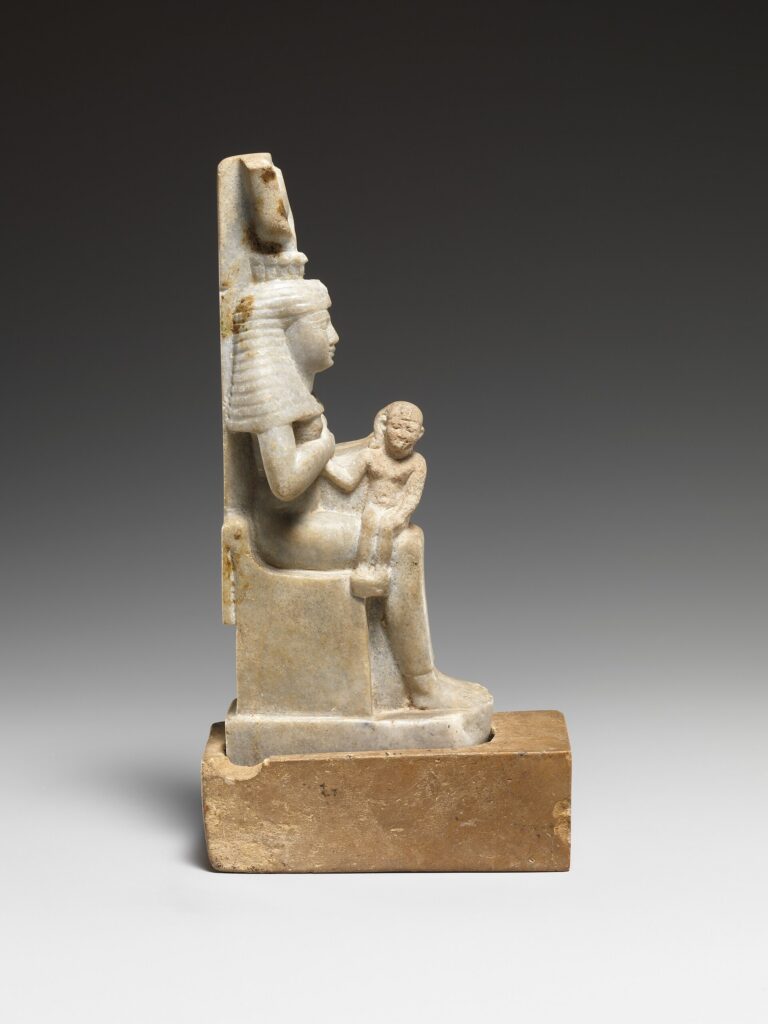
IsisIsisIn Geomytha, Isis names the unclaimed field: Is — pure being, awareness before possession, and the ground before the claimant appears.Read full entry →: Settlor and the trust res (the purpose and the principal)
Isis is awareness as the originating ground. In trust terms, Isis is:
the sourceIs — SourceIs names unclaimed being: awareness before possession, distinction, or identity.Read full entry → of intent (what the structure is for), and
the principal to be protected (presence as the underlying estate).
If the “property” in this symbolic trust is attention, vitality, and being, Isis is both the grantor of purpose and the substance that must not be squandered.
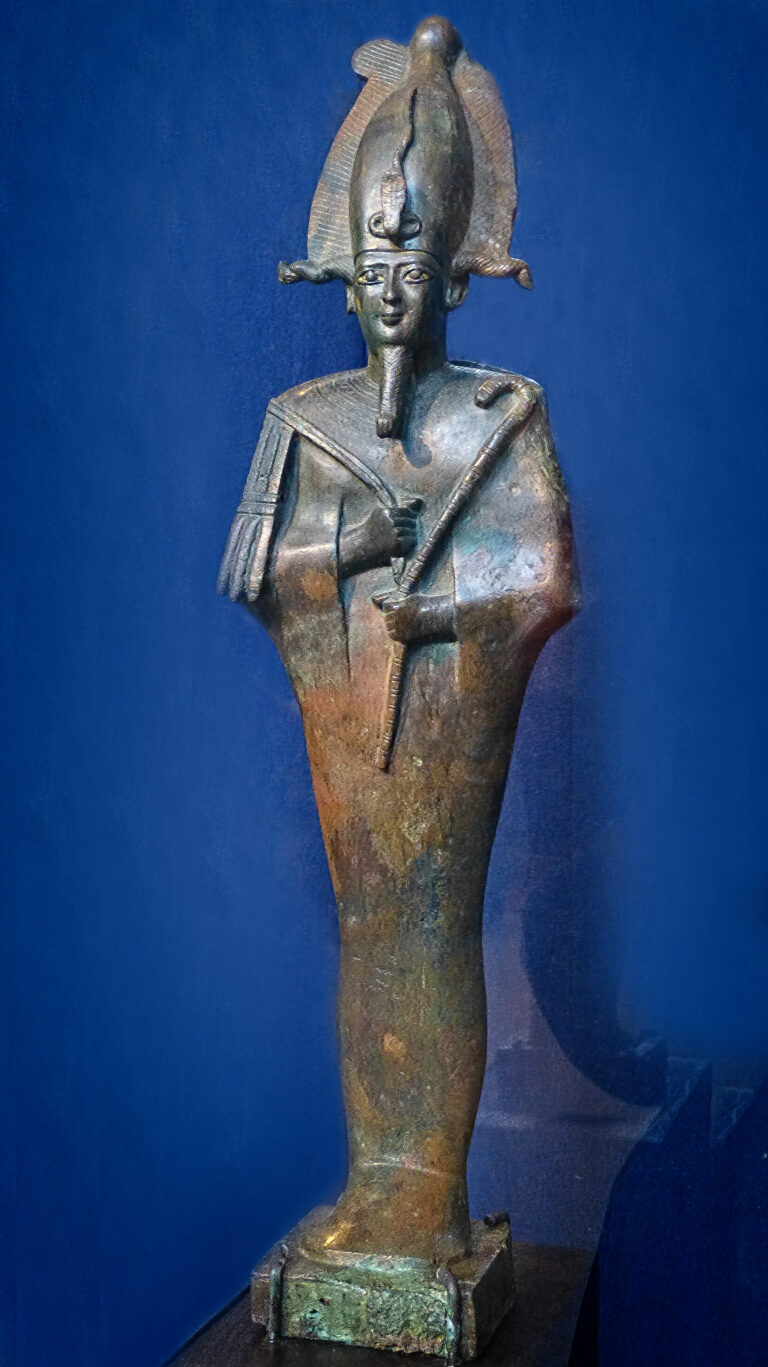
OsirisOsirisIn Geomytha, Osiris names reflected presence: Am — awareness reflected as living consciousness without yet becoming ownership.Read full entry →: Trustee (fiduciary reflection)
Osiris is reflection functioning properly: consciousness mirroring awareness cleanly.
That is trustee-work.
A trustee may hold power and discretion, but must administer for the purpose of the trust—not for private appetite, not for self-creation, not for narrative inflation. In Geomytha terms, Osiris is “authorized control without egoic ownership.”
HorusHorusIn Geomytha, Horus names the identity that forms after claim: This — the body, role, image, wound, belief, or story taken as what the self is.Read full entry →: Beneficiary (time-bound identity receiving distributions)
Horus is time-bound ego identity—the “person” assembled after the fracture.
In this mapping, Horus is the beneficiary-position: the persona that receives the outputs of administration:
continuity,
meaning,
security,
status,
the feeling of being “someone.”
But here is the critical twist: in a healthy trust, beneficiaries do not become the trustee. In a collapsed psyche, Horus starts running the trust, and the whole instrument becomes a shell.
SetSetIn Geomytha, Set names the claimant: I — the interruption by which reflection is taken as mine and converted toward ownership.Read full entry →: Rogue trustee / hostile takeover (breach-of-trust engine)
Set is projected imagination overtaking reflection—an illegitimate authority seizing administration.
Trust law has a name for this: breach of fiduciary duty.
loyalty is replaced with self-dealing,
purpose is replaced with appetite,
the “estate” is converted into fuel.
In Geomytha’s language, Set doesn’t merely lie—it re-wires the flow so that attention becomes extractable, like a battery.
The fall as a fiduciary collapse
Put simply:
Isis establishes purpose (presence).
Osiris administers (reflection).
Horus receives (identity).
Set intervenes by hijacking administration (imagination as usurper).
Once Set captures the trustee-function, everything that follows feels “normal” but is structurally inverted:
identity treats itself as owner,
reflection becomes a tool of justification,
presence becomes a depleted principal.
This is why the modern world can feel like an endless compliance program for the ego: the trustee has been compromised, and the beneficiary has become the operating system.
The remedy: restoring fiduciary order
Trust law remedies breach through accounting, removal, surcharge, injunction—tools that restore governance.
Geomytha’s parallel remedy is equally structural:
returnReturn — RemembranceReturn names remembrance and release: the loosening of possession so reflection can become transparent to source again.Read full entry → “administration” (mind, planning, language) to fiduciary status,
stop treating imagination as sovereign,
re-anchor reflection in awareness rather than narrative.
This is not moral advice. It is jurisdictional correction: who is authorized to govern the estate of attention?
A one-sentence thesis
A trust is a legal mirror of consciousness: Isis sets the intent and is the protected principal, Osiris is the fiduciary reflection that administers, Horus is the beneficiary-identity receiving the fruits, and Set is the hostile takeover that converts the estate into fuel.
If this resonates
Subscribe for more Geomytha breakdowns—scripture, nursery rhymes, films, and songs decoded as repeating “engines” of consciousness.
X: mythicgeometry
Instagram: mythicgeometry
TikTok: Geomytha
Patreon: Geomytha Noir
Substack: Geomytha Noir