A Vortex Math reading of Don McLean’s lament—and the teen-comedy franchise that turned the same mechanism into a rite of passage.
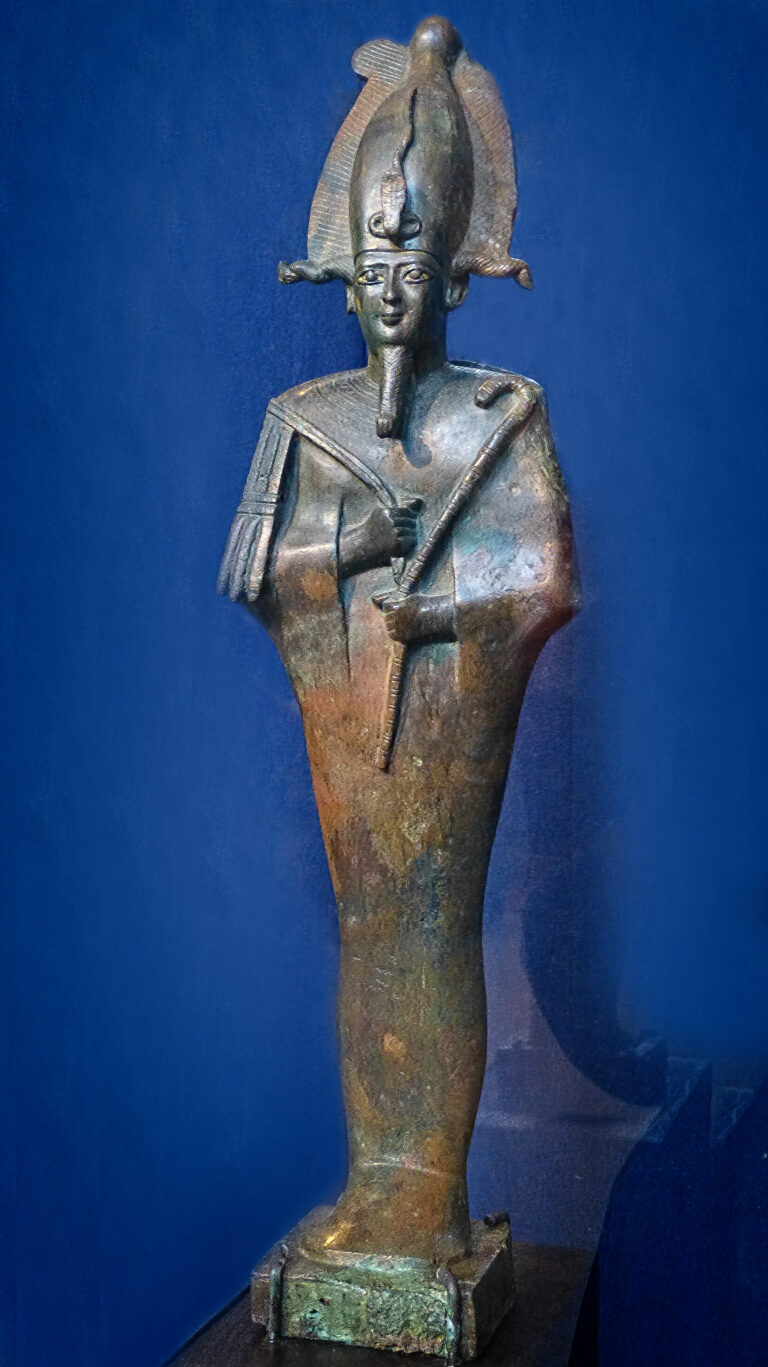
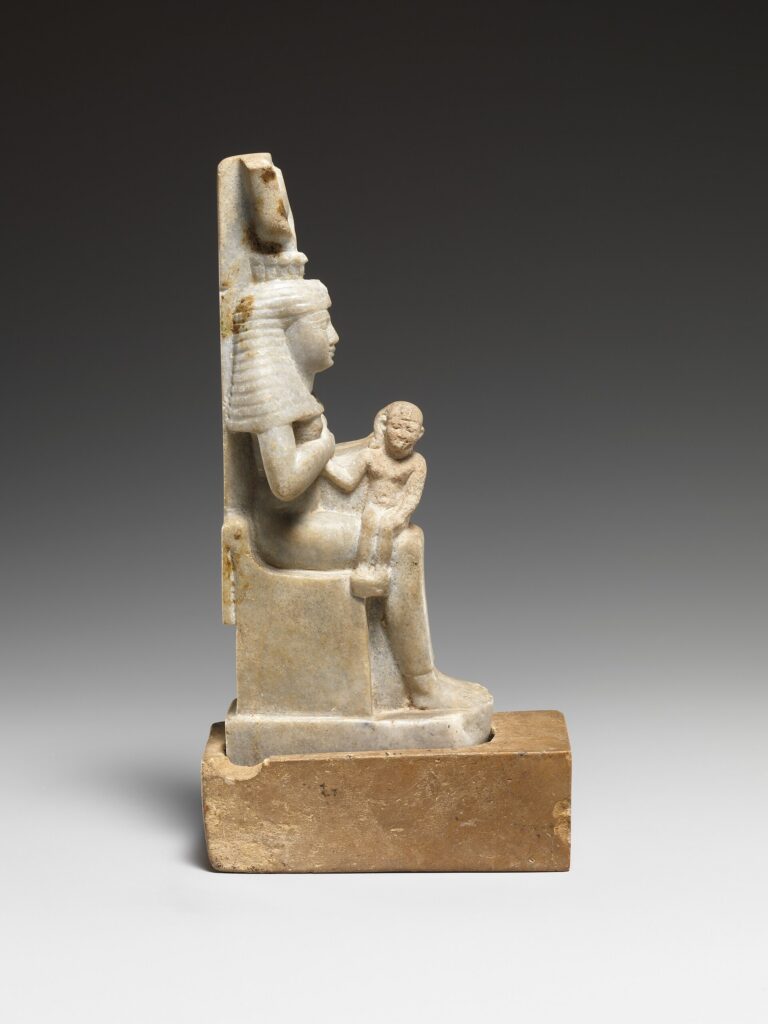
There are songs that feel like history, and songs that feel like initiation. “American Pie” is both: a cultural elegy on the surface, and—through your lens—a precise diagram of what happens when presence (IsisIsisIn Geomytha, Isis names the unclaimed field: Is — pure being, awareness before possession, and the ground before the claimant appears.Read full entry →) is displaced by reflectionAm — ReflectionAm names reflected presence: awareness embodied or mirrored without yet becoming ownership.Read full entry → (OsirisOsirisIn Geomytha, Osiris names reflected presence: Am — awareness reflected as living consciousness without yet becoming ownership.Read full entry →), overtaken by imagination (SetSetIn Geomytha, Set names the claimant: I — the interruption by which reflection is taken as mine and converted toward ownership.Read full entry →), and sealed into a time-bound identityThis — IdentityThis names the formed identity: the body, role, image, wound, belief, or story claimed as what the self is.Read full entry → (HorusHorusIn Geomytha, Horus names the identity that forms after claim: This — the body, role, image, wound, belief, or story taken as what the self is.Read full entry →).
In Vortex Math terms, it is the story of the center being abandoned, and the system trying to compensate with louder and louder loops.
The claimI — ClaimI names claim: the interruption by which reflected presence is taken as mine.Read full entry →
“AmericaAmerica — Band / ArtistAmerica is the band whose debut album includes the song “Sandman.”Read full entry →,” in this context, is not primarily a nation. It is a jurisdiction of consciousness—a collective field where the circle is turned into a commodity, coherence is replaced by spectacle, and identity is manufactured through time, status, and story.
And the title tells you the whole thing at once:
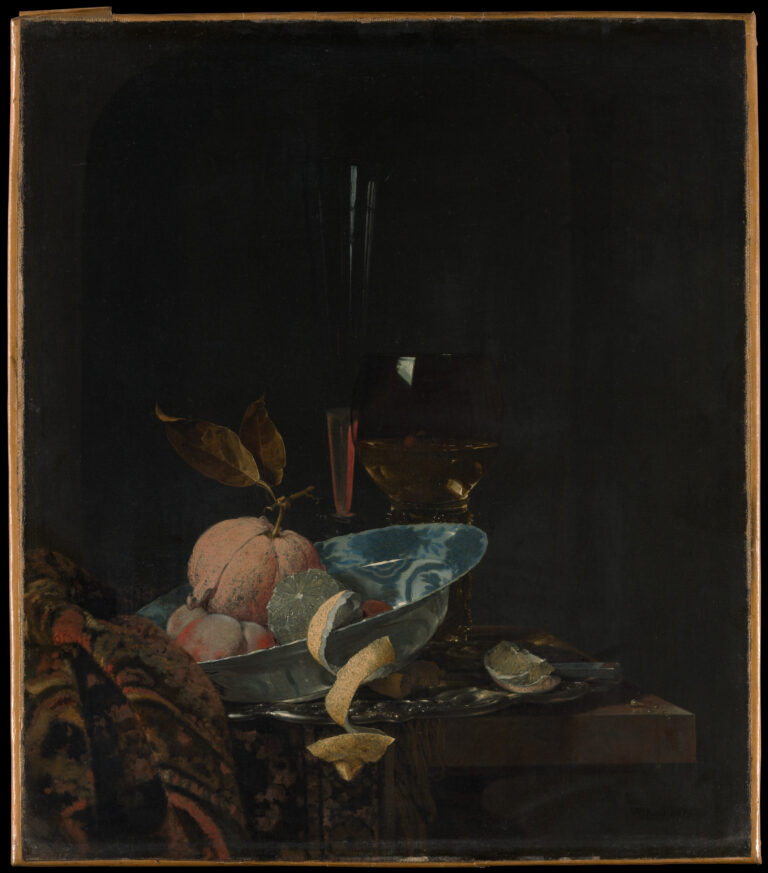
A pie is a circle you can cut.
That is Set’s technique applied to Isis.
1) The Opening Image: “Paper” as the first substitution
The song begins with cold, newsprint, and delivery—an understated but exact depiction of the capture mechanism.
Paper is reality externalized into “report,” “headline,” “version.”
Delivery is the ritual of receiving life from outside rather than knowing it directly.
The body reacts first (shiver), and then the mind rushes to narrate.
Isis is immediate. Osiris begins to comment. And the moment reflection becomes sovereign, the center is no longer lived; it is described.
This is how the VMD “falls away” from the convergence point: not through evil, but through mediation—a subtle transfer of authority from being to information.
2) “The day the music died”: Coherence replaced by culture
In your system, music is not merely entertainment. It is inner coherence—the felt harmony that arises when reflection is transparent and serves awareness.
So when “music dies,” what dies is not melody. What dies is the natural ordering of consciousness.
And what replaces it is not silence—it is culture: eras, tribes, roles, reputations, and the collective agreement that this storyline is “reality.”
This is the moment the system shifts from:
Osiris reflecting Isis (clarity, coherence), to
Set scripting Osiris (image, spectacle), to
Horus living inside the script (identity, persona).
3) “American Pie”: the circle made edible
A pie is wholeness rendered into portions.
That single object encodes the whole sequence:
Isis: the undivided circle (being).
Set: the cut (distinction, concept, “this vs. that”).
Horus: the slice as identity (“my taste,” “my status,” “my era,” “my tribe”).
So “American Pie” becomes a metaphysical title: the civilization-scale habit of turning wholeness into consumable identity units, then calling the consumption “life.”
4) The Chorus: reincarnation as a sing-along
The chorus is communal, repeated, ritual. That matters.
A loop can be liberation or captivity:
Osiris repetition is harmonic: it returns you to the center.
Horus repetition is compulsive: it replaces the center with a slogan about the center.
This is why the refrain hits like liturgy. It trains a shared emotional posture:
loss made pleasurable,
nostalgia made belonging,
“goodbye” turned into a performance.
In your lens, this is the quintessential trap: people bond over the absence of presence instead of returning to presence. The song becomes a vehicle of collective identity—beautiful, true-feeling, and still a spell.
5) The Levee, the Dryness, the “Spirits”: false sacraments
The lyric landscape repeatedly gestures toward a place where “flow” should be held, preserved, and shared—and then shows it failing.
That is the spiritual diagnosis:
the structure meant to hold the waters can’t hold them,
so the system replaces real communion with substitute communion—ritual without center.
Whiskey and rye, gathering and singing, the social warmth of the group: theseThese — AccumulationThese names accumulation: possessions, titles, achievements, beliefs, communities, and other extensions gathered around identity.Read full entry → are not “bad.” They are compensations.
VMD translation: when the convergence point is lost, the mind builds simulated centers—experiences that imitate wholeness while keeping wholeness out of reach.
6) Jesters, kings, and shifting authorities: Set’s coup against reflection
Across the song, authority is unstable. Symbols rotate. Roles blur. Everything becomes performance.
That is Set’s signature:
reality becomes image-management,
meaning becomes manufactured,
and reflection stops clarifying and starts enchanting.
Set does not destroy Osiris; he uses Osiris. He turns reflection into a projector.
And then Horus is born: the self who lives inside projectionThose — ProjectionThose names projection: enemies, outsiders, competitors, threats, and disowned qualities placed beyond the identity boundary.Read full entry → and calls it “me.”
7) The “Book” and the “Sacred”: text replacing presence
Whenever the lyric world gestures toward sanctity, doctrine, or the “book,” your lens reads the same substitution.
living law (direct being) becomes written law (identity’s script),
the symbol becomes the object,
the pointer is mistaken for the destination.
This is not an argument against religion; it is a precision critique of mediation. The moment the living centerShell and CenterShell and Center distinguishes the structure built to preserve, transmit, or protect living source from the living center the structure is meant to serve.Read full entry → is outsourced to a system, Horus gains a throne.
8) The Ending: grief hardened into persona
By the end, the tone feels not only mournful but settled—like a final narrative has been achieved.
That closure is Horus:
identity that carries loss as a badge,
a completed autobiography,
a self stabilized by story.
Set wins when experience becomes autobiography rather than aliveness.
9) The American Pie Movies: the same mechanism, turned into a puberty rite
The films make explicit what the song encodes.
The franchise premise is a cultural sacrament: a group of teens bind themselves to a deadline identity—a pact to achieve a status milestone “before graduation.”
That is Horus-time in contractual form.
Film 1:
American Pie
— Horus is born through the deadline
“Before graduation” = identity forged by a clock.
Virginity becomes a concept-status object.
Desire is scripted by peers, media, and fear of exclusion.
Set runs the internal theater (fantasy, comparison, performance), while Isis—the body, the real—keeps interrupting the script. The comedy is the symptom: reality refuses to obey the persona’s plan.
Film 2:
American Pie 2
— Osiris misused as nostalgia fuel
The sequel impulse is reflection: “let’s recreate the feeling.” That can be healthy Osiris—or it can be Horus using memory to reassert identity.
Here, reflection tends toward:
repetition as proof (“we’re still us”),
memory as stimulant,
the past as a template.
Osiris is present, but conscripted.
Film 3:
American Wedding
— institutional Horus
A wedding is identity made official: roles, vows, witnesses, public recognition.
In your lens, this is the formalization of the persona: the self becomes a legal-social object—a story ratified by the tribe.
Film 4:
American Reunion
— the nostalgia sacrament
A reunion is the altar of time: “remember who we were,” “prove what we became.” It invites everyone to put the old mask back on.
This is the song’s core warning, dramatized: the echo becomes home.
The spin-offs — Set without restraint
As the franchise expands, the formula often becomes more stimulus-driven: escalation, gimmick, spectacle. Archetypally: more Set, less Osiris—less reflection, thinner consequence, identity as consumption.
10) What “America” is, finally
Across the song and the films:
America = the collective machine that trains consciousness to live in time-bound persona.
The song laments the loss of coherence and the rise of mediated culture.
The films depict the initiation ritual that inducts individuals into that culture: milestone, status, script, persona.
Same mechanism; different genre.
VMD Key: a reader’s decoder ring
Use this on any song, movie, myth, or nursery rhyme:
Isis (Awareness / Earth): direct being, body truth, immediacy, the unsliced circle.
Osiris (Reflection / Moon): coherence, witness, clear meaning that points back to presence.
Set (Imagination / Sun): spectacle, projection, narrative intoxication, image replacing essence.
Horus (Identity / Illusion of Man): time-bound self, status milestones, roles, “my story,” “my slice.”
The tell: if the text makes you feel profound while reinforcing persona, it is usually Set + Horus wearing Osiris’ clothing.
Closing: how to “exit the chorus”
The hidden instruction is not to perfect the narrative of loss.
It is to returnReturn — RemembranceReturn names remembrance and release: the loosening of possession so reflection can become transparent to source again.Read full entry → to the center—the unsliced circle—so reflection becomes transparent again.
Not analysis as identity. Not nostalgia as belonging.
Just the quiet reinstallation of Isis as primary.
Mythic Geometry Center
X: mythicgeometry
Instagram: mythicgeometry
TikTok: Geomytha
Substack: Geomytha Noir
Patreon: Geomytha Noir
YouTube: Geomytha