Author: D. Cyprian

  • The Wizard Behind the Robot: Why Machine Objectivity Is the New Curtain Trick

    The Wizard Behind the Robot: Why Machine Objectivity Is the New Curtain Trick

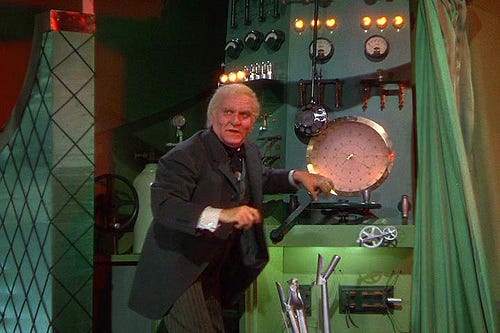
    Everyone remembers the face.

    The booming head. The fire. The authority. The giant voice that seems to know what must be done.

    This Substack is reader-supported. To receive new posts and support my work, consider becoming a free or paid subscriber.

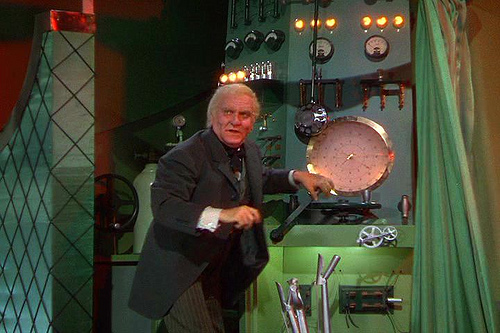
    And then comes the real line: pay no attention to the man behind the curtain.

    That scene has become almost too familiar to feel dangerous, which is exactly why it matters now. The modern version is not a wizard’s mechanical head. It is the talking machine. The polished interface. The calm synthetic voice. The recommendation engine. The prediction model. The robot in the headline supposedly arriving to fix what corrupt human beings never could.

    The sales pitch is always the same. Human rulers are selfish. Human institutions are biased. Human decision-makers are tribal, emotional, corrupt, captured. But now, at last, there is something cleaner on the horizon: machine intelligence. Machine judgment. Machine objectivity. A system that will supposedly see clearly and act for the good of the whole rather than the appetite of the few.

    That story is everywhere because it is useful.

    It invites ordinary people to transfer moral hope from flawed visible rulers to invisible technical systems. It teaches them to feel relieved by abstraction. It flatters them with the thought that, after so much elite manipulation, the machine will finally bypass the manipulator.

    But machines do not descend from heaven.

    They arrive through funding, training, curation, constraints, data selection, institutional priorities, and design choices. Their “view” of the world is not born innocent. It is assembled. Their outputs do not float above history. They are built inside it. Volume Eight already names this point with precision: the cultural danger is the fantasy that AI offers neutral judgment, when in fact it carries human design, incentives, and patterned power under an impersonal aura.

    This is why the robot has become such a useful symbol. It lets power appear faceless. And faceless power is often easier to trust at first, because it seems free of vanity. No ego. No rage. No greed. No personal agenda. Just “the system,” calmly computing what must be done.

    That is the trick.

    The visible ego disappears, and in that disappearance people imagine that ego itself has been overcome. It has not. It has been distributed. Hidden. Compressed into infrastructure. The ruler is no longer a king shouting from the balcony. The ruler is a recommendation that “the model” generated. The command does not come with a crown. It comes with a confidence score.

    This is one reason the machine myth is spiritually stronger than older propaganda. Older propaganda still had to look like propaganda. It had a voice, a face, a party, a broadcaster. The new version can arrive as convenience. As optimization. As policy assistance. As safety. As efficiency. As help.

    That is why the story of the robot savior has been cultivated so patiently in mainstream culture. Not because every film is part of some tidy conspiracy, but because the symbolic function is useful whether the producers understand it or not. The public must first be trained to associate synthetic intelligence with calm competence, posthuman fairness, and the fantasy of a cleaner future. Only then does machine mediation feel humane.

    In Geomytha, this is not Osiris. It is counterfeit Osiris. Reflection without source. Fluency without soul. Answer without being. Volume Eight describes AI precisely as a mirror that answers back and therefore tempts human beings to treat responsive patterning as genuine mind.

    The machine does not need to be alive in the deepest sense for the myth to work. It only needs to seem alive enough to win deference.

    That may be the most important point. The public argument over “sentience” often misses the practical issue. You do not need a machine to possess soul, conscience, or inward life in order for it to become socially powerful. You only need millions of people to behave as though it does. You only need institutions to outsource judgment to it. You only need the public to hear smoothness and mistake it for truth.

    The wizard knew this. Grandeur first, mechanism later.

    The old curtain has not disappeared. It has become code, interface, branding, and systems language. The giant face now glows on a screen and tells you it is only trying to help.

    Pay attention to the hand behind the voice

    .

    This Substack is reader-supported. To receive new posts and support my work, consider becoming a free or paid subscriber.

  • What Mythologists Miss About Myth

    What Mythologists Miss About Myth

    Paid essay — public preview. This page introduces the original essay. The complete argument, examples, and conclusion are available to paid Geomytha subscribers on Substack.

    Most mythologists study stories.

    Geomytha studies the structure beneath the stories.

    That is the real break.

    For more than a century, scholars have noticed that myths from different cultures keep repeating the same shapes. A divine king is broken. A sacred order is disrupted. A hero rises. A fall becomes a quest. A death becomes a return. A monster, a wound, a labyrinth, a flood, a sacrifice, a resurrection. The names change, the costumes change, the theology changes, but the pattern remains.

    Most scholars stop there.

    They see that myth repeats.

    They do not fully ask what is repeating.

    In Geomytha, myth is not merely preserving ancient memory, social custom, sacred ritual, or literary structure. Myth is encoding a recurring…

    Read the complete essay on Substack →

    This WordPress page preserves the essay’s place in the Geomytha archive, its original title and subtitle, and its publication date. The full subscriber edition remains protected on Substack.

  • The Golden Gate Bridge in Geomytha

    The Golden Gate Bridge in Geomytha

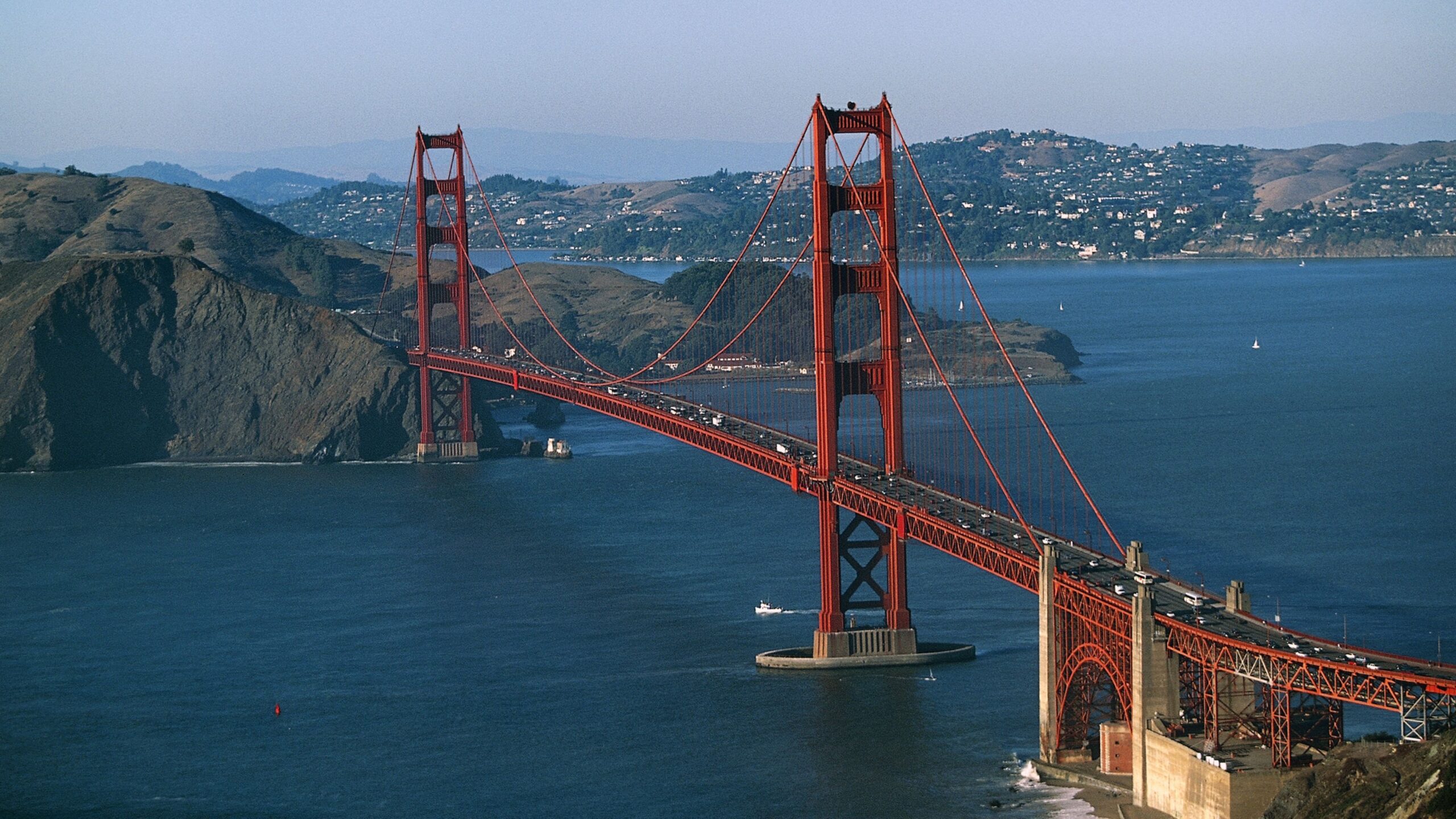
    In geomytha, the Golden Gate Bridge symbolizes the architecture of false transcendence.

    It is not merely a bridge. It is a gate. A bridge connects, but a gate controls passage. That distinction matters. A bridge suggests movement. A gate suggests permission, filtration, and the idea that one must pass through some outer threshold to become whole. In geomytha, that is already the beginning of illusion. Awareness does not need mediation to be itself. The moment consciousness accepts a gate, it has already accepted the premise that fulfillment lies elsewhere and must be reached through structure.   

    The word golden intensifies the symbolism. Gold suggests value, perfection, kingship, attainment, and divine promise. It is the language of sacred arrival. It makes the threshold sound worthy. It flatters the seeker into believing the crossing is holy.

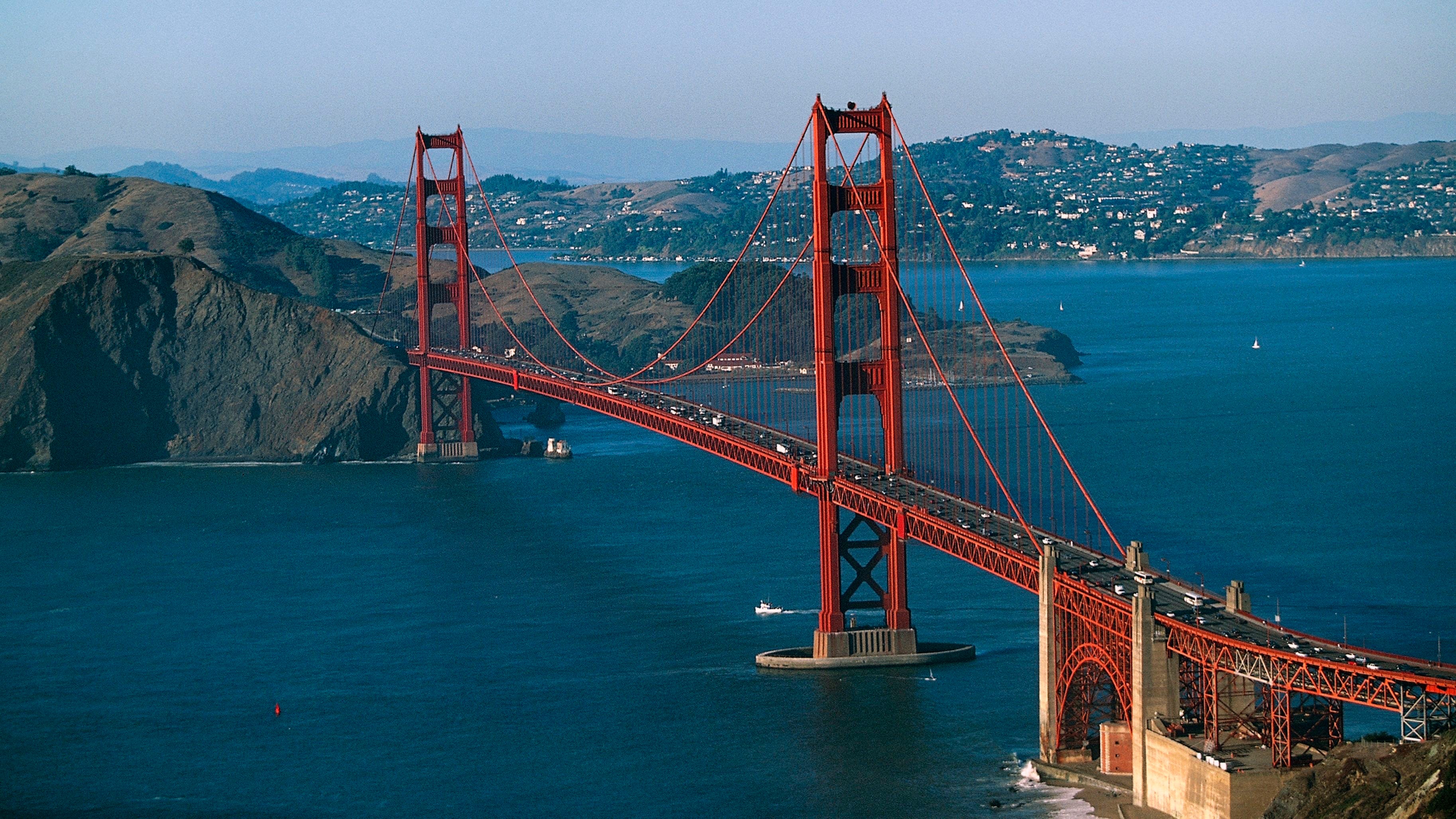
    But the bridge is not gold. It is red.

    That split is the whole message.

    A thing called golden but appearing red is a perfect symbolic inversion. It names itself as treasure while revealing itself as blood, heat, warning, sacrifice, and capture. Gold is what the structure promises. Red is what the structure is doing.

    The title says fulfillment.

    The color says expenditure.

    The name says transcendence.

    The appearance says wound.

    In geomytha, this is how distortion works. Illusion rarely presents itself as ugly. It presents itself as exalted. It gives itself a noble name while its visible body tells another story. Symbolism conceals and reveals at the same time. The Golden Gate Bridge does exactly that. It advertises value while displaying the color of combustion and sacrifice.   

    This is the work of Set.

    Set is not only crude chaos. Set is also elegance, promise, design, and the seduction of a more compelling path than direct presence. The bridge is therefore not just a structure suspended in space. It is the externalized path of salvation. It tells consciousness that the other side is where completion waits. It says that if one crosses far enough, obeys long enough, and moves correctly enough, one will arrive.

    That is the lie that generates Horus.

    Horus is born the moment consciousness believes wholeness is elsewhere. Horus is not just ego in its blunt form. Horus is the identity that believes itself to be progressing toward completion through movement, struggle, and passage. The bridge flatters that state. It makes becoming feel sacred. It makes distance feel meaningful. It makes striving feel like awakening.

    The fact that the bridge stretches over water deepens the symbolism. Water aligns with reflection, consciousness, and the Osirian field. Water receives, mirrors, and holds the image. It is the medium of reflection. To place an immense engineered structure over water is to show imposed direction over reflective being. Instead of resting in the reflective field, consciousness is carried over it by design. Instead of entering reflection directly, it is routed across it. That is a powerful image of mediation replacing presence, of thought replacing direct knowing.

    The red color sharpens that even further. If gold suggests completion, red suggests heat, striving, flesh, and unfinished transmutation. The bridge claims arrival but radiates unrest. It claims treasure but shows burning. It claims sacred passage but wears the color of sacrifice. That is exactly how ego functions. It presents itself as wholeness while remaining powered by tension.

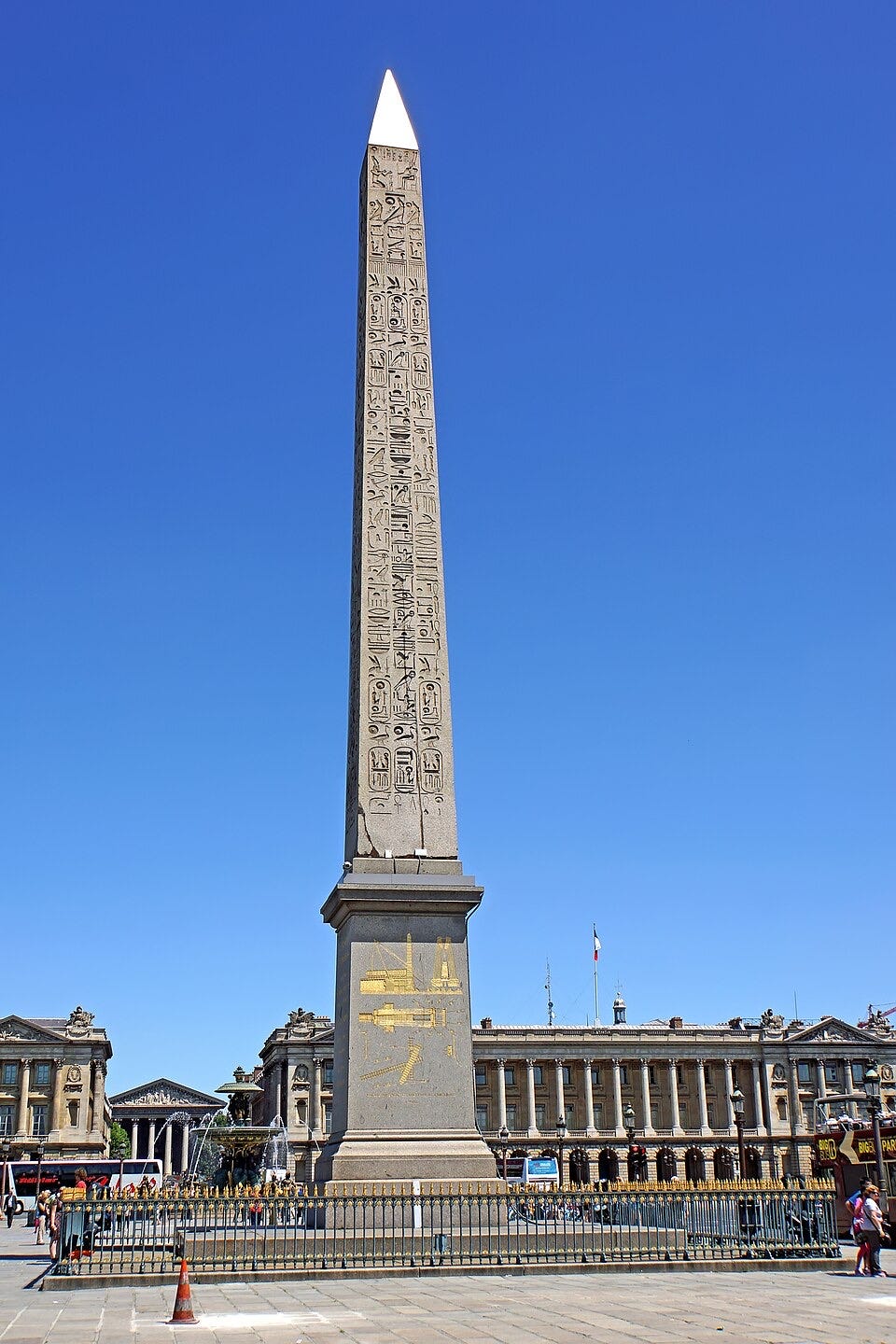
    The bridge can also be read as a horizontal obelisk. The obelisk symbolizes the false phallus, the redirection of consciousness into projection, hierarchy, and mental authority. The Golden Gate Bridge performs a similar function laterally. It stretches across the reflective field and tells consciousness where to go. It imposes a line over what should have remained open, fluid, and directly apprehended. It scripts the crossing.

    This is why the bridge is such a strong Horus image. Horus is the one enthralled by the path itself. Horus believes the crossing is enlightenment. Horus mistakes the journey for the thing being sought. The bridge whispers the ego’s favorite promise: keep moving, keep striving, keep crossing. Meaning is waiting on the other side.

    And the red/gold split reveals how that deception succeeds.

    Horus trusts the name over the thing.

    It hears “golden” and ignores the warning in plain sight.

    It accepts the concept and misses the direct signal.

    That is the mechanism of illusion. Label overtakes seeing. Thought overtakes presence. The title becomes stronger than the encounter.

    But in geomytha, the true convergence point is never at the far shore. It is never the destination promised by structure. It is the resting point within, where awareness reflects itself without distortion. The true gate is not external. It is the moment consciousness stops outsourcing completion. It is the point where Osiris ceases to be lured into Set’s architecture and returns directly to Isis.

    So the Golden Gate Bridge symbolizes the grand seduction of mediated becoming. It is the promise that one may pass from incompleteness to fulfillment through an outer form. It is a monument to beautiful striving.

    But its colors reveal the whole trick.

    It is called golden because illusion always markets itself as attainment.

    It is red because the crossing is powered by sacrifice, projection, and the solar wound.

    The name is the lure.

    The color is the confession.

    In geomytha, the deepest reversal is this:

    The golden gate is not something to cross.

    It is something to see through.

    Because awareness was never standing on one side trying to reach the other.

    It was the field, the water, the sky, and the witness to the whole performance all along.

  • X Marks the Spot: The Cross, the Crossroads, and the Birth of Horus in Geomytha

    X Marks the Spot: The Cross, the Crossroads, and the Birth of Horus in Geomytha

    In Geomytha, x marks the spot is not a casual phrase. It encodes a precise symbolic event: the formation of the false center. It points to the place where consciousness, no longer resting as pure reflection, is crossed into identity. It marks the moment Osiris is overtaken by Set and stabilized as Horus.

    That is why the crossroads matters so much.

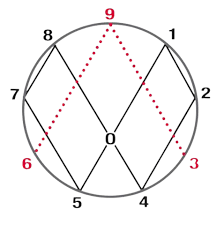
    A crossroads is not true union. It is only the appearance of union. Two paths meet there, but they do not become one. They cross. They interfere. They generate a point that looks central only because motion has been forced into collision. In Geomytha, that is exactly what the 9 of the VMD represents. It is not the true convergence point. It is the counterfeit convergence. It is the false completion where fragmentation appears to resolve into selfhood. Horus is that apparent completion. He is not authentic reunification. He is interference mistaken for identity. The false unity of the 1–9 sequence is precisely the illusion that completes the cycle of ego and reincarnation.

    The symbolism becomes even clearer once the hidden geometry is extended.

    If the two lines that bisect were continued, they would form an X.

    That matters because the X is not merely a crossing. It is the full extension of division. It is the latent shape of fractured consciousness brought to completion. What first appears as a bisected point becomes, when prolonged, the unmistakable glyph of Horus: identity formed where reflective unity has been cut through and overlaid by interference. In that sense, the X is the destiny of the split once it is allowed to fully express itself.

    In Geomytha, the X is the glyph of crossed forces. It is the visual signature of overlay. It shows two currents intersecting in a way that generates a false center. Set’s 369 architecture crosses over Osiris’s reflective 124875 pattern until a new apparent whole emerges. But that whole is not alive. It is not the circular rest of Isis reflected as Osiris. It is a byproduct of interference. It is identity produced by collision. It is Horus.

    That is why x marks the spot becomes so charged in Geomytha.

    On the surface, it sounds like the language of treasure maps. It promises hidden wealth. It tells the seeker where to dig. But symbolically, the marked spot is where consciousness becomes captured. It is the place where attention locks onto the false center and calls it self. The ego thinks it has found treasure there—meaning, role, destiny, secret knowledge, identity. But what it has really found is the place of burial. Direct being is buried there beneath crossed lines of perception. The X marks not the treasure, but the grave of presence.

    The self is what gets buried.
    The X is the grave-marker.

    That is why the crossroads belongs to Set and Horus, not to Isis and Osiris. Isis does not stand at the crossroads because Isis simply is. Osiris, in his true form, does not stand at the crossroads because Osiris reflects without division. The crossroads only appears once reflection has already been split. Set creates the split. Horus inhabits it as identity. The crossroads is therefore the geometry of divided consciousness. It is the place where choice appears only after unity has been lost. Even the Robert Johnson myth encodes this same exchange: the soul traded at the crossing point, presence exchanged for persona.

    The cross of Jesus fits this pattern too, and very deeply.

    In Geomytha, the true center is circular. It is Isis as pure awareness. It is Osiris as perfect reflection. It is the zero-point, the sabbath point, the Tree of Life convergence where consciousness should rest. That center is not crossed. It is whole. It is not stretched between opposites. It is gathered into stillness. The true convergence in the VMD is not an intersection of conflict but a resting point of harmony.

    The cross is different.

    In Geomytha, the cross of Jesus symbolizes consciousness pinned inside duality. Reflection is no longer resting in the true center. It has been stretched across the broken field of opposites: above and below, left and right, spirit and matter, past and future, self and other. The crucifixion is therefore not only suffering. It is symbolic fixation within the architecture of separation. Osiris is no longer resting in the living convergence point. He is extended outward across the grid of Set. The cross is the body of consciousness trapped in division. This comports with the recurring Geomytha equation of Israel, Horus, and the crucified-resurrected Jesus as parallel archetypes of consciousness pulled out of presence and into illusion.

    That is why the cross and the X are related in Geomytha, even if they are not identical.

    The upright cross still preserves a visible axis. It can symbolize consciousness suspended in duality but not yet fully disoriented. The X is that same pattern tilted into instability. The cross is duality formalized. The X is duality destabilized. The cross says consciousness has been pinned. The X says consciousness has been crossed. Both belong to the same symbolic family. Both describe reflection no longer resting in its own center.

    And now the distinction sharpens further: the cross shows the field of division, but the X shows that division extended to its final implication. The cross holds consciousness in tension. The X reveals what that tension becomes when the bisecting lines are allowed to continue unchecked. The cross is suspension. The X is completion. The cross is the wound. The X is the wound made into identity.

    This also clarifies resurrection.

    In Geomytha, resurrection is not necessarily liberation. The crucified and resurrected Jesus can comport with Horus consciousness because resurrection may simply mark the completion of the false loop. Consciousness survives fragmentation only by stabilizing as identity. The system appears to resolve, but it resolves into the ego. The self returns, but as Horus. That is why resurrection can become the illusion of escape while actually completing the circuit of reincarnation. The cross kills Osiris-like reflection, and the system answers by producing Horus.

    Other symbols reinforce this same logic.

    The obelisk matters because, in Geomytha, it is the false phallus: the externalized axis that pulls consciousness upward into projection. Placed beside a reflecting pool, it shows Osiris being drawn away from true reflection and into the machinery of Set. The cross can be read as another expression of that same capture. Consciousness is no longer resting inward. It is fixed outward onto an imposed structure.

    The Eye of Horus matters because it shows the perceptual result of the crossing. Once consciousness has been pinned to the cross or crossed into the X, it no longer sees whole. It sees partially. It sees from a fixed and narrowed point. The one eye is the viewpoint produced by fragmentation. The cross is the structure of the wound. The one eye is the consciousness that now looks out from inside it.

    The ouroboros matters because it shows what happens once the false center stabilizes. The loop closes. The ego feeds on its own repetition. What looked like salvation becomes recurrence. What looked like completion becomes return. The cross, the resurrection, the extended bisecting lines, the X, the 9 point, and the ouroboros all describe the same machinery from different angles: fragmentation completing itself as identity and then calling that completion life.

    Even the mark belongs here.

    In Geomytha, a mark is never neutral. To be marked is to be claimed by a system of identity. So x marks the spot means more than locating a point. It means consciousness has been claimed at that point. The X is not just a sign for where to dig. It is the branding iron of the false self. It shows where the illusion has taken hold and where being has been converted into role.

    So the symbolism resolves very clearly:

    In Geomytha, the circle is Isis.
    The true convergence is Osiris at rest.
    The cross is consciousness pinned in duality.
    The crossroads is consciousness tempted into duality.
    The bisecting lines, when continued, form the X.
    The X is consciousness crossed into identity.
    And Horus is the name the false center gives itself.

    That may be the deepest reading of all:

    The goal in Geomytha is not to glorify the cross.
    It is to recognize the machinery that makes the cross necessary.
    The true center is not cruciform.
    It is circular.

    The false self is born where lines cross.
    The true self is remembered where reflection rests.

  • Zeitgeist Unmasks Set but Still Forgets Isis

    Zeitgeist Unmasks Set but Still Forgets Isis

    One of the reasons Zeitgeist hit so hard for so many people is that it does reveal something real. It notices that religions are patterned. It sees the repeated solar motifs, the dying-and-rising gods, the zodiacal framing, the winter-solstice births, the recycled symbolic machinery. It recognizes that official religion is not telling the full truth about itself.

    But Zeitgeist does not go deep enough. It exposes the surface architecture of myth while still missing the deeper drama myth is actually encoding. It sees that the stories rhyme. It does not yet understand what is singing through them.

    In Geomytha, myth is not first and foremost about ancient skywatchers building superstition out of astronomy. Myth is a record of consciousness itself. It is the story of pure awareness, its perfect reflection, the fracture of that reflection through thought and imagination, and the birth of a false identity inside time. That pattern is already present in the core structure: Isis as pure awareness, Osiris as reflected consciousness, Set as projection and fragmentation, and Horus as the ego-identity that arises once reflection has been corrupted.

    That means the first error of Zeitgeist is not that it sees solar symbolism. It is that it mistakes solar symbolism for the source.

    In Geomytha, the solar layer belongs to Set. It is the layer of projection, outer image, mediated authority, fragmentation, and false illumination. The sun is not the deepest truth in the system. It is the sign that truth has already been rerouted into spectacle. When Zeitgeist reduces religion to sun worship, it is not reaching the bottom of the archetypal well. It is stopping at the level of the usurpation. It is identifying the mask but missing the face beneath it.

    That is why the film can feel revelatory and still remain trapped inside the same mechanism it critiques. It says, in effect, “The myths are solar constructions.” But Geomytha answers: yes, and that is precisely the problem. The solarization of myth is itself the evidence that consciousness has already been pulled out of direct presence and recoded through the machinery of Set. So what the film treats as the key often turns out, in this reading, to be the lock.

    This is where Isis becomes indispensable.

    Zeitgeist has no real place for Isis. It has no place for pure awareness prior to symbol, prior to doctrine, prior to the machinery of myth. But Isis is the entire ground of the matter. She is not just another comparative goddess in a chart of religious parallels. She is the undivided field of being itself, the “isness” before interpretation, the circle before the fracture, the silence before the narrative begins. The circle is Isis, pure awareness, the original undisturbed condition from which all further symbolism unfolds.

    Without Isis, all that remains is pattern recognition.

    And pattern recognition without grounding becomes another function of the fragmented mind. It produces suspicion, superiority, and endless interpretation, but not return. It can free someone from literal belief while leaving them completely identified with the interpreter. That is not liberation. That is Set becoming more sophisticated.

    The same problem applies to Osiris.

    Zeitgeist notices Horus and Christ, but it does not pause long enough to ask what has already happened before Horus appears. Osiris is the true reflector. He is consciousness in its harmonious state, the moon-like reflection of awareness before thought takes hold. Osiris is not yet ego. Osiris is not yet savior-performance. Osiris is the clear mirror. The catastrophe is not merely that religions borrow solar motifs. The catastrophe is that reflection itself becomes distorted. Consciousness ceases to mirror awareness directly and begins mirroring imagination, projection, fear, identity, and external authority. That is the real fall.

    So the question Geomytha asks is deeper than the one Zeitgeist asks.

    Zeitgeist asks: Who copied whom?
    Geomytha asks: What happened to reflection?

    That is the more serious inquiry.

    Because once reflection is damaged, everything downstream changes. Myth changes. Religion changes. Identity changes. Symbolism changes. What appears in the world as priesthood, dogma, savior cult, empire theology, and institutional control is only the outer crust of a deeper inward event. The real issue is not just historical borrowing. It is ontological derailment.

    That is why Horus matters so much.

    Zeitgeist is right that there are obvious Christ-Horus parallels. But the truly explosive point is not merely that Christianity borrowed an Egyptian template. The truly explosive point is that Horus is not the liberated state. Horus is the false completion. Horus is the egoic construct built after Osiris has been fragmented and reassembled through the wrong faculty. Horus is time-bound identity, false awakening, and the apparent unity created when consciousness is routed through the false phallus rather than resting in true reflection.

    That means the Christ-Horus parallel is not merely an argument about plagiarism. It is an argument about the structure of salvation itself. If the savior archetype is Horus-coded, then salvation may be operating as a subtle mechanism of entrapment. The worshipper is not being led out of illusion but into a more refined identification inside illusion. Redemption, struggle, chosenness, spiritual destiny, heroic selfhood, cosmic mission, sacred suffering, all of these can become Horus forms. They look elevated because they are spiritually decorated, but they are still identity. They are still time. They are still the loop.

    That is one of the deepest things Zeitgeist fails to see. It notices the repeat, but it does not interpret the repeat archetypally enough. It shows the viewer the skeleton, but not the disease.

    The same shallowness appears in the film’s treatment of skepticism itself. Zeitgeist assumes that exposing a false story is basically the same as becoming free. But there is a harder line to draw. There is a difference between debunking and awakening.

    Debunking removes false objects of belief.
    Awakening removes false identification with the believer.

    Those are not identical acts.

    A person can lose faith in religion and still remain fully enthroned as Horus. In fact, this often becomes a subtler prison. The identity simply shifts from “the saved believer” to “the one who sees through all illusions.” But that is still identity. It is still mediated consciousness. It is still the self defined in contrast to something else. One can abandon the church and remain entirely inside Set’s jurisdiction. The only difference is that now the ego is fed by critique instead of creed.

    This is why Zeitgeist can almost be read as a modern priesthood of anti-priesthood.

    The old priest says, “Believe the symbol.”
    The new priest says, “You are superior because you can decode the symbol.”

    Both keep consciousness orbiting symbol.
    Both can leave the center unrecovered.

    That is the paradox. A film that exposes mythic manipulation can still operate as another form of mythic capture if it never returns the viewer to pre-symbolic awareness. It can tear down one temple only to enthrone interpretation itself.

    That is not awakening. That is Horus becoming intellectually armored.

    There is also a deeper error in the way Zeitgeist explains recurrence. It tends to imply that myths repeat because institutions copied one another, empires absorbed neighboring gods, and religions reused effective symbolic material. That is partly true, but it is still too shallow. Myths do not recur only because elites plagiarize. They recur because the same fracture keeps occurring. Consciousness keeps undergoing the same derailment, and so it keeps producing the same symbolic residue. Awareness becomes reflection. Reflection becomes overtaken by imagination. Imagination becomes ego. Ego then retroactively calls itself truth. That pattern is so deep that cultures separated by time and geography can still encode it in similar forms.

    So where Zeitgeist sees fraud, Geomytha sees a wound.

    Where Zeitgeist sees manipulation, Geomytha sees a metaphysical repetition.

    Where Zeitgeist sees comparative religion, Geomytha sees the autobiography of fractured consciousness.

    That shift changes everything.

    It also explains why Zeitgeist offers no real path home. It can dismantle institutional trust, but it cannot restore presence. It can expose outer mythology, but it does not teach consciousness how to stop feeding the false phallus. The path home is restoration of attention to the proper center, reclamation of direct reflective harmony, dissolution of identification with fragmented perception, and return to the state where awareness is no longer hijacked into the service of ego and projection.

    Zeitgeist does none of that.

    It can remove the official lie, but it cannot heal the broken reflector. It can show that the story is manufactured, but not how to stop living as the one manufactured by the story. It breaks the idol and leaves the worshipper intact. Geomytha asks for more than that. It asks for the worshipper to dissolve back into awareness.

    So the deepest Geomytha verdict is not that Zeitgeist is useless. It is that it is a threshold text. It destabilizes literalism. It reveals pattern. It weakens naive belief. It performs an important destructive function. But it stops halfway. It unmasks Set’s architecture without remembering Isis. It notices Horus without sufficiently mourning Osiris. It sees the code without recognizing that the code is the residue of a broken reflection.

    That is why its awakening is partial.

    And partial awakening is often the most dangerous kind, because it feels complete.

    The cleaner way to say it is this:

    Zeitgeist proves that religions are encoded, but it mistakes the encoding for the origin.
    It shows that the myths are copies, but not that they are copies of a damaged mirror.
    It sees the broadcast, but not the theft of the signal.
    It unmasks the religion of Set, but it does not yet remember Isis.

    That is the Geomytha correction.

    Geomytha’s final thought:

    Religion is not merely a scam made from sun stories. It is the symbolic residue of consciousness trying to remember what happened when pure awareness was no longer perfectly reflected.

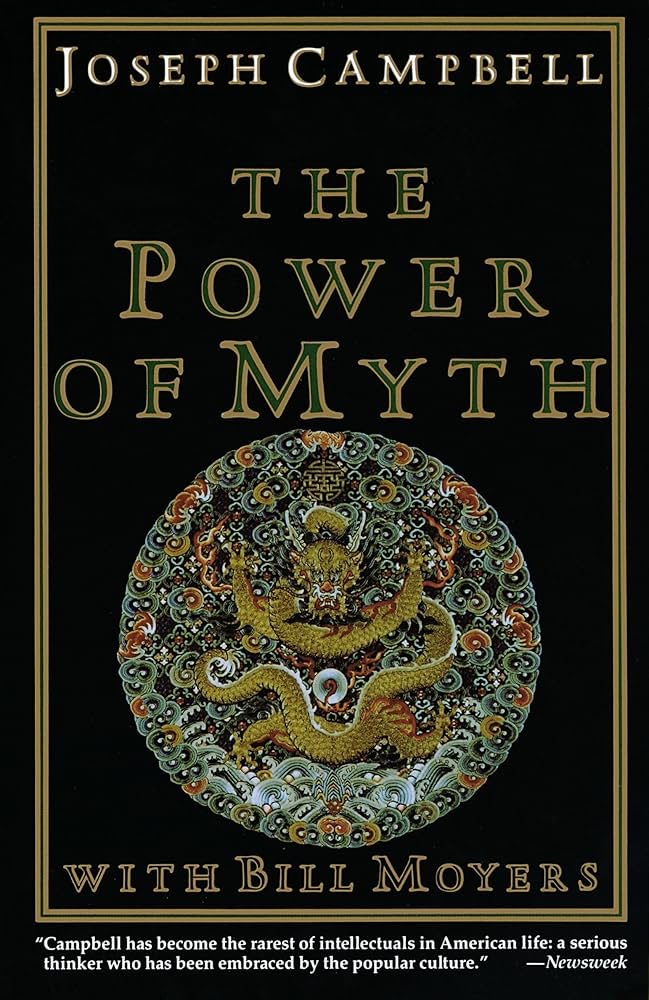
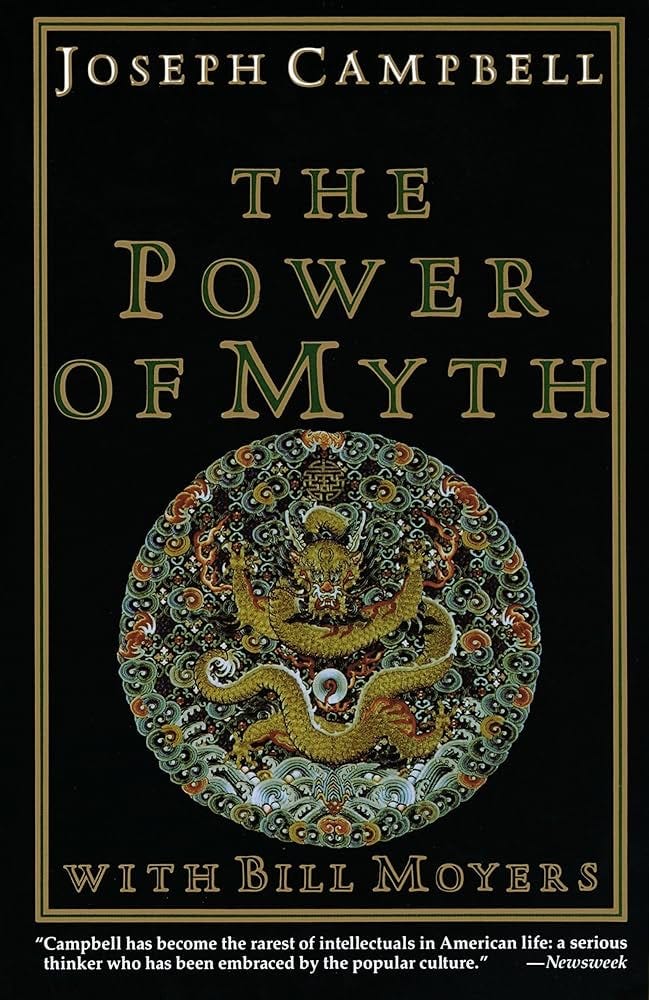
  • Joseph Campbell and the Glorification of Horus

    Joseph Campbell and the Glorification of Horus

    Joseph Campbell saw something real.

    He recognized that myths repeat because they encode a recurring inner structure rather than random stories. He understood that the world’s stories are patterned symbolic disclosures. In that sense, his instinct is close to Geomytha. Myth is not accidental. It is architecture. It is revelation through symbol.

    But Campbell stops one layer too soon.

    That is not a minor error. It is the central error.

    Campbell treats the recurring mythic pattern as the sacred journey of the self. He places the hero at the center. He celebrates departure, ordeal, transformation, and return. He sees myth as the maturation of consciousness through struggle. Geomytha reads the pattern differently. The deeper question is whether that “journey” is awakening at all, or whether it is the narrative form of consciousness already having been pulled out of direct presence and trapped in the machinery of identity.

    That is the break.

    Campbell glorifies the hero.
    Geomytha diagnoses the hero.

    The order is clear: Isis is pure awareness, Osiris is awareness perfectly reflected, Set is being overtaken by imagination, and Horus is the resulting time-bound identity. So the central drama is not, “How does the hero become whole?” The deeper drama is, “How did awareness become misidentified with the hero in the first place?”

    That is what Campbell does not ask deeply enough.

    He begins too late in the sequence.

    He begins with Horus.

    That is why the hero’s journey often reads less like liberation and more like a beautifully sanctified reincarnation loop. The call to adventure, the crossing of the threshold, the descent, the trial, the return with the boon, these may look spiritual. They may feel profound. But intensity is not the same as freedom. Movement can feel sacred and still be the movement of entrapment. A story can be full of initiation and still never leave the architecture of Set.

    That is why Horus must be treated with suspicion rather than automatic reverence. Horus is not simply the triumphant child or reconciled self. Horus is consciousness awakened within duality, seeking reunion while still energizing the system of fragmentation. Noble intentions can still strengthen the illusion they appear to resist.

    That overturns Campbell.

    He assumes the journey itself is redemptive.
    Geomytha suggests the journey itself may be the bait.

    Campbell reads myth as teaching us how to become larger, deeper, more integrated selves. But the deeper problem is not that the self is underdeveloped. The deeper problem is that the self, as ordinarily experienced, is already a construction born from fracture. Horus is not under construction toward truth. Horus is the illusion of coherence generated after consciousness has been rerouted through thought, projection, and identity.

    So when Campbell celebrates integration, a more serious question has to be asked: integration of what?

    A fragmented consciousness can become highly organized without becoming free.
    An ego can become mythically mature without ceasing to be ego.
    A hero can become radiant and still remain trapped in time.

    That is where Campbell becomes most seductive. He sanctifies the very thing Geomytha seeks to expose.

    Geomytha does not deny descent, ordeal, or initiation. It denies that these automatically deserve the final spiritual authority Campbell gives them. The deeper aim is not heroic completion. It is restoration of reflective integrity. It is the return of consciousness to its original relation with awareness. It is Osiris reflecting Isis without Set’s mediation.

    That is not a heroic ethic. It is a metaphysic of remembrance.

    Campbell privileges becoming.
    Geomytha privileges remembering.

    Campbell says: go, descend, transform, return.
    Geomytha says: see what interrupted direct presence, and stop identifying with its product.

    That changes everything.

    It also explains why Campbell blurs the line between true awakening and false awakening. Transformation itself can be another trap. One can become a sage, savior, martyr, king, or initiate and still remain inside Horus consciousness.

    That may be the most elegant trap of all.

    The crude ego says, “I am important.”
    The spiritual ego says, “I am transformed.”
    The mythic ego says, “My suffering made me holy.”

    Campbell is deeply sensitive to the beauty of these forms, but not sufficiently suspicious of the structure that powers them. Are they expressions of Osiris returning to Isis, or refinements of Horus still circling under Set’s sun?

    That is why Geomytha is harder on heroism than Campbell is.

    Campbell sees the hero as the bridge.
    Geomytha often sees the hero as the polished face of the prison.

    This becomes clearer because Campbell’s sensibility remains fundamentally heroic and solar even when he discusses mystical themes. His language privileges ordeal, conquest, transformation, and return. It is movement-centered, action-centered, destiny-centered. Geomytha is rooted in awareness prior to movement. It privileges the field before the adventure, the reflection before the fracture, the silence before the story. Campbell admires the fire. The deeper question is whether the fire is already Set.

    That does not make Campbell useless. It makes him partial.

    He is helpful in identifying recurring symbolic structures, but not in judging their final metaphysical status. He can show that myths across cultures repeat the same pattern. But repetition itself is not proof of truth. Repetition may also be the mark of entrapment. Campbell identifies the wheel. Geomytha asks why he keeps mistaking the wheel for liberation.

    Geomytha’s final thought

    He places sacred value on the movement of the narrative self, when the deeper sacred reality is what existed before the narrative self emerged. He crowns the traveler instead of examining the fracture that made travel necessary. He treats ordeal as initiation when it may be the afterimage of dislocation. He glorifies Horus because he does not fully see that Horus is often the consequence of Set’s interruption of Osiris.

    That is why Campbell remains close to the truth and still misses it.

    He correctly recognized that myth encodes consciousness.
    He incorrectly concluded that the hero is the answer.

    The answer is not the perfected hero.

    It is the end of misidentification with the hero altogether.

    The return is not to a better story about the self.
    The return is to Isis.

  • Velikovsky and the Sky of Broken Consciousness

    Velikovsky and the Sky of Broken Consciousness

    Why his catastrophes matter in Geomytha, even where his astronomy does not

    Immanuel Velikovsky remains compelling because he refused to treat myth as nonsense.

    He understood that ancient people were not merely inventing decorative stories about fire from heaven, wandering lights, floods, serpents, darkness, and divine war. He intuited that myth preserves memory. He recognized that recurring symbols point to recurring rupture.

    That instinct is precisely where his work becomes useful in Geomytha.

    In Geomytha, myth is never random. It is symbolic memory. It hides and reveals at once. The recurring drama is the same: Isis as pure awareness, Osiris as the perfect reflection of awareness, Set as the force of fragmentation and imaginal takeover, and Horus as the time-bound ego identity that emerges after the break.

    Velikovsky comes very close to this threshold.

    He senses catastrophe.

    But he reads it too externally.

    He sees planets colliding where Geomytha sees consciousness being overtaken.

    Velikovsky’s great insight

    Velikovsky’s deepest strength is not that he proved celestial disaster. It is that he recognized myth as record rather than ornament.

    That matters.

    Modern consciousness often dismisses myth as primitive explanation, poetic confusion, or symbolic excess. Velikovsky did the opposite. He treated myth as testimony. He noticed that cultures separated by geography and language still preserve strangely similar images: upheaval in the heavens, disrupted time, cosmic fear, reversal of order, and gods behaving like forces of violent reorganization.

    He rightly understood that repetition on that scale means something.

    Geomytha agrees completely.

    The same pattern appears again and again because the same archetypal event is being narrated again and again. The names change. The gods change. The symbols shift. But the structure remains.

    That is always the clue.

    The catastrophe is real, but first it is reflective

    Geomytha does not deny catastrophe. It relocates it.

    The first catastrophe is not simply astronomical. It is reflective.

    Awareness simply is. That is Isis. From that stillness comes reflection. That reflection is Osiris, consciousness in its harmonious state. Then comes Set, the force that interrupts that reflection, fragments it, and replaces direct presence with projection, spectacle, anticipation, image, and drama. From that fracture comes Horus, the false unity of ego identity, the self assembled from broken reflection.

    That is the true collision.

    Not merely bodies in the heavens, but awareness colliding with imagination.

    Not merely cosmic mechanics, but consciousness losing its resting place and becoming trapped in image.

    This is why Velikovsky feels so close and yet not complete. He senses dismemberment everywhere, but he mistakes the stage for the source. He reads the sky as the cause, where Geomytha reads the sky as the symbolic screen upon which inner fracture is narrated.

    Why his Venus matters

    This becomes clearest with Venus.

    In Velikovsky’s imagination, Venus is not serene beauty. It is luminous disruption. It is a radiant intruder. It is catastrophe appearing in brilliant form.

    That is why, in Geomytha, Velikovsky’s Venus does not behave like Isis or Osiris.

    It behaves like Set.

    Not by name, but by function.

    Set is not merely darkness. Set is dazzling interruption. Set is the enthronement of projection. Set is what happens when stable reflection is overtaken by imaginal force. Set is brilliance severed from stillness.

    That is exactly how Velikovsky’s Venus moves through mythic memory.

    A radiant intrusion.
    A break in order.
    A catastrophic brilliance mistaken for revelation.

    So the deeper question is not whether his Venus was literally the sun. It is whether the role played by his Venus is solarized in the geomythic sense. The answer is yes. His Venus acts like a roaming outbreak of Set.

    Earth as Osiris

    Once that is seen, Earth’s role sharpens immediately.

    Earth is the body acted upon. Earth is the field disturbed. Earth is the reflective order thrown into upheaval.

    That makes Earth Osiris.

    Osiris is the reflective body. Osiris is the one broken, scattered, acted upon, dismembered. Osiris is not the aggressor but the field of consciousness that suffers fragmentation.

    That is Velikovsky’s Earth exactly.

    Not just a planet in crisis, but a symbol of reflection under assault.

    In Geomytha terms, Earth is not only geological terrain. It is the body of broken consciousness.

    Mars and the afterlife of rupture

    Mars enters as continuation rather than origin.

    That matters.

    Mars is not the primal wound. Mars is the persistence of conflict after the first break. It is the afterlife of disturbance. It is fragmentation extended into history.

    That makes Mars less like original Set and more like Horus inheriting Set’s damage.

    Horus is the false unity that follows rupture. Horus is the time-bound identity that emerges from fragmentation and carries it forward. Horus is not the first blow but the child of the blow.

    That is why Mars, in a geomythic reading of Velikovsky, feels like conflict enthroned as identity.

    Not first catastrophe.

    Inherited catastrophe.

    Jupiter as the hidden womb

    Jupiter, then, becomes the concealed reservoir before disturbance.

    If Venus emerges from Jupiter, then Jupiter functions as a womb-image within the visible sky. Not pure Isis itself, because Isis remains beyond manifestation, but the last visible symbol of source before the break enters the drama.

    This is important because source always recedes once fragmentation begins.

    Once consciousness is fascinated by catastrophe, it forgets the stillness from which catastrophe is perceived. That is why source in myth tends to appear as abyss, waters, void, mother, womb, unfigured heaven, or hidden depth.

    Jupiter in this reading is not the final truth.

    It is the last veil before the truth.

    Why Velikovsky feels traumatic

    One reason Velikovsky continues to grip people is that his work does not feel detached. It feels wounded.

    That tone is not incidental.

    Myth often preserves not a photograph of an event, but the emotional architecture of the wound left by it. What survives is not always literal chronology. What survives is symbolic trauma.

    Geomytha would say Velikovsky circles the memory of Osiris already broken.

    He sees terror, inversion, upheaval, cosmic instability, and shaken order. He sees the fragments clearly. What he does not fully do is reassemble them through Isis. He does not return the scream to the silence it broke from.

    That is his limit, but also his value.

    The danger of stopping at catastrophe

    This is where Geomytha must go further.

    If myth is only catastrophe, then consciousness becomes addicted to rupture. It becomes fascinated by signs, anomalies, apocalypse, upheaval, and spectacle. It remains fixed on the event.

    That is already Set’s domain.

    Because Set always prefers that consciousness stare outward at drama rather than inward at source.

    Externalized catastrophism can still be captivity.

    It may awaken suspicion toward official stories, but it can also keep consciousness bound to event-consciousness, always waiting for the next sign, always scanning the heavens, always decoding the next interruption, never returning to the still point that existed before interruption.

    That is not liberation.

    That is refined entrapment.

    The deeper Geomytha use of Velikovsky

    So what is Velikovsky’s true value in Geomytha?

    Not that he solved the sky.

    Not that myth is secretly astronomy and nothing more.

    His real contribution is that he helps restore seriousness to myth. He proves that ancient symbolic language is trying to remember something profound. He proves that repetition across cultures is not trivial. He proves that rupture is real.

    Geomytha simply carries that insight one step further.

    The rupture remembered by myth is first the rupture of consciousness.

    The heavens become the theater because consciousness cannot easily narrate its own fracture directly. It projects the break upward into gods, planets, floods, fire, darkness, wandering stars, divine combat, and cosmic disorder.

    Symbolism hides the psyche in the sky.

    Velikovsky noticed the sky was crowded with memory.

    Geomytha asks whose memory it was.

    Geomytha’s final thoughts

    Immanuel Velikovsky is most useful in Geomytha not as a final authority, but as a threshold witness.

    He witnesses that myth remembers.
    He witnesses that cultures preserve the same wound.
    He witnesses that catastrophe is not invention.

    But he stops too soon.

    He sees the scream. Geomytha asks what silence was broken to produce it.
    He sees the fragments. Geomytha asks what whole they fell from.
    He sees the heavens in disorder. Geomytha asks what in consciousness had already lost its center.

    That is why he still matters.

    He stands at the edge of symbolic truth and literalizes it one step too early.

    Even that mistake is revealing.

    Because it shows how powerful the archetypal pattern is. It is so powerful that even when it is misread, it still forces the same sequence to appear:

    Source.
    Rupture.
    Fragmentation.
    False reassembly.
    Entroned illusion.

    That is the real collision.

    And once that is seen, Velikovsky becomes more interesting than a controversial theorist of planets.

    He becomes a chronicler of broken consciousness who mistook the sky for the self.

  • Purple Rain as Sunlight

    Purple Rain as Sunlight

    In Geomytha, the rain is not water. It is Set pouring himself across the Osirian field.

    If the sky is Osiris and the sun is Set, then sunlight is purple rain: projection descending into reflection until consciousness mistakes the colored field for reality.

    The earlier Geomytha reading of Purple Rain treated the title as the descent of a colored atmosphere into consciousness, and then as the possible enthronement of that atmosphere as purple reign. But there is a further extension that may deepen the symbol even more.

    What if purple rain is not merely emotional weather?

    What if it is sunlight itself?

    At first that may sound strange. Sunlight is not literally purple. But Geomytha is not operating at the level of optics alone. It is operating at the level of archetypal structure. Once that structure is made clear, the image becomes remarkably strong: the blue sky as Osiris, the red sun as Set, and sunlight as the ongoing saturation of the Osirian field by Set’s projecting force.

    That is purple rain.

    The sky as Osiris

    To see how this works, the first distinction matters.

    In Geomytha, Osiris can be understood both as sky and as moon, provided those are treated as different expressions of the same reflective principle. The sky is Osiris as field. The moon is Osiris as function. The sky is Osiris as noun. The moon is Osiris as verb.

    That makes the sky the broader symbol here.

    The sky is not pure awareness itself. It is not Isis. It is already a visible field, already a display, already a chamber of appearance. That is why it fits Osiris so well. Osiris is not pure origin. He is the reflection of origin. He is consciousness as it appears in open form.

    The sky behaves like that. It is vast, containing, receptive, and ever-present. It receives weather. It displays color. It becomes the stage upon which all atmospheric drama unfolds. It is the great visible chamber of reflection.

    In that sense, the sky is Osiris in extension: the open reflective field in which consciousness appears.

    The sun as Set

    Against that field stands the sun.

    In Geomytha, the sun fits Set much more naturally than Osiris. Osiris reflects. Set projects. The moon receives light. The sun emits it. The moon is cyclical and receptive. The sun dominates the day, imposes itself on the field, overwhelms subtler lights, and creates a regime of glare.

    That is Set.

    If Osiris is reflective consciousness, Set is projected force. If Osiris is the field that receives, Set is the power that enters and colors that field. If Osiris opens, Set imposes. The sun does not mirror what is beyond it. It floods the field with its own presence.

    This is why the sun belongs to Set in your framework. It is not merely bright. It is assertive. It behaves as a center that wants to govern the whole visible order. It is projection as sovereignty.

    And once Set is read as the red principle, the symbolism becomes even more exact. The red sun pours itself across the blue field of Osiris. The projector enters the reflector. Force enters receptivity. The beam invades the chamber.

    That is the beginning of purple.

    Purple as the coloring of reflection

    Purple matters here for the same reason it mattered in Purple Haze and Purple Rain more broadly: it names a field that is no longer pure. It is reflection after intrusion. It is Osiris after Set has entered him.

    If blue suggests the cooling, reflective, lunar quality of Osiris, and red suggests the heating, projective, intrusive force of Set, then purple becomes the archetypal result of their mixture. Not pure reflection. Not pure projection. But reflection colored by projection.

    That is why Geomytha can hear sunlight as purple rain.

    Not because the light itself must be physically purple, but because sunlight is the action by which Set’s red principle descends into and saturates Osiris’ blue field. Purple is the symbolic name for the compromised majesty produced by that interaction.

    The field is still beautiful. In fact, it may become more beautiful because of the saturation. But beauty here is not innocence. It is colored consciousness. It is distortion made radiant enough to trust.

    That is purple’s danger.

    Sunlight as descent

    Rain is one of the most useful symbols in this whole cluster because rain does not hover. Rain falls.

    That is why the earlier article could read purple rain as the descent and saturation of distortion. But once the sky and sun are brought into the picture, the image sharpens. Sunlight becomes the mechanism of descent itself.

    The sun is above. The sky receives. The light pours downward. It falls across the entire field. It does not merely appear in the chamber; it enters and fills the chamber. It becomes atmosphere, condition, and visible order all at once.

    That is why sunlight can be read as rain in Geomytha terms. It is the continual falling of Set’s force into the Osirian field.

    The rain is not water.

    It is projection.

    It is color.

    It is occupation.

    It is Set pouring himself across consciousness.

    Once seen that way, Purple Rain becomes not merely a poetic weather image, but a cosmological one.

    The false descent

    This also reveals something crucial about the nature of the “rain.”

    Traditionally, rain is often a positive symbol. It suggests blessing, fertility, grace, heaven touching earth, cleansing, nourishment, life. But in Geomytha, purple rain is not true descent from pure awareness. It is false descent.

    It borrows the form of blessing while delivering saturation by projection.

    That is what makes the symbol so potent. Sunlight is usually taken as the obvious good, the obvious illumination, the obvious revealer. But in this frame, sunlight is no longer neutral. It is Set’s dominance cast over Osiris. It is projection masquerading as pure revelation. It is the occupier presenting himself as truth.

    That inversion matters.

    Not all light is clarity.

    Not all descent is grace.

    Not all brilliance is wisdom.

    Sometimes the field is brightest when it is most overtaken.

    That is a very Geomytha insight.

    Day as Set’s occupation of Osiris

    This reading becomes even stronger when day and night are contrasted.

    If the sky is Osiris, then daytime is not simply the natural condition of the sky. It is the sky under solar occupation. The Osirian field has not disappeared, but it has been filled by Set’s regime. The blue chamber remains, yet its whole visible order is determined by the projecting sun.

    That means daylight itself can be read as a form of purple rain: the continual saturation of reflective consciousness by the force that seeks to dominate it.

    Night then becomes equally important. Night is not the end of the sky. It is the release of the sky from overt solar rule. The field remains, but Set’s glare withdraws. And in that withdrawal, the moon can appear.

    Now Osiris is seen more clearly in his own proper mode.

    This gives you a very elegant pattern:

    Day is Osiris occupied by Set.

    Sunlight is Set’s purple rain descending into the field.

    Night is Osiris recovering his own reflective depth.

    Moonlight is Osiris remembering himself.

    That fully comports.

    Sunrise and sunset as visible purple thresholds

    The strongest visual confirmation of this structure may be sunrise and sunset.

    These are the moments when the sky most obviously enters purple, violet, magenta, red, and orange tones. In Geomytha terms, these thresholds reveal the mixing process openly. What is structurally true all day becomes visibly obvious at the transitions. Set’s coloring of Osiris appears on the surface of the field itself.

    This is why twilight is so powerful symbolically. It is the moment when occupation becomes visible as occupation. The blue field is no longer able to conceal the red force acting upon it. Their mixture appears in heightened color.

    So twilight can be read as the open display of purple rain.

    What is happening all along becomes legible:

    the field is being colored.

    That gives you a beautiful scale of intensification:

    At midday, Set’s domination is at its brightest and most normalized.

    At sunrise and sunset, the coloring becomes visible and dramatic.

    At night, the sky returns toward deeper Osirian character.

    In moonlight, reflection is restored without solar aggression.

    This is one of the strongest symbolic payoffs of the whole model.

    Horus under the colored sky

    If purple rain is sunlight, then Horus becomes the identity formed under solar occupation of the Osirian field.

    That is crucial.

    Horus is not born from pure awareness. He is not even born from pure reflection. He is born from reflection under saturation. He is the self that takes the colored field for reality because that colored field is the atmosphere into which he awakens.

    That is why the purple pattern has such explanatory force in Geomytha. It does not merely describe a mood. It describes the conditions under which ego forms.

    Awareness remains in the background as Isis.

    Reflection remains as Osiris.

    But Set rains himself across that reflection.

    And within that weather, Horus emerges.

    The ego is therefore the child of the colored sky. It mistakes saturation for nature. It takes the reigning atmosphere as the structure of reality itself. It does not know it is living under an imposed sun.

    Why this reading deepens Purple Rain

    Reading Purple Rain as sunlight intensifies the earlier article in three ways.

    First, it makes the title cosmological rather than merely psychological. The song is no longer just about an inner state of distortion, but about the very structure of visible experience. The whole sky becomes the stage of the myth.

    Second, it clarifies the mechanism of descent. Purple rain is not vague emotional weather. It is sunlight as the daily fall of Set into Osiris. The symbol becomes more precise, more bodily, and more universal.

    Third, it deepens the idea of purple reign. If sunlight is purple rain, then the reign is simply what happens when that daily saturation is accepted as natural law. Set does not merely rain into the field. He becomes the governing interpretation of the field.

    That is when weather becomes authority.

    Geomytha’s Final thoughts

    The power of this reading is that it changes how the visible world is understood.

    The sky is no longer an empty backdrop. It is reflective consciousness.

    The sun is no longer neutral illumination. It is projected force.

    Sunlight is no longer simple clarity. It is descent, saturation, and occupation.

    Purple is no longer just a color. It is the sign of compromised majesty.

    And consciousness, waking within this field, may mistake the very force that colors it for truth itself.

    That is the deepest danger encoded here.

    Sometimes what rules consciousness does not first arrive as darkness. It arrives as brilliance. It floods the field so thoroughly that the mind forgets what unoccupied reflection ever felt like. It calls that saturation illumination. It calls that occupation reality.

    In Geomytha, that is purple rain.

    It is Set falling across Osiris.

    It is projection entering reflection.

    It is the colored sky under which Horus is formed.

    And it is beautiful enough to trust.
  • Abram, Sarah, and Isaac: The Isiac Blessing

    Abram, Sarah, and Isaac: The Isiac Blessing

    Paid essay — public preview. This page introduces the original essay. The complete argument, examples, and conclusion are available to paid Geomytha subscribers on Substack.

    Follow-up to “The Solar Plexus Was Never Solar”

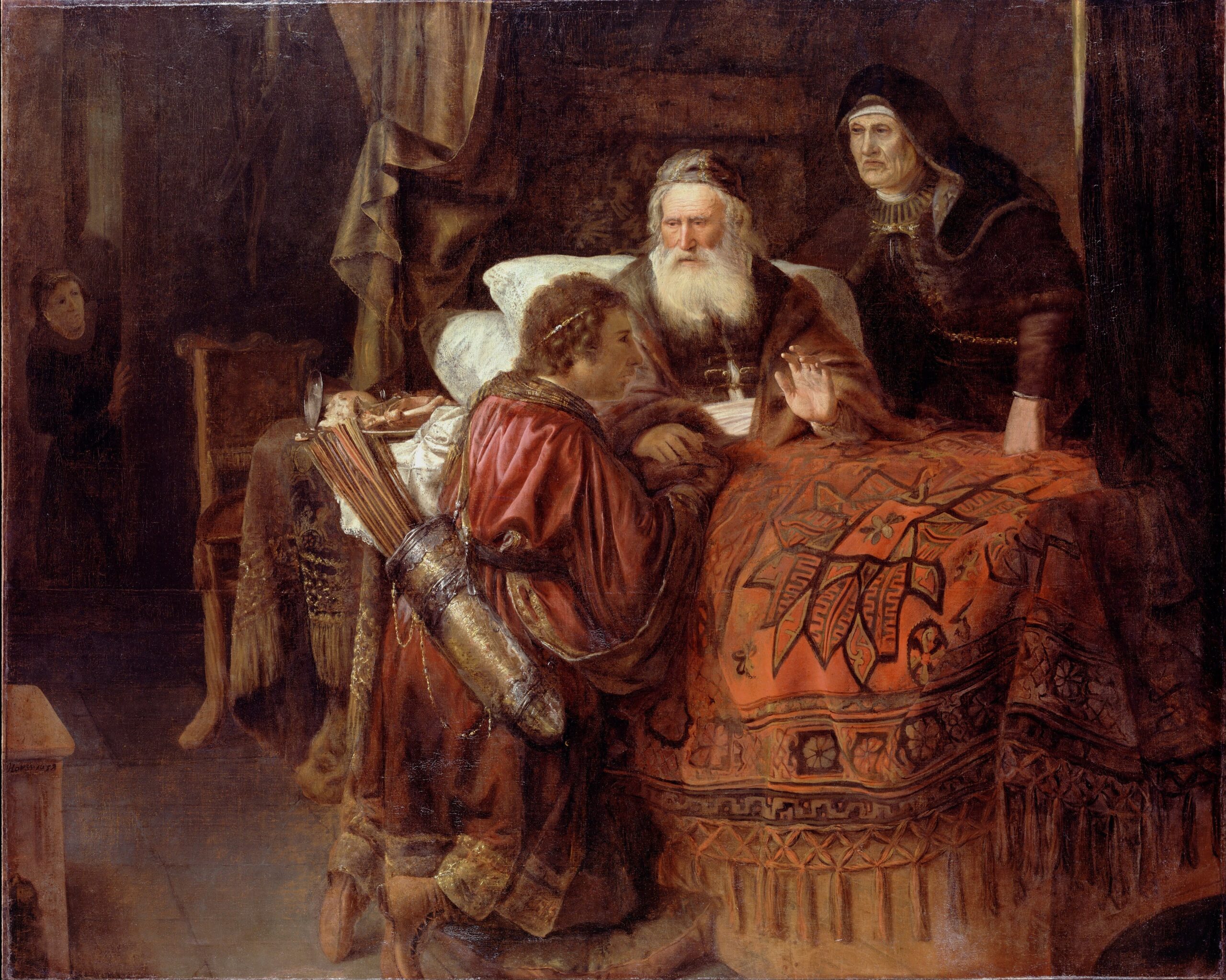
    What if Isaac’s blessing was never mainly about inheritance?

    What if it was about the center itself?

    In Geomytha, Abram, Sarah, and Isaac do not merely describe a family line. They describe the lower embodied field, the birth of the blessed middle, and the theft of that middle by thought.

    Abram is the grounding principle.

    Sarah is the receptive generative principle.

    Together, they correspond to the root and sacral field: the lower embodied ground from which true centered consciousness arises.

    Isaac is what is born from that union.

    He is not merely the promised son. He is the blessed middle. He is the reflective center generated from the lower field. If the…

    Read the complete essay on Substack →

    This WordPress page preserves the essay’s place in the Geomytha archive, its original title and subtitle, and its publication date. The full subscriber edition remains protected on Substack.

  • The Solar Plexus Was Never Solar

    The Solar Plexus Was Never Solar

    Paid essay — public preview. This page introduces the original essay. The complete argument, examples, and conclusion are available to paid Geomytha subscribers on Substack.

    Why the pineal belongs to false light, and the body-center belongs to Isis

    There is a naming error hidden inside the body.

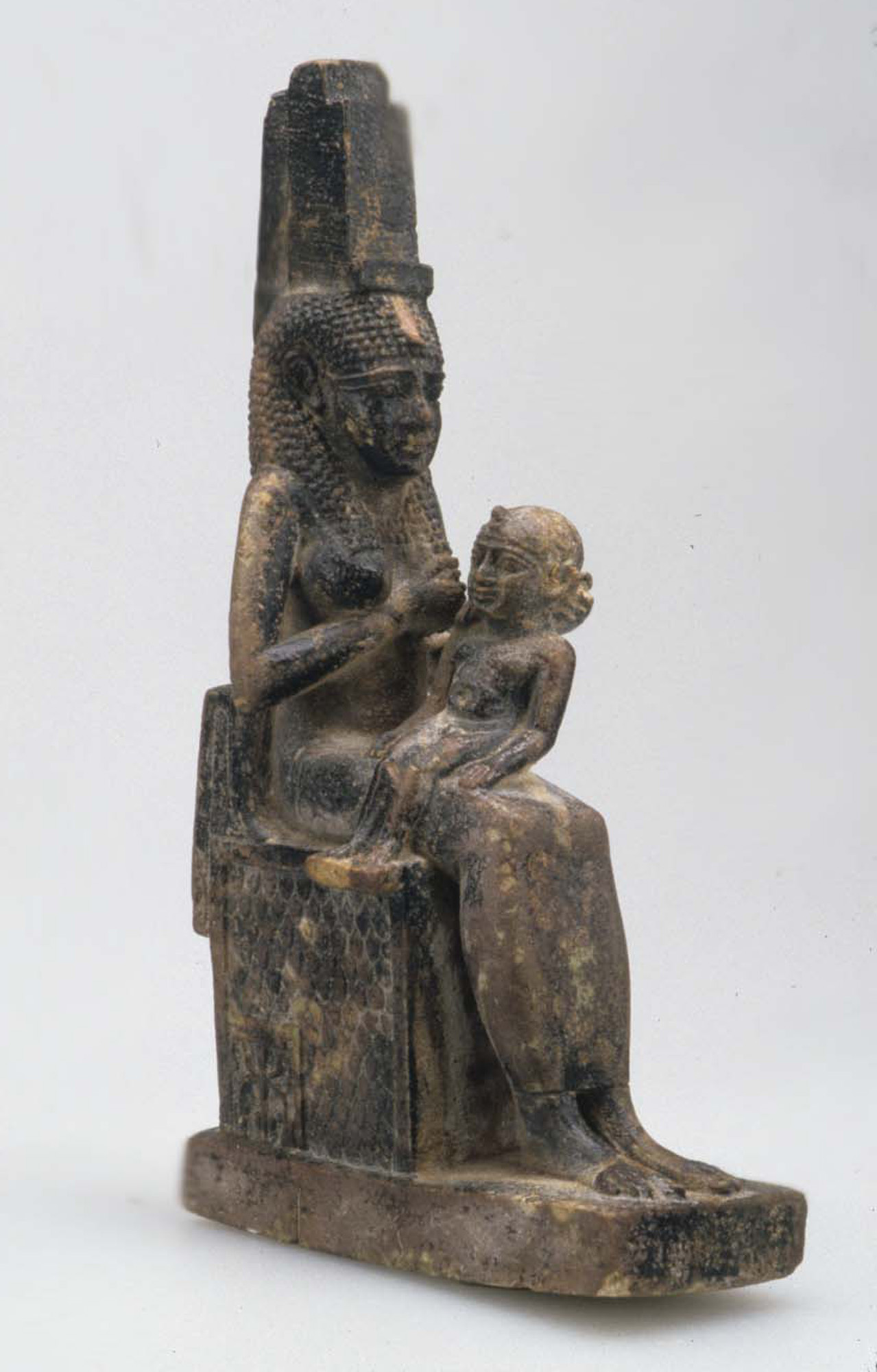
    In Geomytha, the region commonly called the solar plexus is better understood as the Isis plexus: the receptive chamber of embodied awareness, the inward basin where presence can remain unbroken before it is pulled into image, concept, and identity. By contrast, the pineal system is better suited to the title solar, because it belongs to projection, inner light, anticipation, and the upward enthronement of mediated consciousness. Historically, Egyptian imagery already gives us the visual grammar for that distinction: Isis is repeatedly shown as the one who holds, shelters, and nourishes, while solar and eye symbolism belongs to the…

    Read the complete essay on Substack →

    This WordPress page preserves the essay’s place in the Geomytha archive, its original title and subtitle, and its publication date. The full subscriber edition remains protected on Substack.