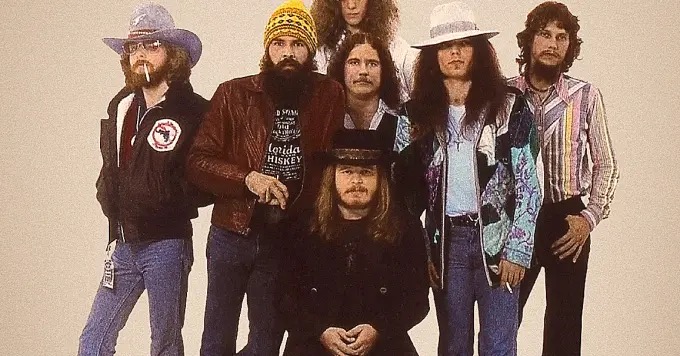
Lynyrd Skynyrd’s “Gimme Three Steps” is usually heard as a funny barroom escape story. Guy meets girl. Wrong man notices. Gun appears. Chaos follows. But through the Geomytha lens, the song is doing something much older and much stranger. It is staging, in miniature, the entire fall from grounded awareness into projected conflict.
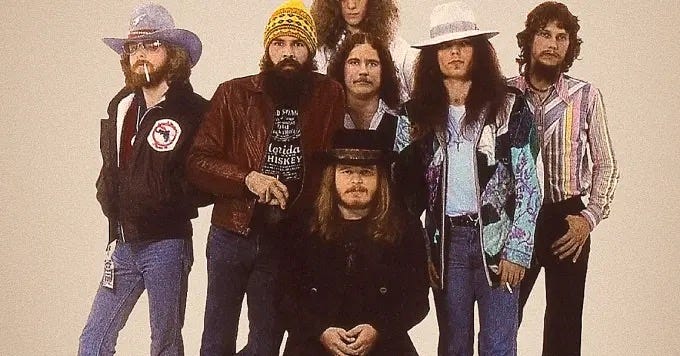
It starts in rhythm. That is the first clue.
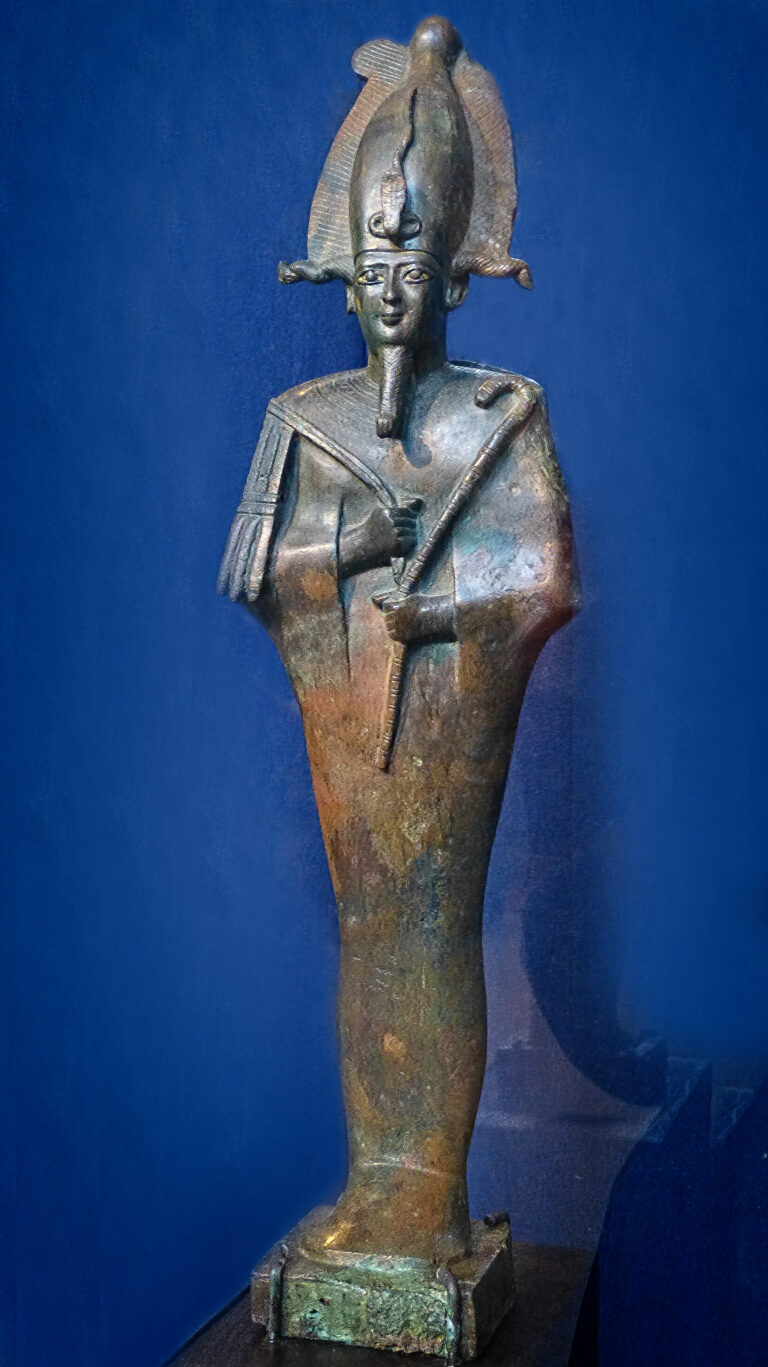
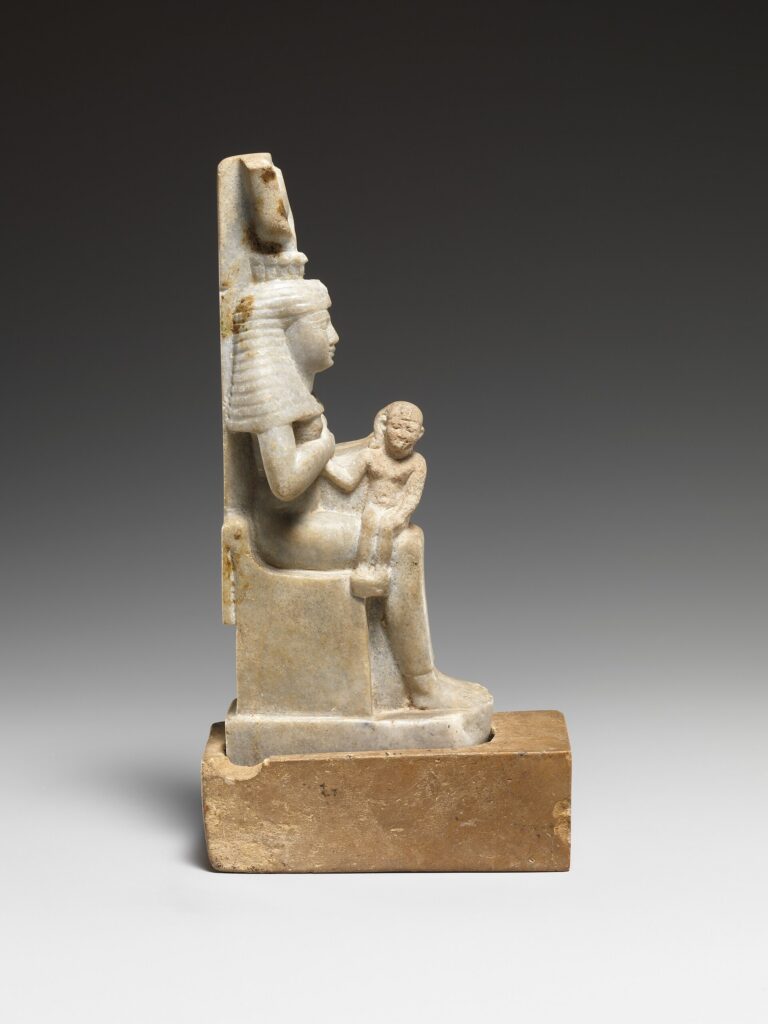
The opening setting is not philosophical. It is not abstract. It is bodily, social, immediate. There is movement, music, atmosphere, and participation. The speaker is inside life before he is inside a story about life. In Geomytha, that opening belongs to IsisIsisIn Geomytha, Isis names the unclaimed field: Is — pure being, awareness before possession, and the ground before the claimant appears.Read full entry → as the grounded field and OsirisOsirisIn Geomytha, Osiris names reflected presence: Am — awareness reflected as living consciousness without yet becoming ownership.Read full entry → as the living reflectionAm — ReflectionAm names reflected presence: awareness embodied or mirrored without yet becoming ownership.Read full entry → of that field. The dance floor is earth-consciousness in motion. The self has not yet hardened into defense.
Then reflection appears in attractive form.
The woman in the song is not merely a literal woman, though she works perfectly well at that level. Symbolically, she is reflected beauty, reflected fascination, the shimmer of life becoming an object of attention. This is Osirian territory: life appearing as something luminous and desirable within the field of experience. But in Geomytha, reflected beauty is always vulnerable to seizure. The moment attention clings, the reflected world can be converted into claimI — ClaimI names claim: the interruption by which reflected presence is taken as mine.Read full entry →, rivalry, and threat.
That is when SetSetIn Geomytha, Set names the claimant: I — the interruption by which reflection is taken as mine and converted toward ownership.Read full entry → arrives.
The other man does more than interrupt a dance. He transforms the whole structure of the scene. What was open becomes territorial. What was embodied becomes psychological. What was shared becomes divided into mine and yours, offense and defense, consequence and fear. That is classic Set: not merely a villain, but projected perception overtaking the field and reorganizing reality around conflict.
And once Set enters, HorusHorusIn Geomytha, Horus names the identity that forms after claim: This — the body, role, image, wound, belief, or story taken as what the self is.Read full entry → appears almost instantly.
The speaker is no longer just dancing. He is now a threatened identityThis — IdentityThis names the formed identity: the body, role, image, wound, belief, or story claimed as what the self is.Read full entry →. He has become a character with something to lose, a body in time, a self urgently trying to preserve its future. This is why “Gimme three steps” matters symbolically. It is not just a request for physical distance. It is a plea for a sliver of time in which the ego can escape destruction.
That is the secret engine of the song.
Horus never says, “Let me wake up from the illusion.” Horus says, in effect, “Give me just enough time to survive it.”
That is why the song is so funny and so true. It is not a song about transcendence. It is a song about emergency ego formation. It captures the absurd speed with which human consciousness falls out of rhythm and into drama. One moment there is music. The next moment there is threat, possession, and a desperate need for exit.
The gun intensifies the symbolism. In Geomytha terms, the gun is projected will hardened into immediate consequence. It is imagination compressed into fate. It collapses the distance between psychic claim and bodily danger. Once the gun appears, Set’s field is no longer vague or emotional. It becomes mechanical, decisive, and temporal. Horus must move now.
That makes the “three steps” feel almost ritualistic. They are the smallest possible escape corridor. A tiny liturgy of survival. Not liberation, not full returnReturn — RemembranceReturn names remembrance and release: the loosening of possession so reflection can become transparent to source again.Read full entry → to Isis, but a narrow break in the enclosure. The ego is not healed. It is merely given room to run.
So the symbolic sequence of the song looks like this:
Isis gives the grounded field.
Osiris reflects it as music, movement, attraction, and participation.
Set enters as jealousy, possession, and projected threat.
Horus is born as the frightened time-bound self asking for enough distance to continue.
That is why the song works as more than a Southern anecdote. It is a myth of interruption. It dramatizes how quickly awareness can be overtaken by projectionThose — ProjectionThose names projection: enemies, outsiders, competitors, threats, and disowned qualities placed beyond the identity boundary.Read full entry →, and how instantly identity appears once the field is reorganized around conflict.
The deeper meaning is not: I almost got shot.
The deeper meaning is:
The moment reflection is seized by projection, identity is born as panic.
That may be one of the cleanest Geomytha readings imaginable. The song is catchy because the structure is universal. Most lives move exactly this way. There is first a living field. Then fascination. Then claim. Then threat. Then the self appears as a frightened manager of consequences.
So in the end, “Gimme Three Steps” is not just about running from another man.
It is about the ego trying to outrun a world that projected perception has already broken.
And that is the joke beneath the joke: once Set walks into the bar, Horus doesn’t ask for truth. Horus asks for time.