Ancient myths are full of kings.
But they are equally full of strange figures who never become kings.
They guide.
They interpret.
They accompany.
They stand at the edge.
And then they disappear.
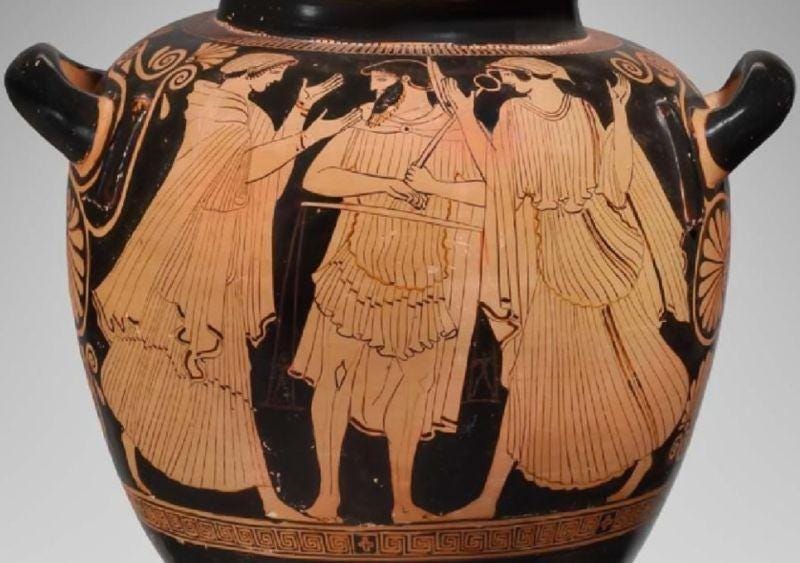
Hermes is one of the most remarkable examples.
He is not Zeus.
He does not sit upon the throne of Olympus.
He is the messenger.
The guide.
The traveler between worlds.
The Greeks called him Psychopompos, the guide of souls.
He escorts the living and the dead.
He crosses boundaries.
He enters places where kings cannot go.
And yet Hermes never seeks the throne.
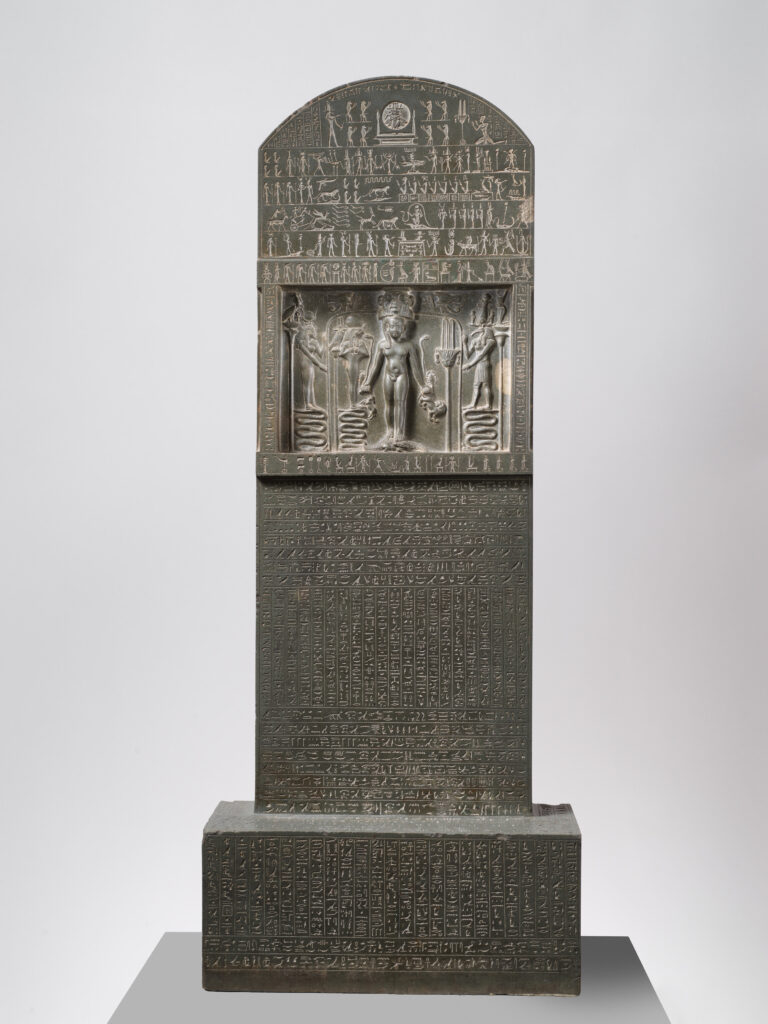
Ancient EgyptReferenceEgyptAncient Egyptian cultural and mythic field referenced by the essay.Read full entry → preserves a similar figure.
ThothReferenceThoth — Egyptian Deity of Writing and ReckoningEgyptian deity shown recording the result in the weighing scene.Read full entry →.
The ibis-headed scribe.
The recorder of truth.
The witness of the scales.
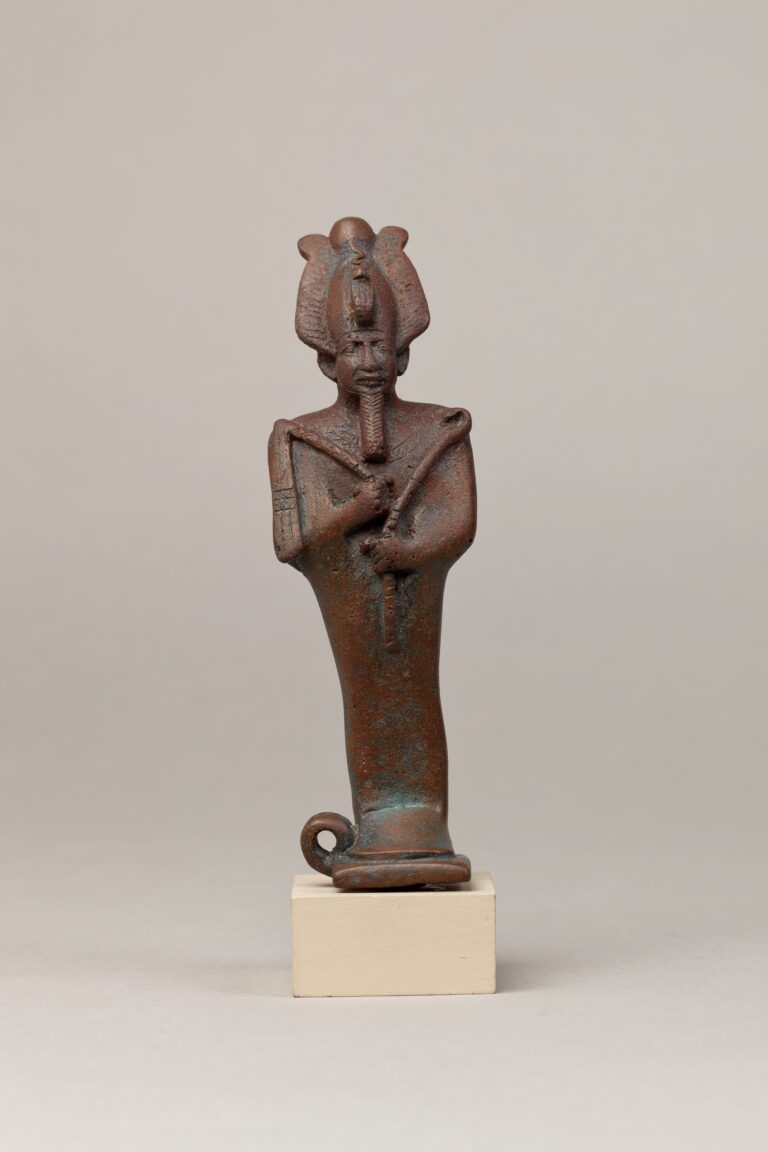
While Osiris judges and kings rule, Thoth observes.
He measures.
He remembers.
He writes.
Like Hermes, he belongs to the threshold.
This strange pattern appears again and again.
Merlin guides Arthur but never wears the crown.
Virgil guides Dante but does not enter Paradise.
John the Baptist prepares the way and then decreases.
Obi-Wan trains Luke and then disappears.
Gandalf resists domination.
Again and again, the guide refuses kingship.
Modern culture often assumes greatness means becoming the center.
The larger the audience, the greater the importance.
The higher the office, the more significant the person.
Myths tell a different story.
The greatest guides often stand near power without trying to possess it.
They point.
They orient.
They accompany.
They help others cross.
Perhaps this reveals something profound about consciousness itself.
For human beings naturally seek mastery.
We want certainty.
We want control.
We want to sit upon the throne.
Yet wisdom repeatedly appears in the form of those who refuse it.
Hermes never becomes Zeus.
Thoth never becomes Pharaoh.
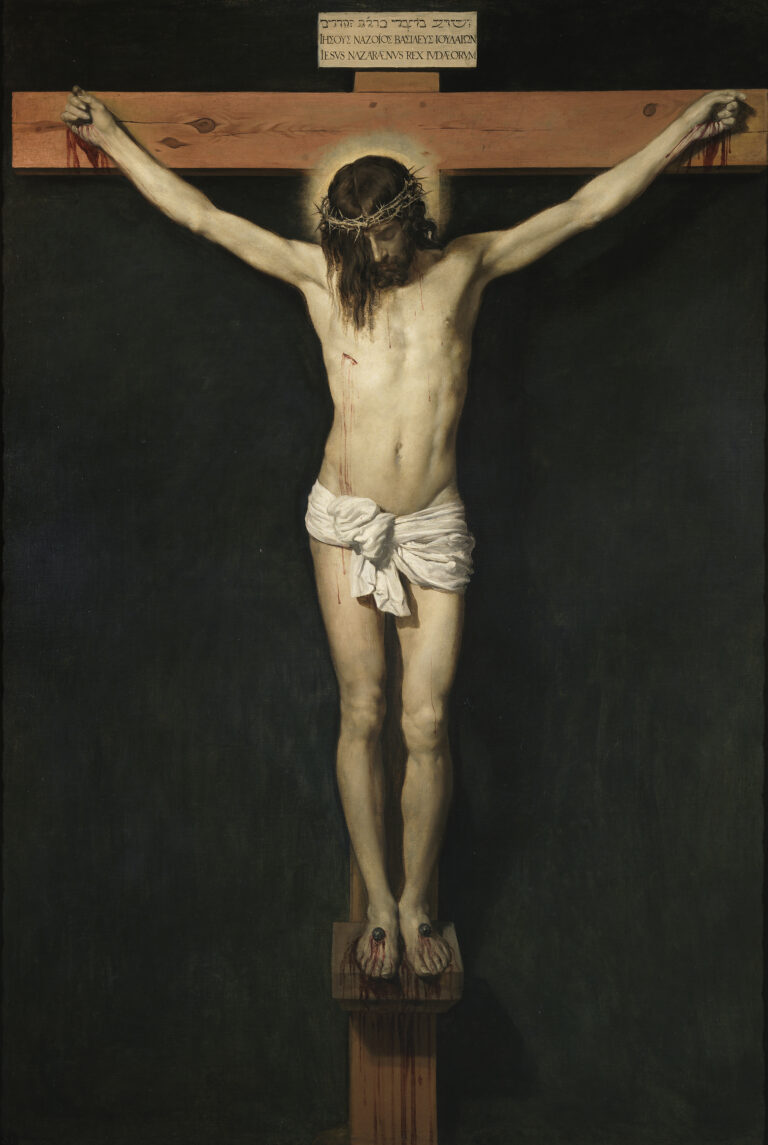
John never becomes ChristReferenceChristJesus Christ as the central figure of Christianity.Read full entry →.
Virgil never becomes Beatrice.
Their significance lies elsewhere.
Not in ruling.
But in witnessing.
Not in possession.
But in passage.
Perhaps this is why threshold figures are so easy to overlook.
They do not announce themselves.
They do not demand worship.
They remain near the edges.
And perhaps this is also why they matter so much.
For every life contains thresholds.
Birth.
Death.
Marriage.
Loss.
Change.
Dream.
Memory.
No king can accompany us through all of them.
Power has limits.
Identity has limits.
Even wisdom has limits.
But faithful presence can remain.
Perhaps that is what Hermes represents.
Not domination.
Not conquest.
Not authority.
But accompaniment.
The willingness to walk beside another without needing to become the destination.
And perhaps the greatest teachers are those who know how to disappear.
Not because they lack importance.
But because they understand something kings often forget.
The purpose of the guide is not to replace the kingdom.
The purpose of the guide is to help others remember the way.
And then quietly step aside.