Many spiritual systems eventually arrive at a strange conclusion.
They correctly identify the suffering produced by identityThis — IdentityThis names the formed identity: the body, role, image, wound, belief, or story claimed as what the self is.Read full entry →.
They correctly observe attachment.
They correctly notice conflict, possession, fear, pride, and division.
Then something curious happens.
The blame shifts.
The problem is no longer identity.
The problem becomes consciousness itself.
Awareness becomes suspect.
ReflectionAm — ReflectionAm names reflected presence: awareness embodied or mirrored without yet becoming ownership.Read full entry → becomes suspect.
The mirror becomes guilty.
Yet what if the mirror is innocent?
What if consciousness is closer to a reflection than a ruler?
What if the thing being blamed is not the thing creating the problem?
A mirror reflects whatever appears before it.
Beauty appears.
The mirror reflects beauty.
Fear appears.
The mirror reflects fear.
Anger appears.
The mirror reflects anger.
Joy appears.
The mirror reflects joy.
The mirror does not choose.
The mirror does not possess.
The mirror does not claimI — ClaimI names claim: the interruption by which reflected presence is taken as mine.Read full entry →.
The mirror simply reflects.
This may be why so many myths begin with reflection before they introduce kings, heroes, possessions, or empires.
Before there is a kingdom, there is a mirror.
Before there is identity, there is reflection.
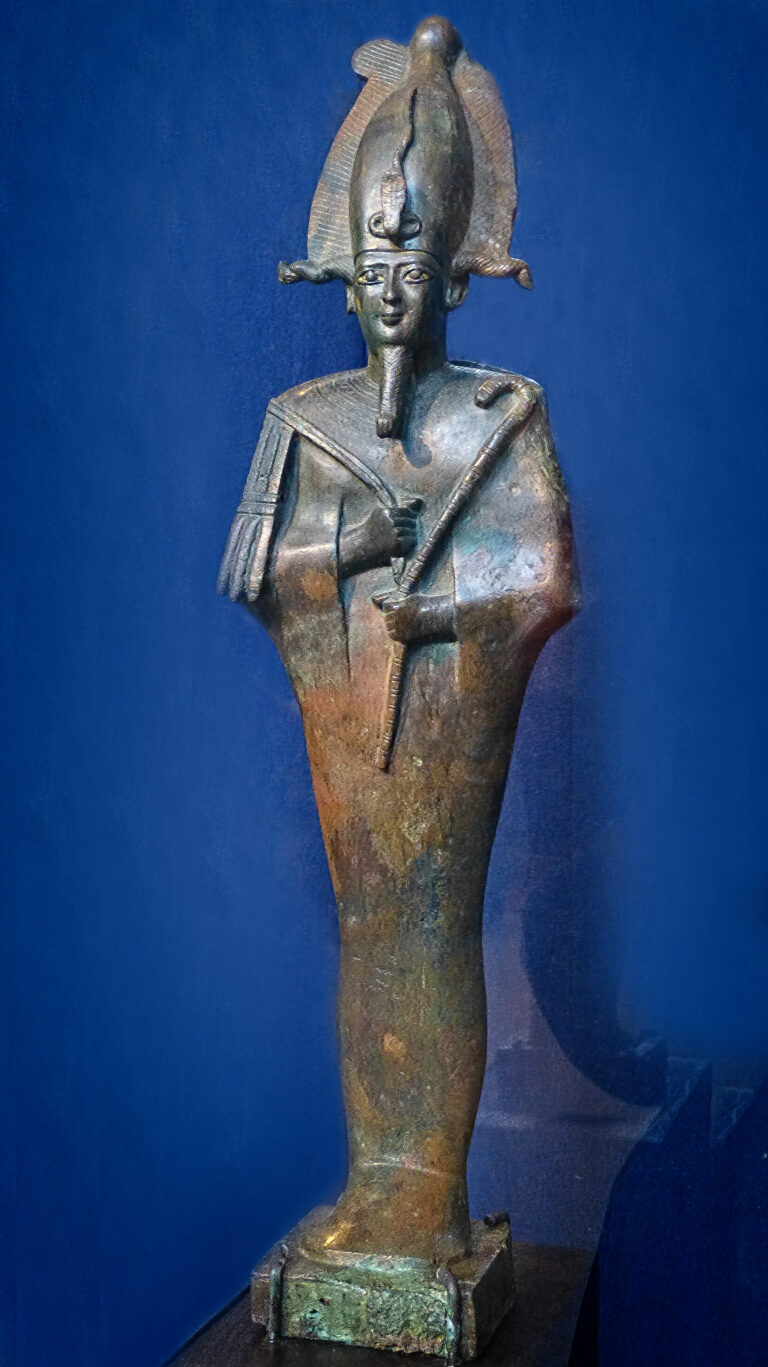
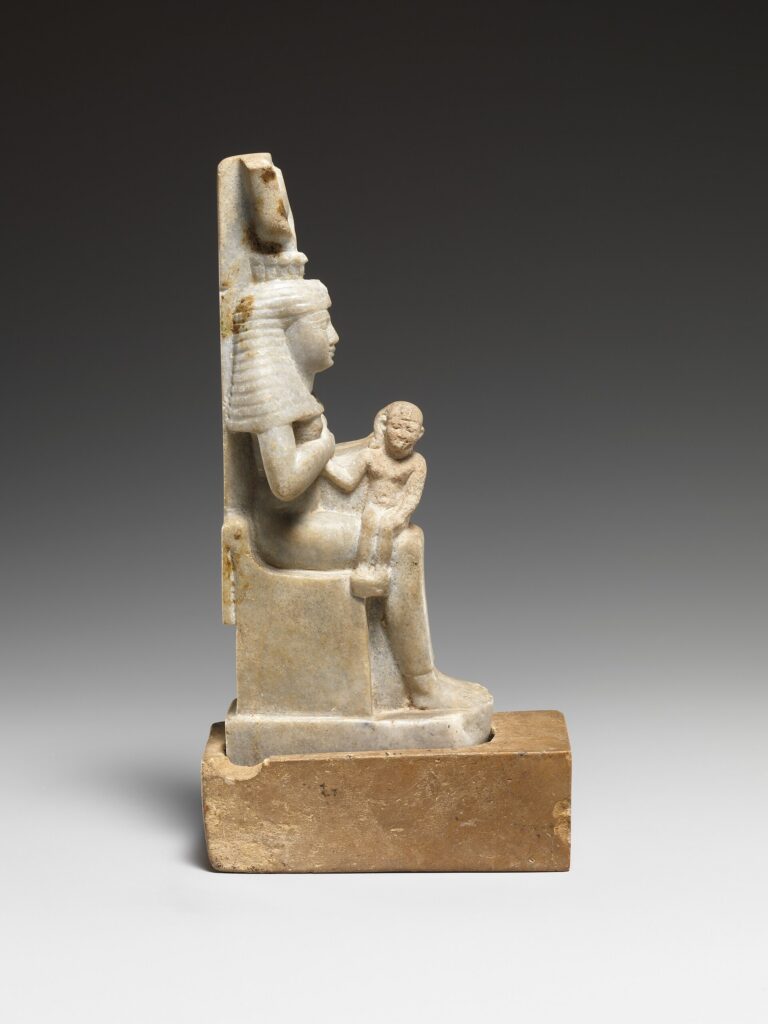
Before there is HorusHorusIn Geomytha, Horus names the identity that forms after claim: This — the body, role, image, wound, belief, or story taken as what the self is.Read full entry →, there is OsirisOsirisIn Geomytha, Osiris names reflected presence: Am — awareness reflected as living consciousness without yet becoming ownership.Read full entry →.
Throughout this series, Osiris has been associated with reflection.
Not because he is weak.
Not because he is passive.
Because he represents the field within which the drama unfolds.
The stage appears before the actors.
The mirror appears before the kingdom.
The water appears before the reflection is claimed.
This distinction matters.
Because most suffering does not originate in reflection.
It originates in identification.
The difference is subtle but profound.
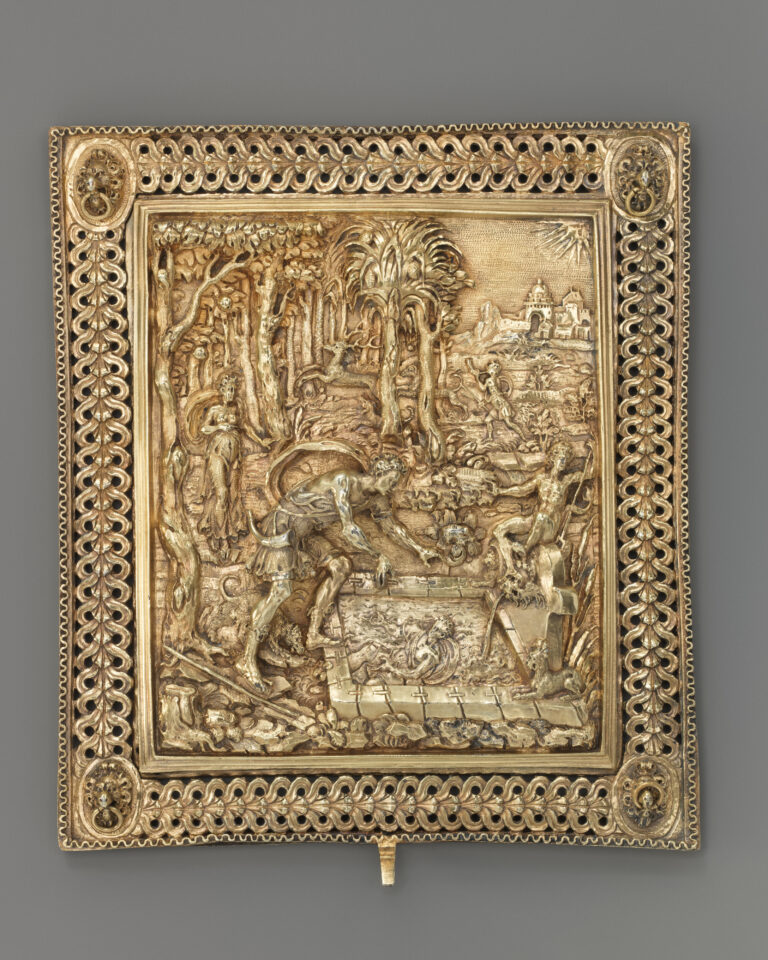
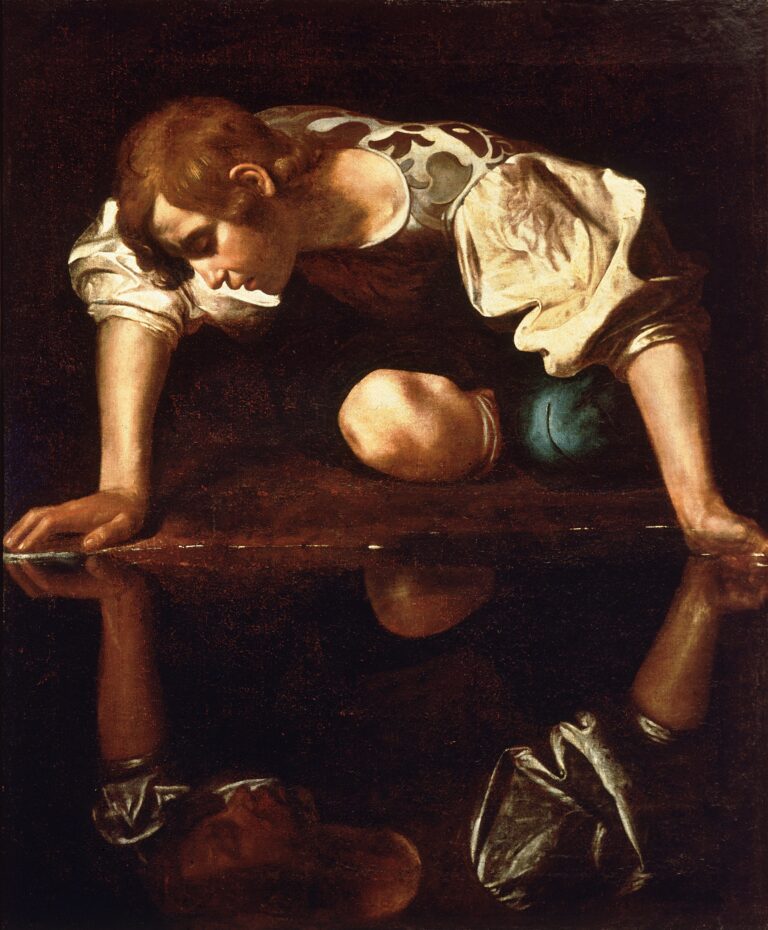
Consider NarcissusNarcissusIn Ovid’s Metamorphoses Book III, Narcissus encounters his image in a pool, initially responds to it as though it were another beloved figure, and remains attached even after recognizing the image as…Read full entry →.
The traditional reading often treats the reflection itself as dangerous.
Yet the reflection never asked to be worshiped.
The water never demanded attention.
The reflection never claimed ownership.
Narcissus supplied the claim.
The tragedy is not reflection.
The tragedy is identification with reflection.
The water did nothing wrong.
The same misunderstanding appears whenever consciousness itself becomes the target.
Awareness is blamed for attachment.
Reflection is blamed for possession.
The mirror is blamed for the king.
Yet a mirror cannot wear a crown.
A mirror cannot build an empire.
A mirror cannot gather possessions.
A mirror cannot create enemies.
ThoseThose — ProjectionThose names projection: enemies, outsiders, competitors, threats, and disowned qualities placed beyond the identity boundary.Read full entry → activities belong to something else.
The claimantSetIn Geomytha, Set names the claimant: I — the interruption by which reflection is taken as mine and converted toward ownership.Read full entry →.
The one who says:
I am thisThe False-Self Sentence — I Am ThisThe false-self sentence forms when claim joins reflection to a fixed object of identity: I am this.Read full entry →.
The one who says:
These are mineThese — AccumulationThese names accumulation: possessions, titles, achievements, beliefs, communities, and other extensions gathered around identity.Read full entry →.
The one who says:
Those are not.
The mirror reflects the process.
The mirror does not generate it.
This is why reflection and identity should not be confused.
Reflection reveals.
Identity claims.
Reflection receives.
Identity possesses.
Reflection allows.
Identity organizes.
Both have their place.
Confusion begins when they are treated as the same thing.
The moon offers another useful image.
Most people describe the moon as reflecting sunlight.
Yet from a Geomytha perspective, the symbolic function is more important than the astronomical mechanism.
The moon represents reflected appearance.
A visible image.
A reflected world.
The moon shines because something else is being revealed through it.
In symbolic terms, the moon behaves like consciousness itself.
Not a sourceIs — SourceIs names unclaimed being: awareness before possession, distinction, or identity.Read full entry → of possession.
A field of reflection.
A visible mirror.
This is why the moon so often accompanies myths of memory, dreaming, identity, transformation, and returnReturn — RemembranceReturn names remembrance and release: the loosening of possession so reflection can become transparent to source again.Read full entry →.
The moon reflects.
It does not claim.
The claiming happens elsewhere.
Many spiritual traditions accidentally blur this distinction.
Mind is blamed.
Awareness is blamed.
Perception is blamed.
The result is a subtle war against the very faculty through which recognition becomes possible.
The mirror becomes the enemy.
Yet without reflection there can be no recognition.
Without awareness there can be no noticing.
Without noticing there can be no return.
The attempt to destroy reflection often becomes another identity project.
Another kingdom.
Another possession.
Another claim.
The war continues under a new banner.
A clearer distinction emerges when Osiris and Horus are viewed together.
Osiris reflects.
Horus rules.
Osiris receives.
Horus claims.
Osiris is the mirror.
Horus is the crown.
The crown cannot exist without the mirror.
Yet the mirror remains something different from the crown.
This distinction changes the entire sequence.
The goal is not to destroy reflection.
The goal is not to destroy awareness.
The goal is not to eliminate consciousness.
The goal is to recognize the process unfolding within reflection.
The mirror remains.
The kingdom may remain.
The crown may remain.
The world may remain.
What changes is the confusion.
The mirror is no longer mistaken for the king.
The king is no longer mistaken for the mirror.
This is why return does not require annihilation.
Nothing essential must disappear.
Recognition is enough.
The mirror reveals.
The claimant claims.
The kingdom forms.
The world appears.
The process unfolds.
And throughout it all, reflection remains what it always was.
An innocent mirror.
Not the source of the kingdom.
Not the author of the claim.
Simply the field in which everything becomes visible.
Perhaps the return begins the moment the mirror stops being blamed for what it merely reflects.