Paid essay — public preview. This page introduces the original essay. The complete argument, examples, and conclusion are available to paid Geomytha subscribers on Substack.
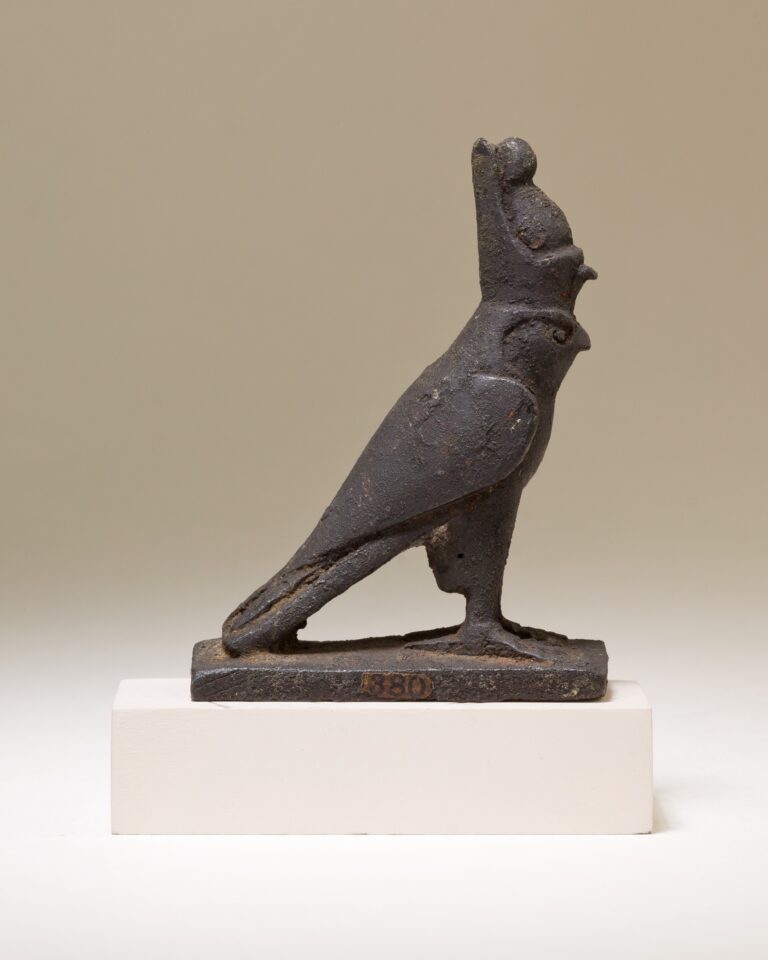
At first glance, the existence of two Horuses appears redundant.
One HorusHorusIn Geomytha, Horus names the identity that forms after claim: This — the body, role, image, wound, belief, or story taken as what the self is.Read full entry → should have been enough.
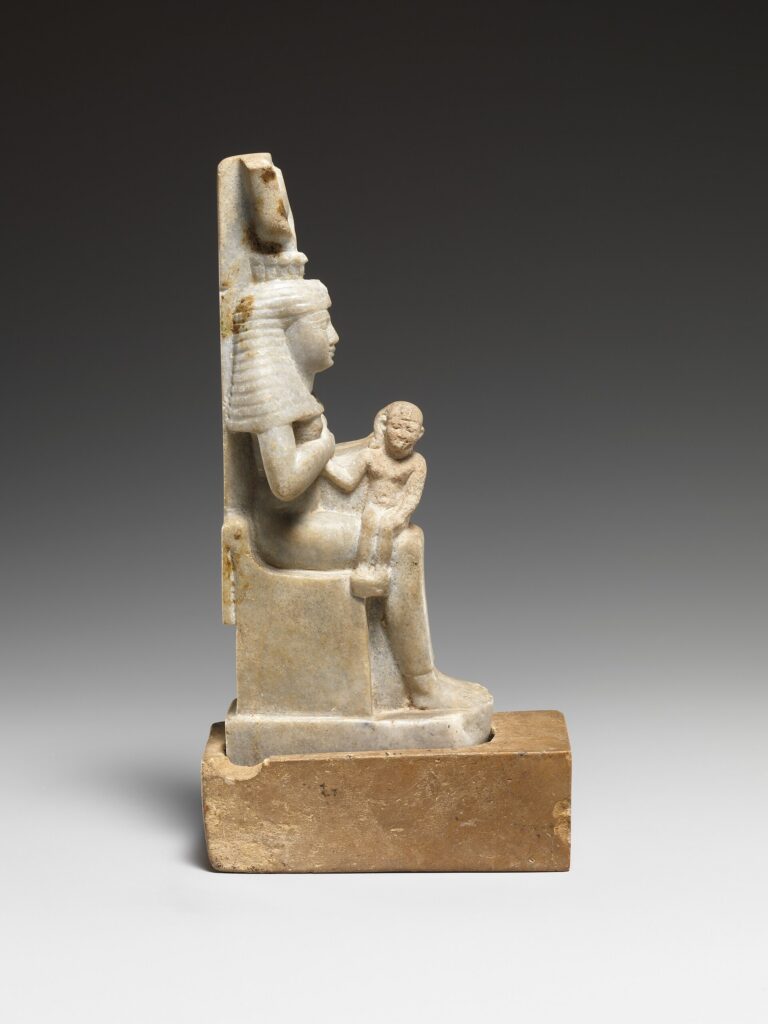
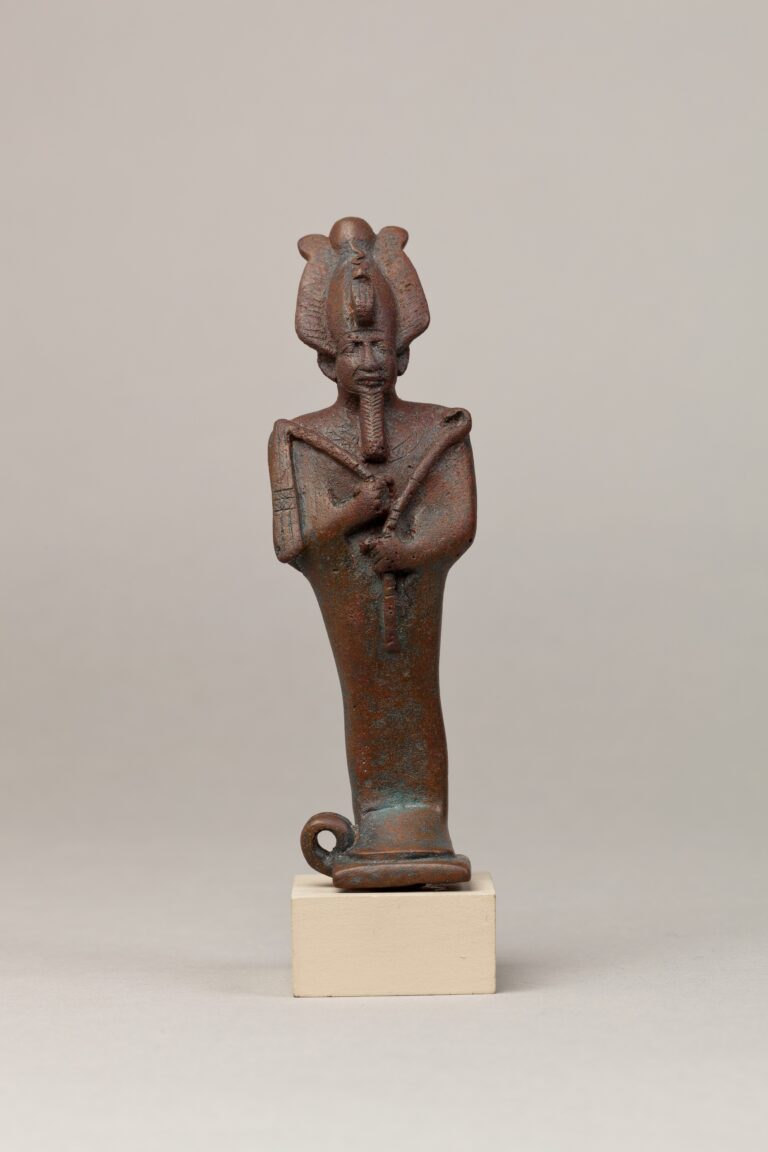
Yet ancient EgyptEgyptAncient Egyptian cultural and mythic field referenced by the essay.Read full entry → preserved both Horus the Elder and the younger Horus, son of IsisIsisIn Geomytha, Isis names the unclaimed field: Is — pure being, awareness before possession, and the ground before the claimant appears.Read full entry → and OsirisOsirisIn Geomytha, Osiris names reflected presence: Am — awareness reflected as living consciousness without yet becoming ownership.Read full entry →.
For historians, the explanation usually involves the merging of older traditions and local cults. Different falcon gods became identified with one another over time, producing what appears to be duplication.
This explanation is reasonable.
But symbols often outlive the circumstances that gave birth to them.
And sometimes the symbol itself preserves a truth deeper than the history.
Perhaps the question is not:
Why are there two Horuses?
Perhaps the question is:
Why did Egypt refuse to eliminate one?
Horus the Elder belongs to the sky.
To the…
Read the complete essay on Substack →
This WordPress page preserves the essay’s place in the Geomytha archive, its original title and subtitle, and its publication date. The full subscriber edition remains protected on Substack.