Why this “two-character” motif is really one mechanism in disguise
Some songs don’t merely tell a story; they diagram a process. The recurring pair—the joker and the thief—is one of thoseThose — ProjectionThose names projection: enemies, outsiders, competitors, threats, and disowned qualities placed beyond the identity boundary.Read full entry → diagrams. It looks like two characters in a scene, but in my lens it’s a single force wearing two masks: the force that overtakes awareness, weaponizes reflectionAm — ReflectionAm names reflected presence: awareness embodied or mirrored without yet becoming ownership.Read full entry →, and produces a time-bound ego identityThis — IdentityThis names the formed identity: the body, role, image, wound, belief, or story claimed as what the self is.Read full entry →.
This is why the motif persists. It is not folklore. It is psychology. It is technology of consciousness.
The core claimI — ClaimI names claim: the interruption by which reflected presence is taken as mine.Read full entry → in my system
In my framework, there are four recurring functions:
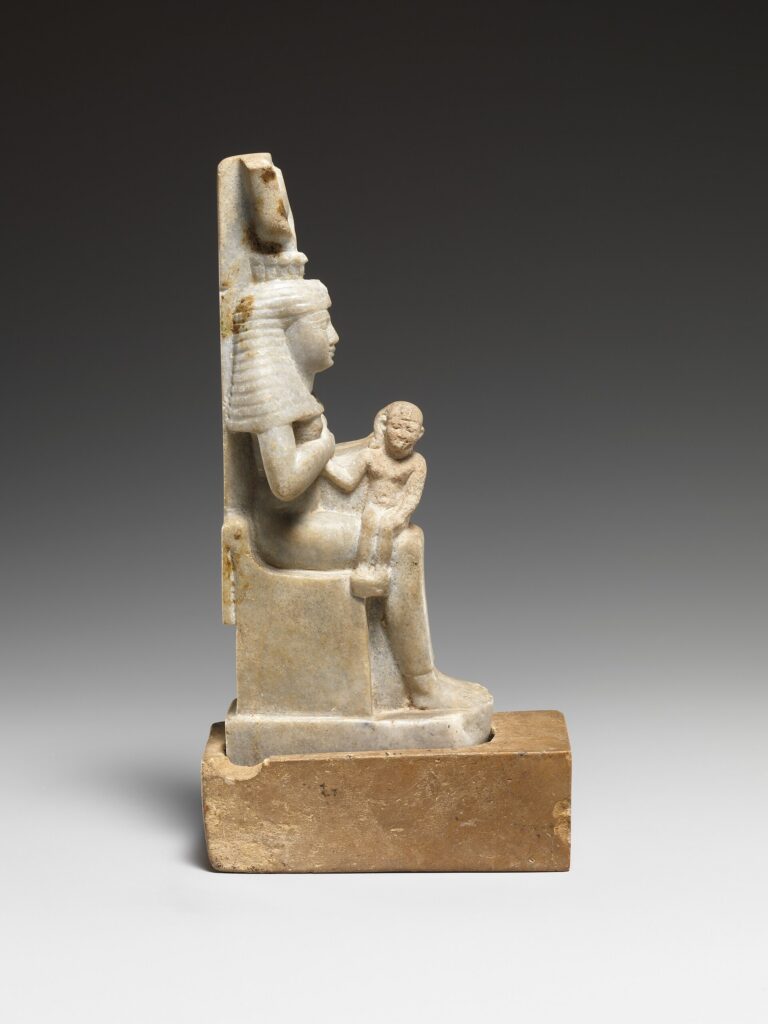
IsisIsisIn Geomytha, Isis names the unclaimed field: Is — pure being, awareness before possession, and the ground before the claimant appears.Read full entry → / Earth: awareness as immediacy, the unmediated ground.
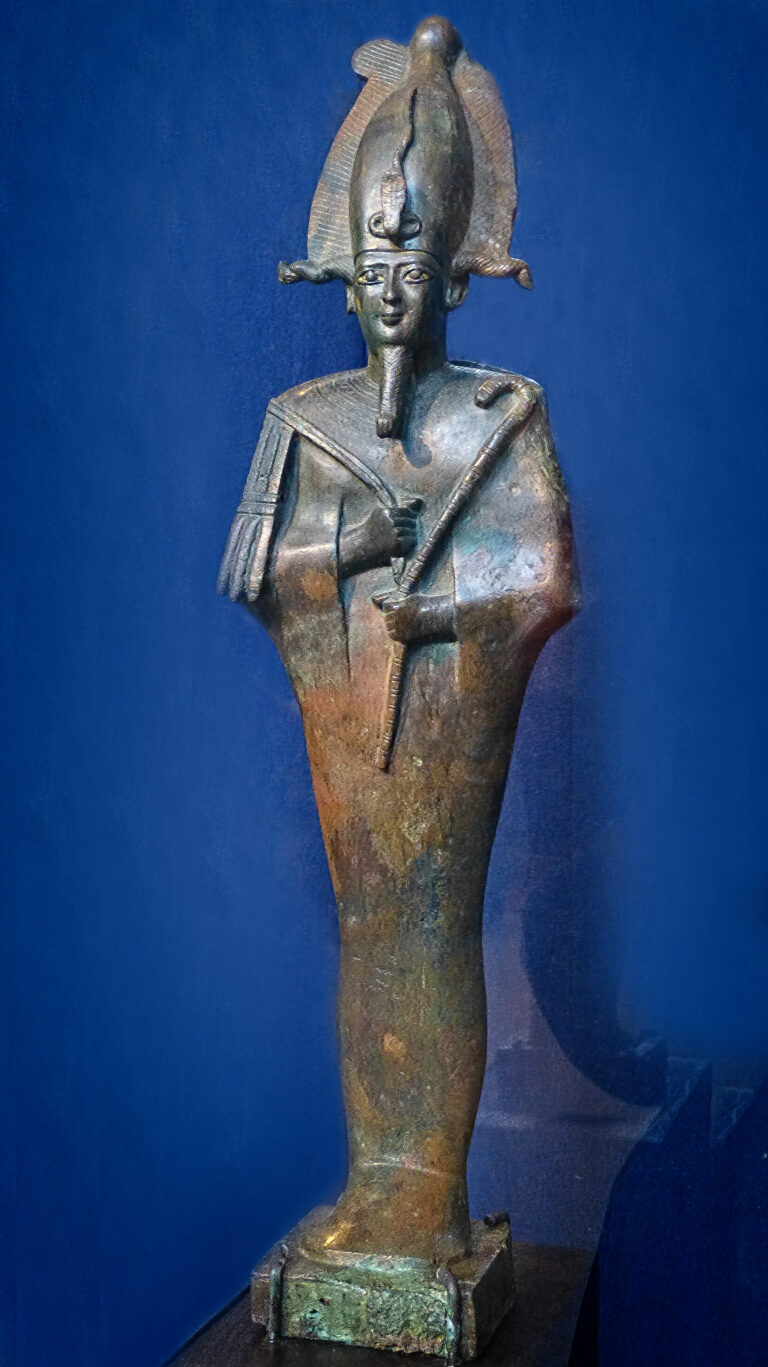
OsirisOsirisIn Geomytha, Osiris names reflected presence: Am — awareness reflected as living consciousness without yet becoming ownership.Read full entry → / Moon: reflection that can clarify awareness (true mirroring).
SetSetIn Geomytha, Set names the claimant: I — the interruption by which reflection is taken as mine and converted toward ownership.Read full entry → / Sun: imagination that overtakes reflection and becomes a projector.
HorusHorusIn Geomytha, Horus names the identity that forms after claim: This — the body, role, image, wound, belief, or story taken as what the self is.Read full entry → / Illusion of Man: the time-bound identity produced by the takeover.
Within that map:
The Joker is Set as trickster: the reframing function. It converts reality into commentary—irony, analysis, cynicism, looping narratives. It makes direct being feel like a problem to solve.
The Thief is Set as usurper: the appropriation function. It takes what belongs to presence—attention, value, authority, life-force—and reallocates it to an identity economy: “my story,” “my grievance,” “my future,” “my plan,” “my image.”
So the “joker + thief” pairing is best read as Set split into two roles:
the mental spell (joker)
the extraction of ownership (thief)
And when those succeed, Horus appears: the felt sense of “me”—a time-based self that believes it is the seer, when it is actually the product of the spell.
Why the Joker is not Osiris
It’s tempting to say, “the joker is wisdom,” because jesters sometimes reveal truth. But in this lens, the joker is not truth-teller; the joker is the destabilizer—the one who turns the sacred into a punchline, or turns the immediate into a riddle.
Osiris is not “clever.” Osiris is clear.
Osiris is the function of reflection that returns you to what is, rather than launching you into what could be said about what is.
That distinction matters:
Osiris reflection: mirrors presence and purifies it.
Set imagination: uses reflection as a stage, then replaces presence with theater.
The joker is theater.
The Thief’s real target: authority
In songs, theft is often literal—money, jewels, a score. In the archetypal layer, the thief is after something more valuable:
the authority to define reality.
The thief steals by moving the center:
from awareness → to narrative
from being → to identity
from the present → to time
from direct knowing → to interpretation
Once the center is moved, everything else becomes available for extraction: attention, emotion, behavior, even devotion. The theft is not merely taking things—it is taking the right to decide what matters.
That is why the thief and joker travel together: the joker creates the fog; the thief collects what the fog makes easy to take.
The Watchtower: where Osiris actually lives
In Dylan’s “All Along the Watchtower,” the famous line places the two together in direct dialogue: the joker speaking to the thief. But the symbol that matters most is not either character.
It is the watchtower.
In my system, the watchtower is the Osiris function: the stable vantage of witnessing—seeing the whole exchange without becoming it.
That’s the hidden key: the “way out” is not an argument that defeats confusion; it is a shift of seat. You do not escape Set by outsmarting Set. You escape Set by returning authority to the watchtower—by restoring awareness as the ground and reflection as a servant, not a master.
Horus: the end product of the duo
When the joker and thief succeed, the result is not merely “loss.” The result is a new identity structure:
A self that relates to reality through story.
A self that lives in time more than in presence.
A self that must manage image, outcome, security, and meaning.
A self that believes it is living, while actually maintaining a construct.
That is Horus in this lens: the time-bound ego identity—useful for navigating the world, but disastrous when mistaken for the sourceIs — SourceIs names unclaimed being: awareness before possession, distinction, or identity.Read full entry →.
So the motif “joker and thief” is not two villains in a plot. It is the two-step manufacturing of Horus:
Joker: destabilize presence into interpretation.
Thief: relocate authority from awareness to identity.
Horus: the identity takes the throne and calls itself “me.”
Practical takeaway: how to recognize the motif in your own mind
You can spot the joker and the thief in real time:
The Joker signs
You can’t stay with what is; you must comment on it.
You turn sensation into story immediately.
You feel “confusion” that is really mental overactivity.
You seek an exit through explanation.
The Thief signs
Your attention is compelled, captured, harvested.
Your emotional energy becomes “fuel” for a narrative.
You feel you must secure an outcome.
Your sense of authority moves from presence to the persona.
The correction
ReturnReturn — RemembranceReturn names remembrance and release: the loosening of possession so reflection can become transparent to source again.Read full entry → to the watchtower.
Not as a concept, but as a posture: awareness prior to interpretation. Reflection without projection. Seeing without bargaining.
That is the Osiris move: reflection that perfects consciousness rather than replacing it.
Closing: why this motif matters
The joker and the thief endure because they name an internal procedure.
They are Set’s two masks:
the spell and the harvest
the joke and the theft
the fog and the claim of ownership
And the watchtower endures because it points to the only real escape: not better stories, not sharper arguments, not more information—but restored authority of awareness, here, now.
That’s the whole technology encoded in the motif.
If you want, I can write a follow-up piece that applies this exact mapping line-by-line to All Along the Watchtower and then to Joker and the Thief, showing where the “watchtower” appears in each as an Osiris-rescue symbol.