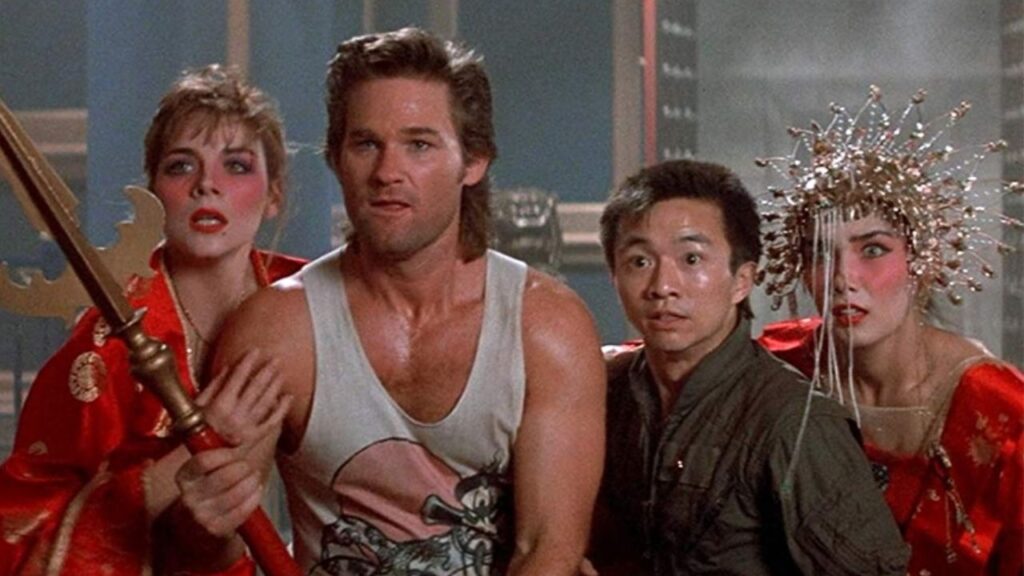
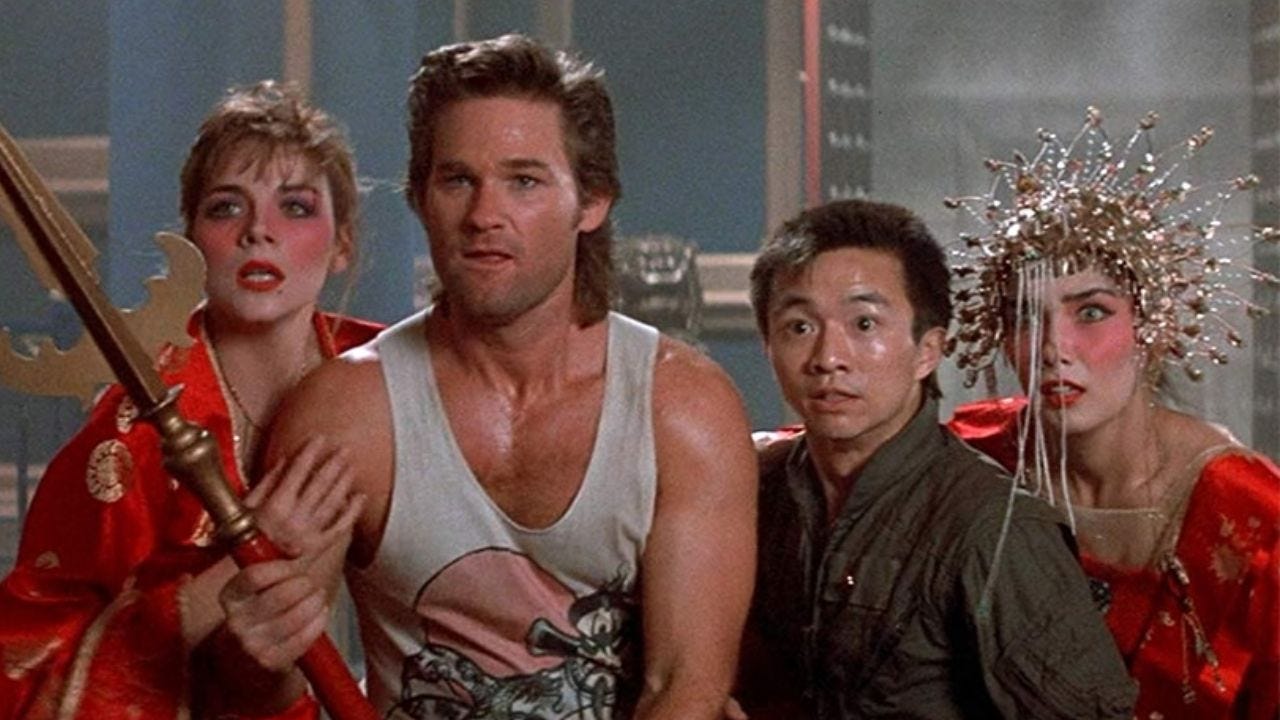
John Carpenter’s Big Trouble in Little China may be one of the clearest modern myth films for understanding the difference between true alignment and theatrical identityThis — IdentityThis names the formed identity: the body, role, image, wound, belief, or story claimed as what the self is.Read full entry →.
On the surface, the film looks like a supernatural action comedy. But beneath that surface it encodes a much older pattern: the split between grounded reality and the self-image that mistakes itself for the center of reality.
Through the Geomytha lens, the pattern is clear.
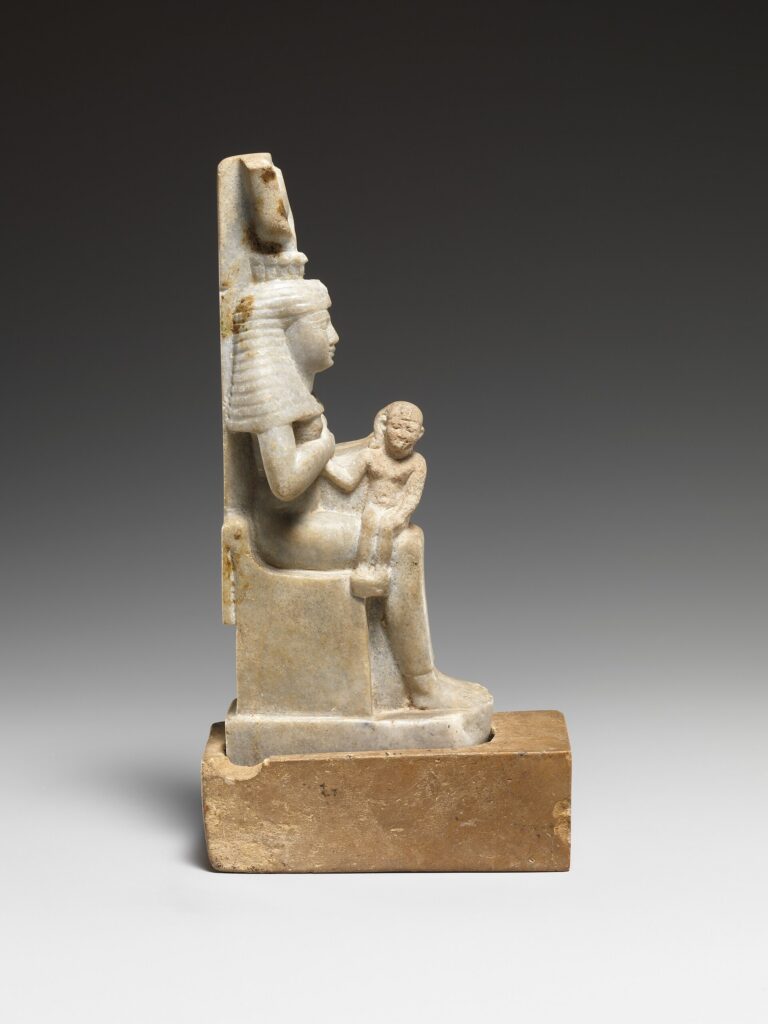
IsisIsisIn Geomytha, Isis names the unclaimed field: Is — pure being, awareness before possession, and the ground before the claimant appears.Read full entry → is the unseen ground, the reality prior to fragmentationDismemberment / FragmentationDismemberment names the symbolic breaking of a previously integrated reflection into separate parts, roles, objects, or powers.Read full entry →, the silent field beneath appearance. In this film, Isis is not merely a character. She is the hidden depth underneath the noise, sorcery, panic, and spectacle. The movie constantly hints that there is a deeper order beneath visible life, but most people only encounter it through distortion.
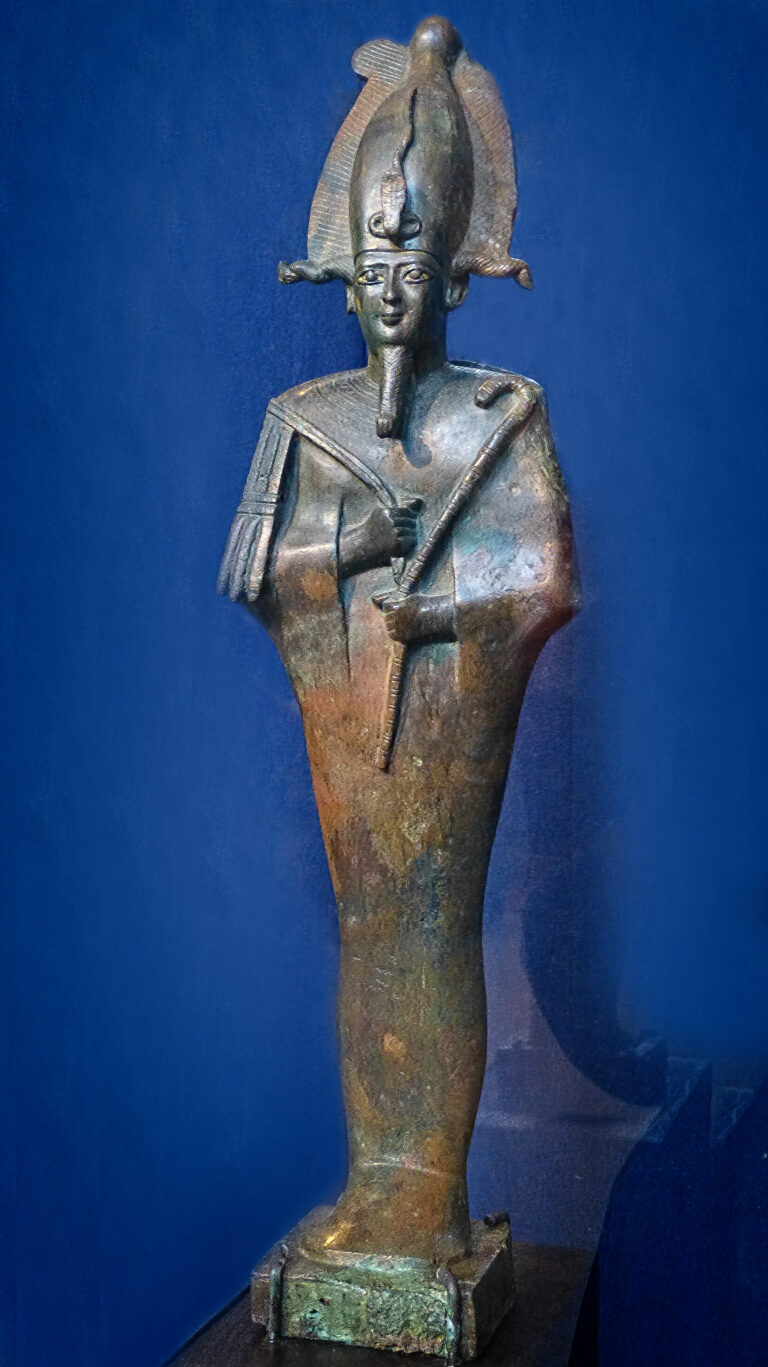
OsirisOsirisIn Geomytha, Osiris names reflected presence: Am — awareness reflected as living consciousness without yet becoming ownership.Read full entry → is reflective consciousness still close to that ground. Wang fits this role far better than Jack Burton. Wang is competent, relational, and actually connected to what is happening. He is not posturing. He is moving with purpose. He understands that the world is deeper than appearances and enters that depth with seriousness.
SetSetIn Geomytha, Set names the claimant: I — the interruption by which reflection is taken as mine and converted toward ownership.Read full entry → appears most clearly as Lo Pan. He is disembodied will, manipulative imagination, ancient fragmentation trying to regain form through theft, ritual, and possession. He cannot simply be. He must seize, enchant, intimidate, and stage-manage. This is classic Set energy: projectionThose — ProjectionThose names projection: enemies, outsiders, competitors, threats, and disowned qualities placed beyond the identity boundary.Read full entry → attempting to make itself sovereign by hijacking what it did not create.
HorusHorusIn Geomytha, Horus names the identity that forms after claim: This — the body, role, image, wound, belief, or story taken as what the self is.Read full entry → is where the film becomes brilliant. Jack Burton is almost pure ego-comedy. He believes he is the hero. He narrates himself like the center. He projects confidence, mastery, and importance. But the joke of the entire film is that he is mostly a persona floating on bravado. He is a self-image, not a center.
That is what makes the film so sharp.
Jack is the story we tell ourselves about ourselves.
Wang is the deeper intelligence actually moving the story.
In other words, Big Trouble in Little China quietly humiliates the ego. The loudest man in the room is not the true axis. The one claiming authorship is not the one most aligned with reality.
This is one of the film’s deepest mythic insights: the false self often mistakes narration for power.
Lo Pan’s entire scheme reinforces this pattern. He is not whole, so he seeks wholeness through capture. He does not return to sourceReturn — RemembranceReturn names remembrance and release: the loosening of possession so reflection can become transparent to source again.Read full entry →. He tries to steal vitality from it. This is exactly how fragmentation behaves. It cannot generate life on its own, so it parasitizes reflectionAm — ReflectionAm names reflected presence: awareness embodied or mirrored without yet becoming ownership.Read full entry → and tries to use it to stabilize illusion.
The kidnapped women are part of that symbolic mechanism. Their role in the ritual points to reflective purity being targeted by a fragmented force that needs to appropriate living continuity for itself. Set always needs a host. It cannot sustain itself without borrowing reality.
The Three Storms deepen this reading. Thunder, Rain, and Lightning function like amplified projections of psychic force. They are atmospheric spectacle, not grounded presence. They externalize the upper-world drama of intimidation, display, and enchantment. They are weather turned into egoic theater.
Even Chinatown itself functions symbolically. “Little China” is a hidden world within the world, a pocket reality under the ordinary surface. It behaves like the concealed interior of the psyche, where rituals, monsters, fear, contracts, and distortions govern visible life from below. The film suggests that what appears marginal is actually where the hidden machinery of illusion is operating.
And this is why the title works so well.
Big Trouble in Little China is not just a fun title. It implies that massive metaphysical disorder is playing out inside a compressed symbolic theater. The “big trouble” is not merely Lo Pan’s plot. It is the problem of consciousness mistaking projection for reality and persona for center.
That is why Jack Burton matters so much.
He is not simply comic relief. He is the image of man as narrated identity. He is the constructed self that assumes it is the protagonist because it hears its own voice. He is Horus not as divine child, but as time-bound selfhood, the illusion of centrality, the one who thinks talking like the hero makes him the hero.
But the film refuses that lie.
Again and again, the movie shows that real movement belongs elsewhere. The deeper competence belongs to Wang. The actual conflict belongs to a hidden realm Jack barely understands. The self-image is along for the ride, dressing confusion up as authorship.
That may be why the film endures. Beneath all its absurdity, it tells the truth about ego with unusual precision. The person is noisy. Presence is not. The persona boasts. The real axis does not need to. The false hero speaks first. Truth acts without announcing itself.
From the Geomytha lens, Big Trouble in Little China is a comedy about what happens when Horus thinks he is the sourceIs — SourceIs names unclaimed being: awareness before possession, distinction, or identity.Read full entry →, Set tries to steal reality for himself, and the deeper Osirian current keeps moving beneath all the noise.
It is not just a cult classic.
It is a myth of projection, usurpation, and false heroism.
And like all good myths, it hides its deepest truth in plain sight: the one who sounds like the hero is often the very thing obscuring what is real.