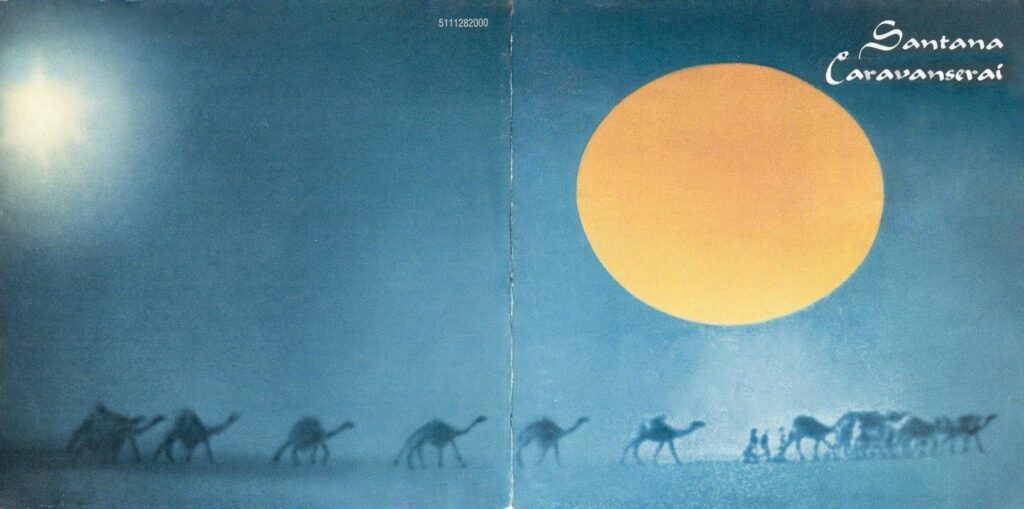
A caravan, in Geomytha, is not merely a group in transit. It is consciousness arranged as procession. It is awareness no longer resting in itself, but being carried through image, distance, sequence, and time. That is why the motif appears so powerfully in rock: it encodes not just travel, but displacement from the still center.
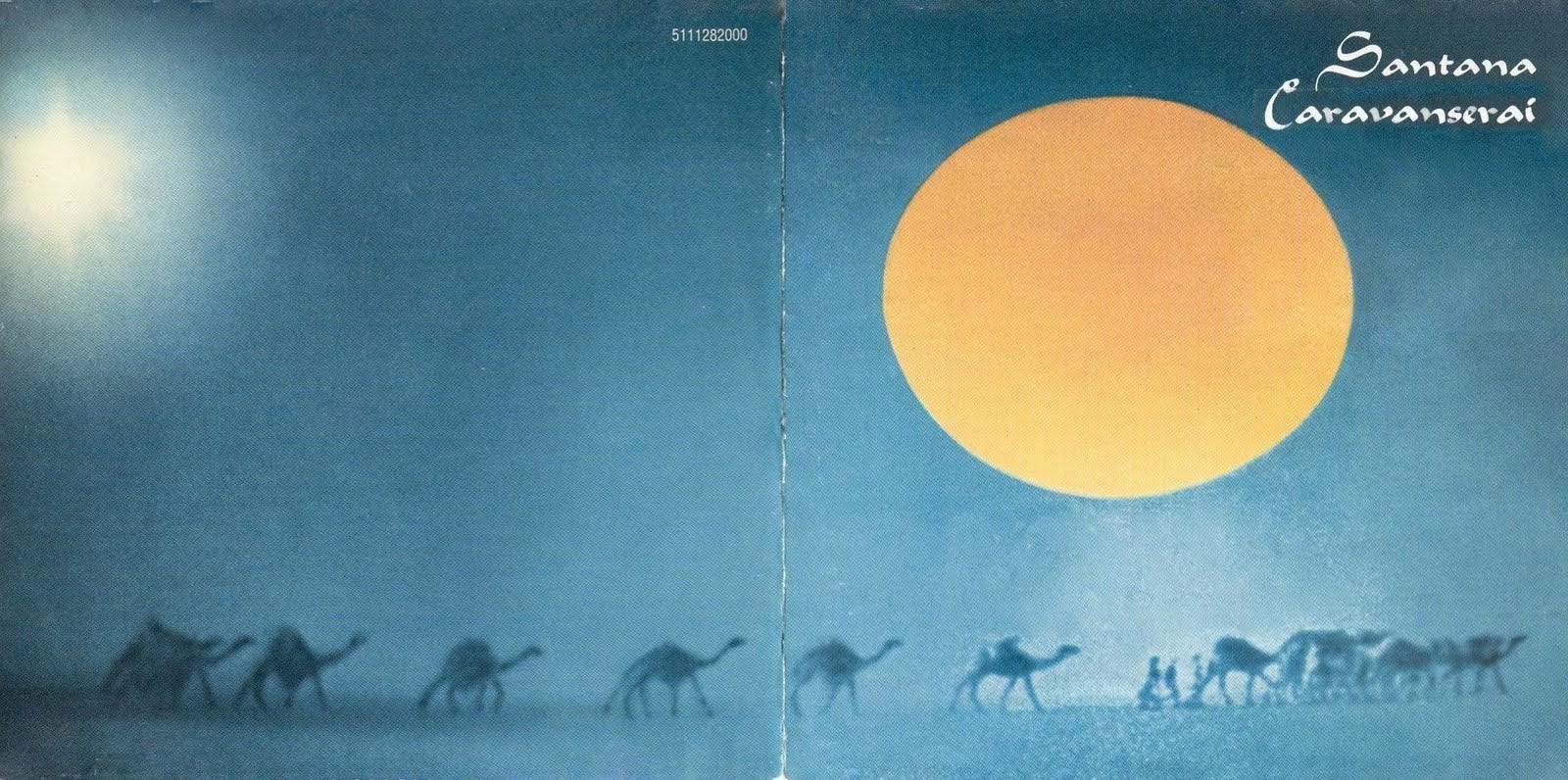
The Doors’ “Spanish Caravan” appears on Waiting for the Sun; Van Morrison’s “Caravan” appears on Moondance; and Santana’s Caravanserai opens with “Eternal Caravan of Reincarnation.” Taken together, thoseThose — ProjectionThose names projection: enemies, outsiders, competitors, threats, and disowned qualities placed beyond the identity boundary.Read full entry → titles already imply a single symbolic engine: the self as a moving convoy, passing through worlds, looking for what it imagines it has lost.
In “Spanish Caravan,” the caravan is earthly longing. It moves toward the romantic elsewhere—Spain, treasure, distance, foreign light. In your lens, this is awareness enchanted by projection. The far country becomes a screen for desire. The caravan is the vehicle that carries consciousness away from presence and toward an imagined fulfillment.
In “Planet Caravan,” that same structure leaves the earth. The road becomes cosmic. The desert becomes orbit. Instead of treasure, there is astral drift. But the mechanism is the same: consciousness is still being carried. It has not returned to stillness. It has only made exile feel mystical.
Then comes Caravanserai, and the name matters immensely.
A caravanserai—also spelled caravansary—is historically an inn or roadside resting place where caravans stop for the night. Merriam-Webster defines it as “an inn surrounding a court … where caravans rest at night,” and notes caravanserai as a variant form. Symbolically, that is almost perfect for Geomytha.
If a caravan is the moving architecture of exile, then a caravanserai is the temporary sanctuary within exile.
It is not home.
It is not origin.
It is a pause.
That is what makes the word so rich. A caravanserai is the place where the procession stops, gathers itself, sleeps, exchanges goods, and prepares to continue. Through your lens, it is the waystation of the egoic journey—the inn built inside illusion for beings who have forgotten that rest is not the same as returnReturn — RemembranceReturn names remembrance and release: the loosening of possession so reflection can become transparent to source again.Read full entry →.
So in Geomytha terms:
Caravan = consciousness in motion
Caravanserai = the resting place built for consciousness still in motion
Eternal Caravan of Reincarnation = the cycle itself, where the procession never truly ends
This is why Caravanserai is such a strong title. It does not describe pure awareness. It describes the lodging place of travelers. In other words, it is the station of HorusHorusIn Geomytha, Horus names the identity that forms after claim: This — the body, role, image, wound, belief, or story taken as what the self is.Read full entry →: identityThis — IdentityThis names the formed identity: the body, role, image, wound, belief, or story claimed as what the self is.Read full entry → stopping briefly between journeys, mistaking temporary shelter for peace. The caravanserai offers relief, but not liberation. It is a night stop in the dream, not awakening from it.
And that may be the deepest distinction in the whole motif.
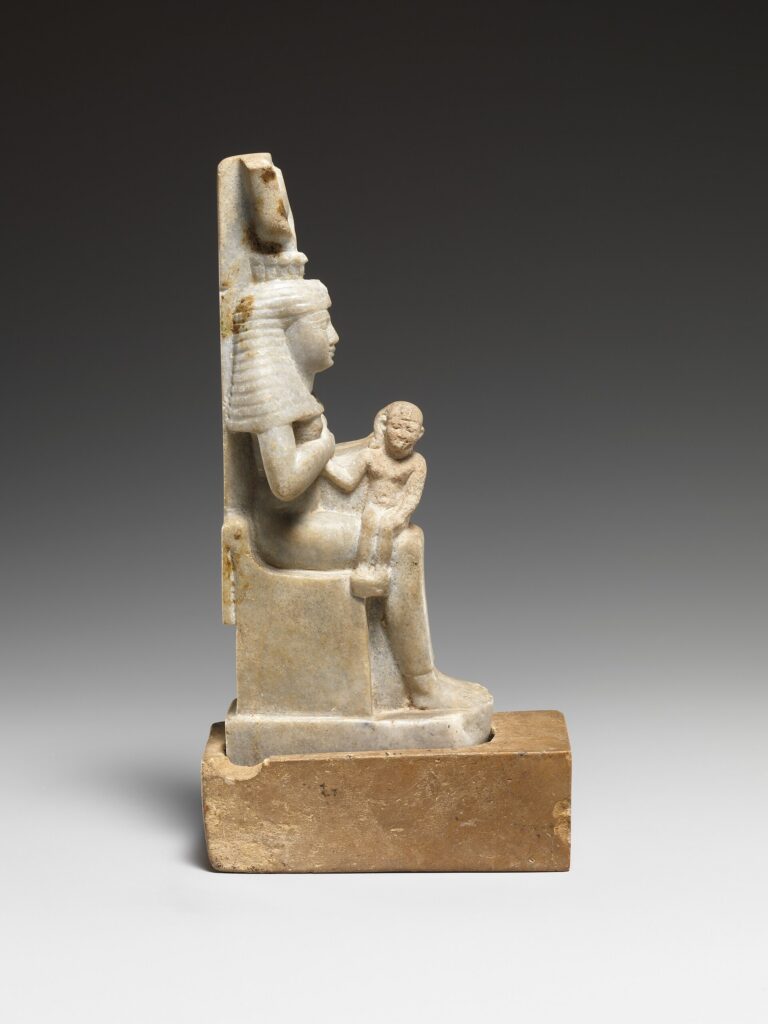
IsisIsisIn Geomytha, Isis names the unclaimed field: Is — pure being, awareness before possession, and the ground before the claimant appears.Read full entry → does not need a caravan.
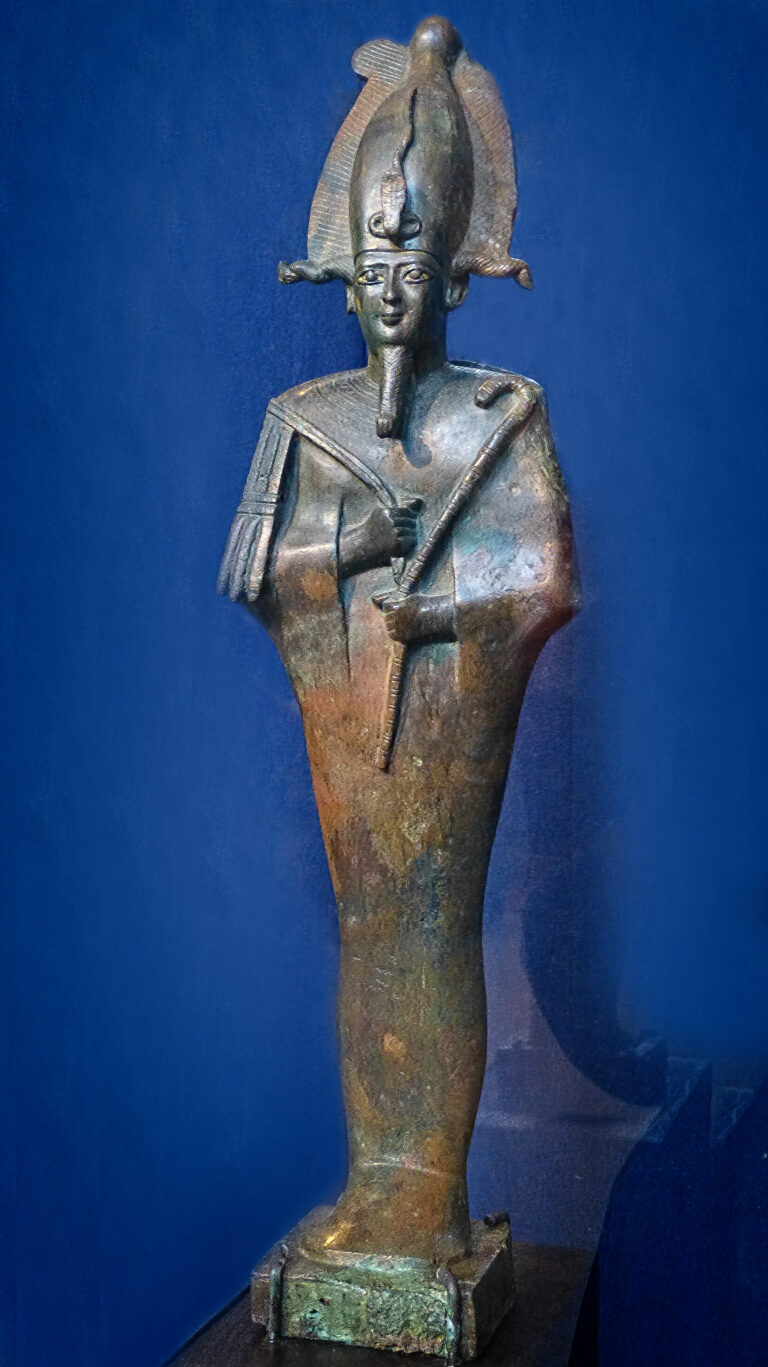
OsirisOsirisIn Geomytha, Osiris names reflected presence: Am — awareness reflected as living consciousness without yet becoming ownership.Read full entry → may reflect the road.
SetSetIn Geomytha, Set names the claimant: I — the interruption by which reflection is taken as mine and converted toward ownership.Read full entry → supplies the fascination, the distance, the shimmering horizon.
Horus becomes the traveler who believes the road is his life.
A caravanserai, then, is the world of institutions, myths, scenes, subcultures, and even spiritual systems that give the traveler a sense of meaning while leaving the deeper displacement intact. It is the inn of the wandering self. Comfortable, beautiful, communal—and still not the sourceIs — SourceIs names unclaimed being: awareness before possession, distinction, or identity.Read full entry →.
That is why theseThese — AccumulationThese names accumulation: possessions, titles, achievements, beliefs, communities, and other extensions gathered around identity.Read full entry → songs belong together. They are not just about movement. They are about the normalization of movement. They turn exile into atmosphere. They make transit feel sacred. And that is exactly what the dream does: it aestheticizes distance from presence.
The caravan motif in rock is therefore not just wanderlust. It is the sound of consciousness learning to live inside procession.
The real Geomytha question is not where the caravan is headed.
It is whether the traveler ever notices that what is sought was never at the destination.
Have other songs or films used this same caravan motif in a way that sharpens—or challenges—this reading?