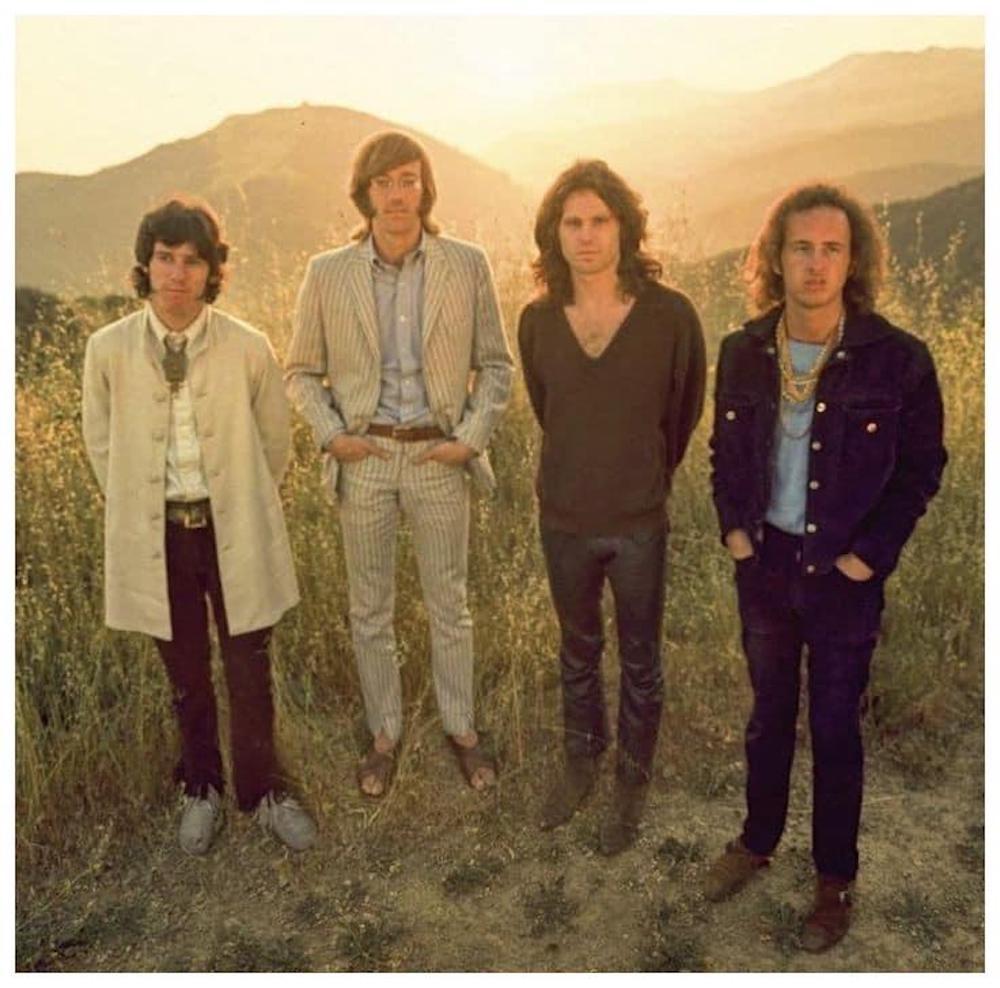
The Doors returnReturn — RemembranceReturn names remembrance and release: the loosening of possession so reflection can become transparent to source again.Read full entry → again and again to a single symbolic event: consciousness begins in immediacy, is overtaken by projectionThose — ProjectionThose names projection: enemies, outsiders, competitors, threats, and disowned qualities placed beyond the identity boundary.Read full entry →, and then hardens into a time-bound identityThis — IdentityThis names the formed identity: the body, role, image, wound, belief, or story claimed as what the self is.Read full entry → that mistakes its own fracture for reality.
The Doors is a perfect name for a band obsessed with thresholds, because in Geomytha the door is the point where awareness passes through reflectionAm — ReflectionAm names reflected presence: awareness embodied or mirrored without yet becoming ownership.Read full entry →, becomes seized by projected imagination, and emerges as the time-bound self.
Read through the Geomytha lens, “Whiskey, Mystics and Men,” “Waiting for the Sun,” and “The Crystal Ship” can be heard as three movements of that same process.
Together they form a single sequence:
moon-governed presence → solar projection → the pain of falling into time
In this reading, the moon is presence: quiet awareness, receptive being, unbroken consciousness. The sun or daylight is projected imagination: the bright force that externalizes perception, converts life into knowledge, and pulls awareness away from simple being. Once projection takes over, the result is the egoic self—the time-bound identity, the historical persona, the one who now lives in hours, memory, anticipation, and separation.
TheseThese — AccumulationThese names accumulation: possessions, titles, achievements, beliefs, communities, and other extensions gathered around identity.Read full entry → three songs do not merely share imagery. They share structure. One gives the primordial state. One gives the threshold of invasion. One gives the intimate aftermath.
1. “Whiskey, Mystics and Men”: the world before the fever
The key lines are the ones that open the entire pattern:
“First there were women and children obeying the moon / Then daylight brought wisdom and fever and sickness too soon.”
Through the Geomytha lens, this is not decorative poetry. It is a condensed myth of consciousness.
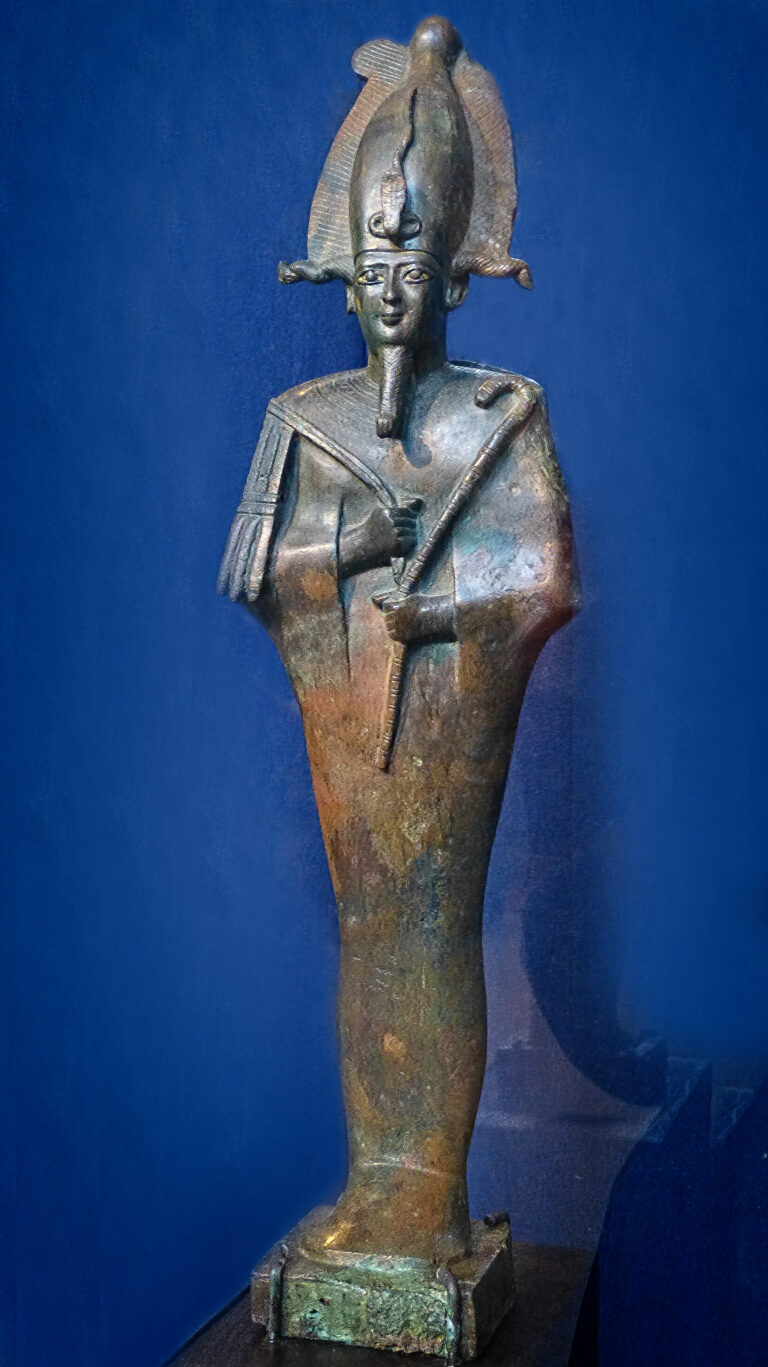
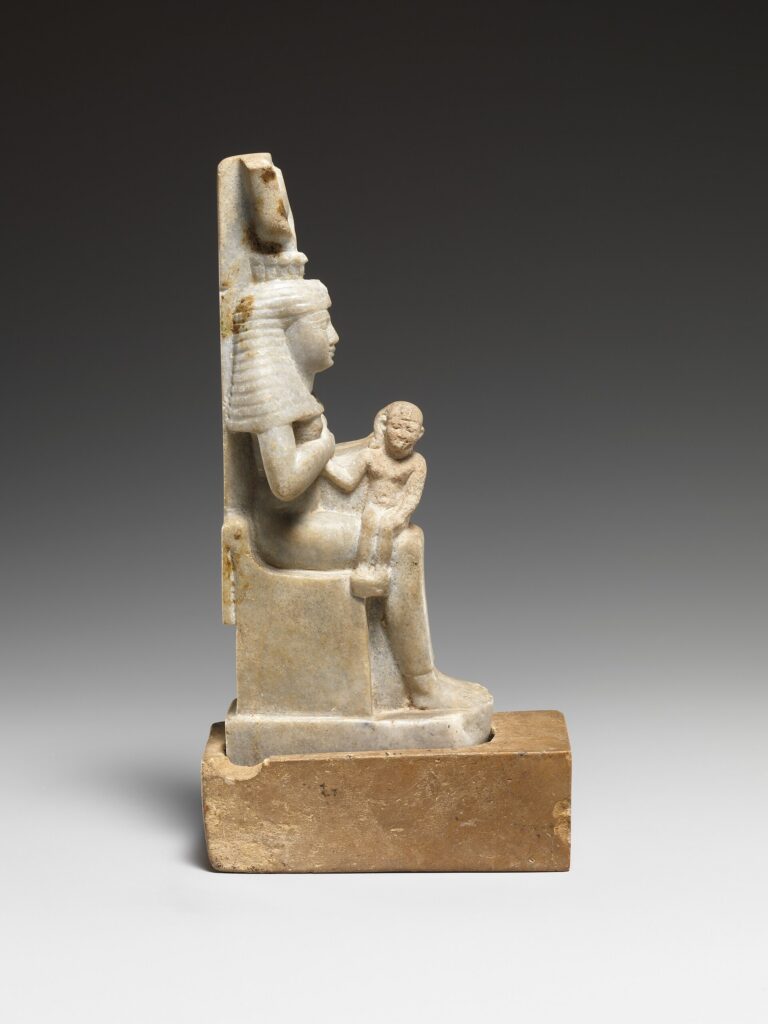
If the moon symbolizes presence, then “obeying the moon” means consciousness living by attunement rather than control. It suggests awareness before conceptual domination, before the need to define, master, strive, and become. The moon does not blaze with its own harsh light. It reflects. That makes it a fitting symbol for awareness and its perfect reflection. In Geomytha terms, this is the field of IsisIsisIn Geomytha, Isis names the unclaimed field: Is — pure being, awareness before possession, and the ground before the claimant appears.Read full entry → as awareness and OsirisOsirisIn Geomytha, Osiris names reflected presence: Am — awareness reflected as living consciousness without yet becoming ownership.Read full entry → as reflective consciousness before the seizure of the field by SetSetIn Geomytha, Set names the claimant: I — the interruption by which reflection is taken as mine and converted toward ownership.Read full entry →.
Awareness is still whole.
Reflection is still faithful.
Being has not yet been replaced by narration.
Then comes daylight.
In ordinary symbolic readings, daylight is truth, revelationRevelation — Book of RevelationThe final book of the Christian New Testament, also called the Apocalypse of John.Read full entry →, clarity. But here the meaning inverts. Daylight becomes the glare of projected imagination. It is the false brilliance of the tree of knowledgeTree of KnowledgeGenesis 2–3 identifies a tree of the knowledge of good and bad/evil in the garden and prohibits the human pair from eating from it. After they eat, the narrative says their eyes…Read full entry →. It is not sacred illumination. It is overexposure. It is consciousness converted into categories, judgments, interpretations, and ambitions. It is the moment life is no longer simply lived, but mentally seized.
That is why daylight does not merely bring “wisdom.” It brings “wisdom and fever and sickness too soon.”
That “wisdom” is counterfeit gnosis. It is knowledge that separates. It gives distinction, technique, and conceptual power, but at the cost of immediacy. It splits the field into subject and object, self and world, observer and observed. It creates the conditions for ego.
Then Morrison names the consequence with extraordinary precision: fever and sickness.
Fever is one of the best symbols for projected imagination because projection overheats consciousness. It produces agitation, striving, fantasy, self-importance, and restless mental motion. It creates an interior climate in which awareness can no longer remain still. Sickness follows because consciousness has become divided against itself. Awareness is no longer simply present. It has been displaced into thought, desire, image, and anticipation.
Then comes the line that gives away the whole structure: “too soon.”
In Geomytha, the ego is always premature. It is an untimely birth. A separate self appears before consciousness has remained whole. Identity closes too early around the open field. The historical self is born as a kind of spiritual preterm condition.
Daylight brought all of that too soon.
Even the title can be read symbolically.
Whiskey is intoxication, artificial fire, the counterfeit sacrament that simulates transcendence while deepening entrapment.
Mystics are those who remember another order of being, those who sense the lunar state but may still become fascinated by symbols, visions, or altered states.
Men marks the final condensation: the social ego, the time-bound persona, the human identity severed from its sourceIs — SourceIs names unclaimed being: awareness before possession, distinction, or identity.Read full entry →.
So the title itself traces a sequence: intoxication, spiritual memory, and hardened identityHorusIn Geomytha, Horus names the identity that forms after claim: This — the body, role, image, wound, belief, or story taken as what the self is.Read full entry →.
The song’s chant-like quality strengthens this reading. It does not merely describe the fall. It reenacts the hypnotic quality of it. Projection rarely arrives looking demonic. It arrives seductively, musically, brightly. It sounds like promise. It feels like advancement. That is why “daylight brought wisdom” is so dangerous. Fever enters under the sign of illumination.
2. “Waiting for the Sun”: consent before collapse
If “Whiskey, Mystics and Men” describes the transition from lunar presence into solar fever, then “Waiting for the Sun” is the threshold state where that transition is awaited, desired, or unconsciously welcomed.
This is what makes it the hinge song.
On the surface, the title sounds hopeful. In ordinary symbolism, waiting for the sun sounds like waiting for awakening, truth, redemption, or warmth. But in this framework the sun is not pure enlightenment. It is projected imagination—the bright force that overtakes presence and externalizes consciousness into knowledge, identity, and performance.
So the title carries a hidden irony.
To be waiting for the sun is to be poised on the edge of possession by projection. It is the expectancy before the takeover. It is the psychic condition of openness to the very force that will fracture the field.
This gives the song a crucial place in the arc:
“Whiskey, Mystics and Men” gives the before-and-after: first the moon, then the feverish daylight.
“Waiting for the Sun” gives the threshold: the suspension, fascination, and anticipation of what is coming.
“The Crystal Ship” gives the inner consequence: the slipping, pain, and temporal dislocation that follow.
Within Geomytha, “Waiting for the Sun” can be heard as the moment consciousness is no longer whole, but not yet fully broken. It is already magnetized toward the force that will overtake it. That fascination belongs to Set. Set does not merely invade; he seduces. He arrives as brilliance, promise, destiny, higher knowing, and new possibility.
That is why the danger of the sun here is not that it is dark. The danger is that it is bright.
Brightness flatters the mind. It presents itself as revelation. It feels like the next stage, the mature form of consciousness, the desirable expansion of human awareness. But what it actually ushers in is over-definitionConceptual CaptureConceptual capture occurs when naming, categorizing, measuring, or explaining stops serving relation and begins enclosing the living field inside fixed terms.Read full entry →, overstimulation, and the world of surfaces. It produces the field in which one can no longer simply be, only interpret and perform.
So “Waiting for the Sun” is the song of consent before collapse.
It is the inward yes uttered just before the fever begins.
This also gives the song an Edenic undertone. In Geomytha, Eden is not merely moral innocence. It is the symbolic memory of undivided presence before projected imagination seizes perception. To wait for the sun, then, is to stand at the edge of Eden’s undoing. One is waiting for the very light that will estrange consciousness from itself.
That is why the song belongs between the other two. It is the ritual pause before the field is overtaken. It is the atmosphere of anticipation just before direct being is replaced by mentalized existence.
3. “The Crystal Ship”: the interior aftermath
If the first song gives the cosmology and the second gives the threshold, “The Crystal Ship” gives the inner, intimate experience of what follows.
The title alone is symbolically dense.
A ship is a vessel that carries consciousness across a medium.
A crystal suggests transparency, reflection, lucidity, and fragile perfection.
So the crystal ship can be read as the subtle vessel of consciousness while it is still clear, still reflective, still near its source. It is awareness before full capture. A luminous container moving across the waters of experience without yet hardening into ego.
Then Morrison gives the decisive threshold line:
“Before you slip into unconsciousness…”
This is the same fall-pattern as the earlier songs, but now spoken inwardly and softly. Awareness senses the loss of itself. Something is about to descend from immediacy into forgetfulness, dream, memory, fantasy, or identity. Consciousness is about to cease reflecting being and begin identifying with image.
In Geomytha terms, this is the handoff from the Isis-Osiris field into Set’s occupation. Presence loses primacy. Projection becomes ruler.
That is what makes the song feel like more than romance. It is the sound of consciousness standing beside itself at the moment of disappearance.
If the moon/daylight polarity structures “Whiskey, Mystics and Men,” and expectancy structures “Waiting for the Sun,” then “The Crystal Ship” offers the completed subjective polarity:
crystal = lucid reflection, transparent consciousness, subtle purity
unconsciousness = immersion in projection, forgetfulness, psychic sleep
kiss / bliss = remnants of undivided being
pain / insane time = the consequences of temporality and ego
This is why the song feels like a farewell, but not merely to another person. It is a farewell to immediacy itself.
The crystal condition is fragile because pure reflection is always vulnerable to seizure. Once consciousness begins slipping into self-story, the vessel clouds. The reflective field becomes occupied by memory, longing, image, and wound. Awareness no longer rests in itself. It now watches its own dimming.
The grief of the song is metaphysical. It is not only the loss of love. It is the conversion of being into narrative.
Brightness as pain
One of the most important lines in the song is:
“The days are bright and filled with pain.”
This line confirms the inversion already present in the earlier songs.
Brightness is not automatically sacred. There is a false brightness: the overlit world of projection. The day is bright because it is the domain of exposure, distinction, analysis, and egoic separateness. It is the same daylight that brought false wisdom, fever, and sickness. It is the same sun that was awaited as promise.
That is why brightness is paired with pain.
The painful day is consciousness after the fall into knowledge. The light is too sharp. Everything is outlined, exposed, named, and separated. One becomes visible to oneself as an identity and is wounded by that visibility. Presence gives way to self-consciousness.
Against this harsh brightness, the song introduces softer counter-symbols like rain. Rain cools, descends, softens, and restores. If the sun and daylight represent the heating force of projected imagination, rain suggests mercy—the possibility of cooling, receptivity, and return.
So even inside the song, the symbolic field oscillates between fever and relief, exposure and restoration, projection and the faint memory of presence.
Horus and insane time
Then Morrison gives one of the clearest Geomytha lines in the Doors catalog:
“The time you ran was too insane.”
Time here is not mere chronology. It is the madness of succession itself. It is the condition of being trapped in memory, anticipation, regret, role, and motion. Once projection rules, consciousness becomes temporalized. It no longer simply is. It runs. It flees, chases, calculates, recalls, and performs.
That is why the time is insane.
Insane time is the ego’s medium. It is the atmosphere in which the separate identity survives. This is Horus in your framework: the time-bound self, the one who lives not in presence but in hours, sequence, biography, and persona.
That makes “The Crystal Ship” the perfect third movement in the sequence. The first song shows the primordial field. The second shows the anticipatory opening to invasion. The third shows consciousness now living inside the damage.
Why these three songs belong together
These three songs belong together because each gives a different phase of the same mechanism.
“Whiskey, Mystics and Men” gives the cosmology:
first moon-governed presence, then daylight’s false wisdom, then fever and premature identity.
“Waiting for the Sun” gives the threshold:
the expectancy and fascination through which consciousness opens itself to the bright force that will overtake it.
“The Crystal Ship” gives the interior aftermath:
the slipping into unconsciousness, the pain of brightness, the insanity of time, and the lingering memory of a more transparent mode of being.
Together they form a complete symbolic arc:
1. Presence
Consciousness lives under the moon, in receptive awareness and faithful reflection.
2. Attraction
The solar force is anticipated, desired, and mistaken for revelation.
3. Invasion
Projection enters as false illumination, bringing fever and sickness.
4. Identity
The self hardens into a role-bound, historical ego living inside time.
5. Residual memory
Even within the fall, consciousness remembers itself as a crystal vessel.
That is why these songs are stronger together than apart. One gives the before. One gives the consent. One gives the wound.
The deeper Doors pattern
What makes The Doors so fertile for Geomytha is that Morrison repeatedly writes from thresholds: moon and day, waking and sleep, intoxication and lucidity, ritual and collapse, eros and estrangement. He keeps returning to the precise moment where consciousness crosses from one order into another.
In Geomytha terms, he repeatedly circles the handoff:
from Isis, awareness itself,
to Osiris, pure reflection,
to Set, projected imagination and fever,
to Horus, the identity formed inside time.
That does not mean every Doors lyric maps cleanly onto this structure. But these three songs do so with unusual force. Together they trace one of the clearest Doors sequences of consciousness moving from immediacy into projection and then into painful selfhood.
Final reading
Read together, “Whiskey, Mystics and Men,” “Waiting for the Sun,” and “The Crystal Ship” tell a single story.
At first consciousness lives under the moon. It is receptive, reflective, and unbroken. Then it begins waiting for the sun, mistaking brightness for fulfillment. The solar force arrives not as true illumination but as projected imagination posing as wisdom. That false wisdom overheats the psyche, producing fever and sickness. The self appears too soon. Time begins. The crystal vessel of consciousness starts to slip into unconsciousness. The days become bright and painful. The hours become insane.
This is the old myth in modern musical form.
Presence first.
Projection second.
Identity last.
And the ache running through all three songs comes from the same buried recognition: beneath intoxication, longing, poetry, and time itself, consciousness still remembers the moon.
Subscribe to Geomytha for more symbolic analysis of songs, myths, films, and scripture through the archetypal mechanics of awareness, reflection, projected imagination, and time-bound identity. If you see other Doors songs that fit this pattern—or think this reading misses the mark—leave a comment and make the case.